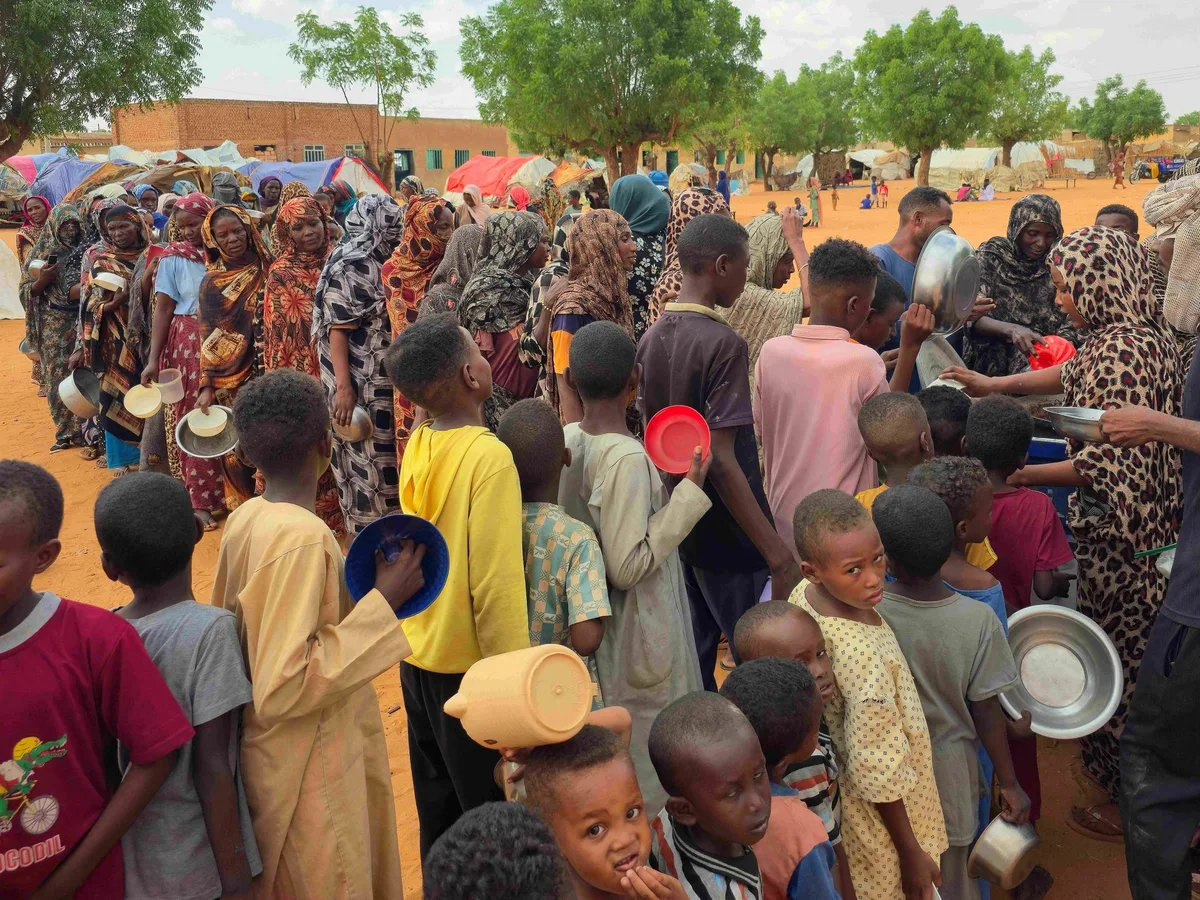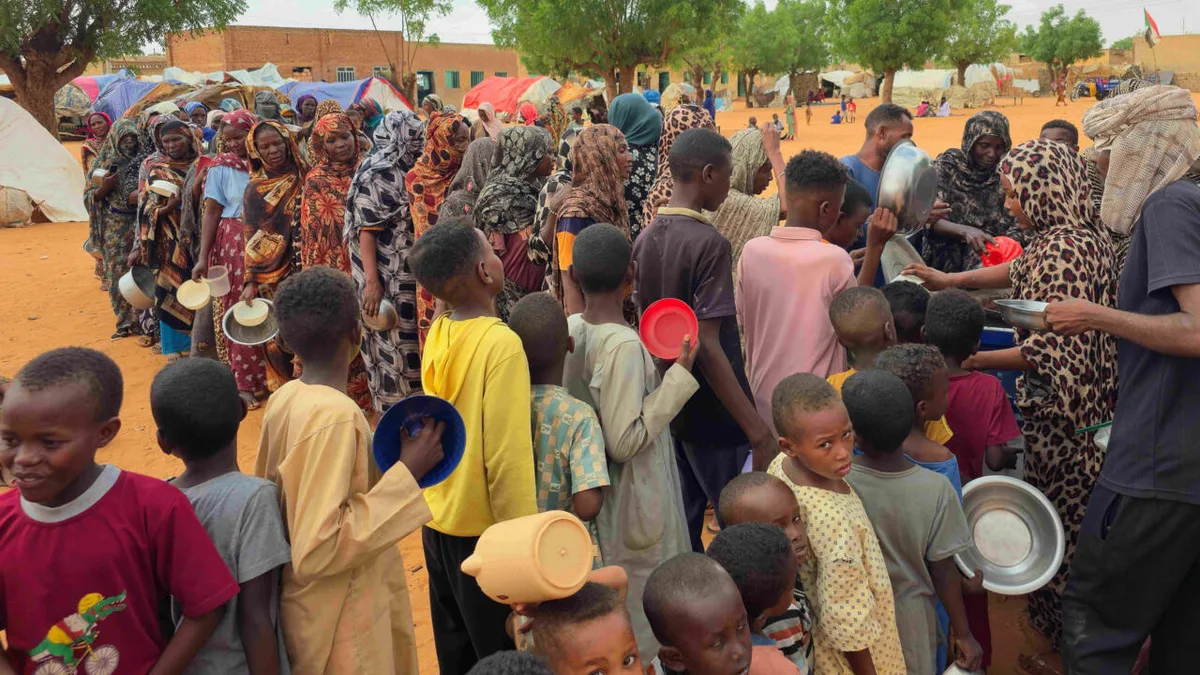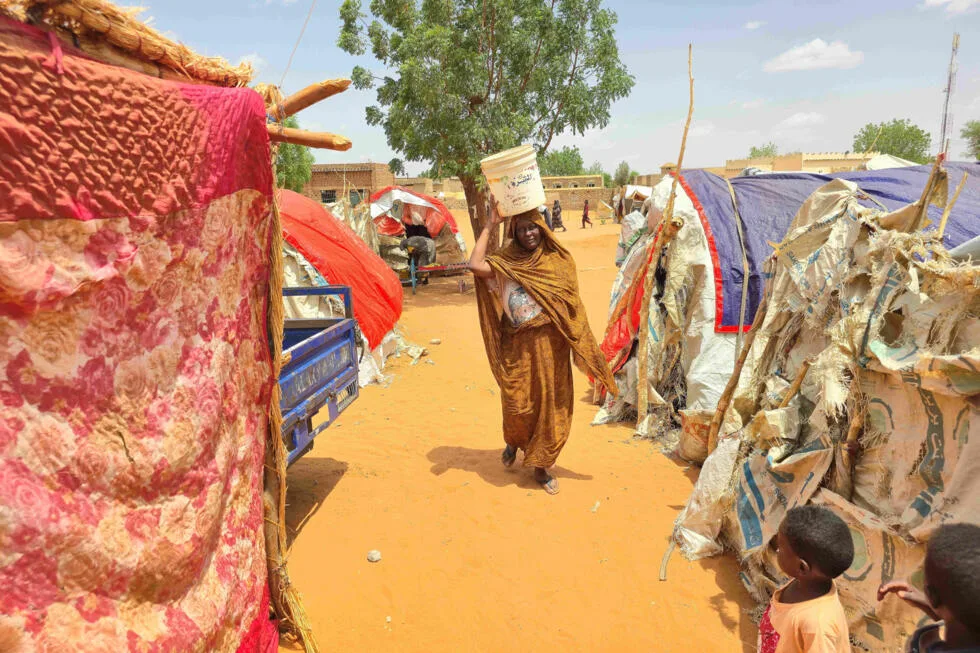
The United Nations human rights chief Volker Turk declared that a human rights catastrophe is unfolding in El-Obeid, the capital of North Kordofan state in Sudan. He said civilians have endured siege-like conditions for 18 months with critical shortages of clean water caused by ongoing conflict between the Sudanese Armed Forces and the paramilitary Rapid Support Forces (RSF) around the city [1, 2, 3, 4, 5].
Between June 6 and June 28, 2026, at least 15 drone strikes hit El-Obeid and its environs, killing 45 civilians and injuring 41. These strikes targeted civilian infrastructure including the main power station, fuel depots, markets, schools, water systems, and civilian vehicles, causing blackouts and worsening fuel shortages [1, 2, 3, 4, 5].
El-Obeid is a strategic hub connecting RSF-controlled western Darfur with army-held eastern regions. It is home to about 500,000 people, including nearly 100,000 refugees displaced by the wider civil war. The UN has documented widespread abuses in Kordofan, including summary executions, abductions, torture, sexual violence, and looting during displacement [2, 3, 4, 5].
Turk described the situation as urgent, saying, "The signs from El-Obeid are clear and unmistakable: Another human rights catastrophe is unfolding in Sudan... Civilians have been subjected to siege-like conditions for 18 months, battered by relentless drone strikes as the Sudanese Armed Forces and the Rapid Support Forces battle for control over areas surrounding the city." He added, "This is not a drill. It is a red alert that needs to land on the desks of heads of state and government around the world" [2].
The war in Sudan began in April 2023 between the army and RSF. After a prolonged siege of El-Obeid, the Sudanese army broke the siege in February 2025. In recent weeks, the RSF intensified attacks on the city, including strikes that damaged key civilian infrastructure [2, 3, 4, 5].
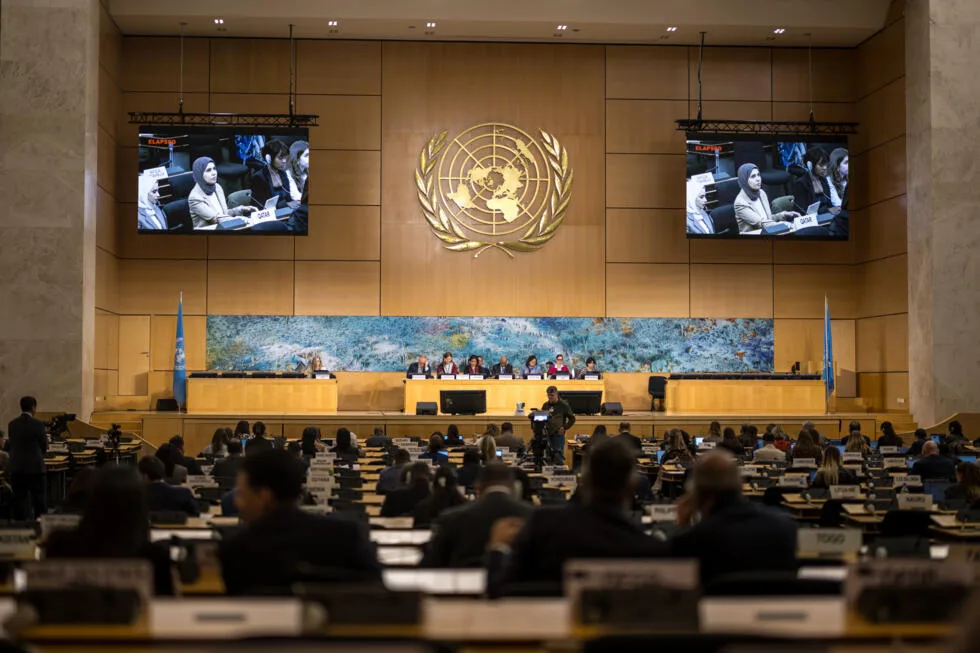
On July 3, 2026, the UN Human Rights Council held an urgent debate on the crisis in El-Obeid, prompted by the UK and several countries [1, 2, 3, 4, 5]. Turk urged all leaders to use their influence to pressure all parties, especially the RSF, to stop any offensive on El-Obeid [5].
The conflict continues to threaten the safety of civilians and access to essential services as fighting persists around El-Obeid.