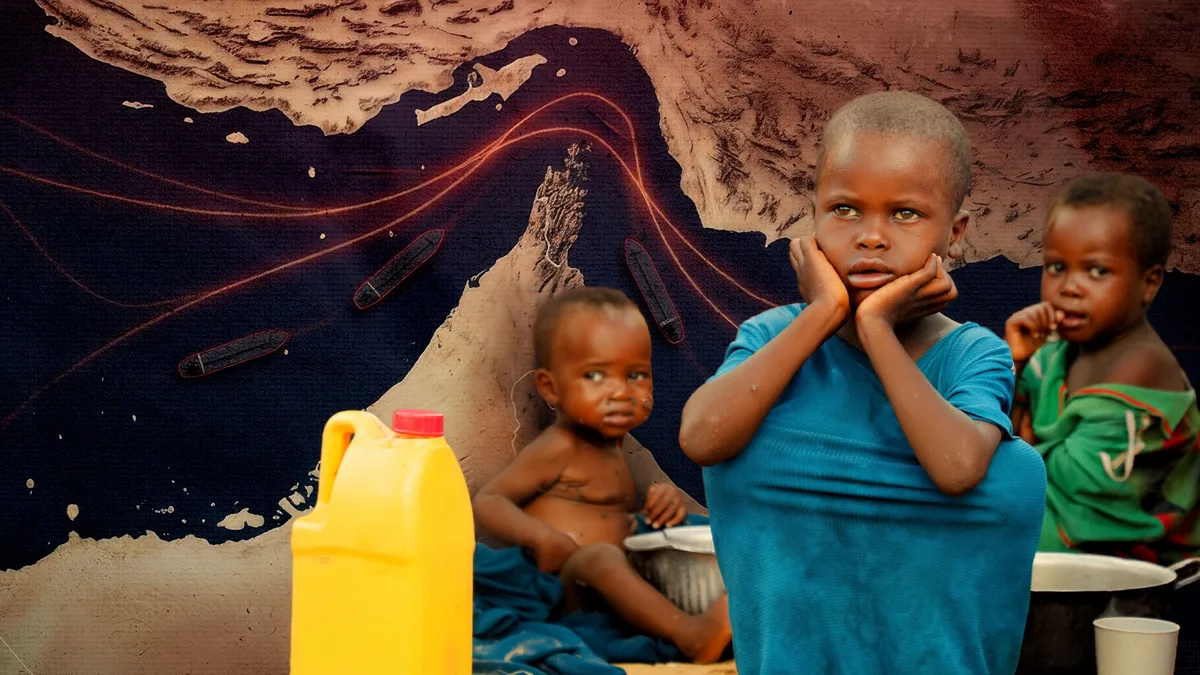
The United Nations warned on May 14 that disruptions in the Strait of Hormuz could severely affect global food and fertiliser supplies within weeks, risking a mass starvation crisis [1]. The conflict, now in its eleventh week, involves a prolonged war with Iran, causing significant vessel congestion in the Strait of Hormuz, a key shipping route for petrochemicals, fertilisers, and refined products [2].
Food prices have reached a three-year high, and fertiliser costs have sharply increased, further tightening global food availability [1]. Aid agencies and the World Food Programme caution that if disruptions continue, tens of millions more people could be pushed into acute hunger, especially in vulnerable and least developed countries [1, 2]. Sabine Minninger, senior policy advisor at Bread for the World, said, "If this war goes on and if the Strait of Hormuz remains closed, it will have a tremendous impact on food security, especially in the poorest countries, such as those in Africa. We are very concerned that a hunger crisis is on the way" [2].
Higher energy prices from the conflict are increasing costs for fertilisers, agrochemicals, and transportation, worsening hunger in the poorest regions [2]. Many least developed and low-income countries, particularly in Africa, heavily depend on oil and energy imports, which are now threatened by the strain on supply chains [2].
Additional risks stem from climate shocks, export restrictions, and fragile food systems that compound the impact of rising energy and fertiliser prices [2]. The crisis highlights the vulnerability of global food security to fossil fuel dependence and underscores the pressing need to accelerate renewable energy transitions [2].
Developed countries have pledged but so far fallen short on climate finance to help vulnerable nations adapt and reduce emissions. The target for this financing has increased from $100 billion annually to $300 billion annually by 2035 to better support these efforts [2].
The UN’s warning on May 14 follows the escalation of the conflict in its eleventh week, signalling a critical moment for global food security should shipping disruptions persist [1, 2].