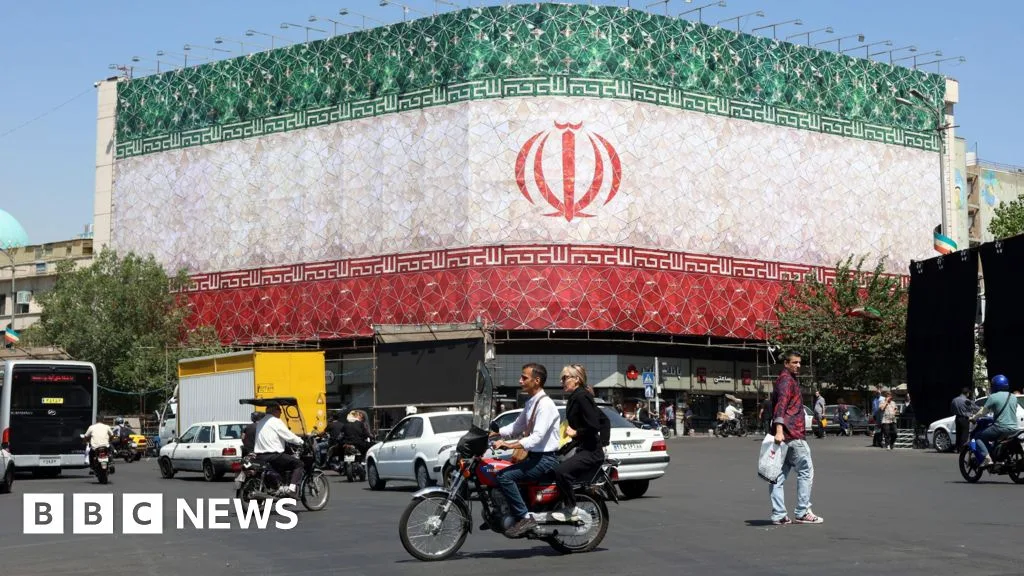
The United States and Iran have signed a Memorandum of Understanding to end military operations on all fronts, including Lebanon, Pakistan's Prime Minister Shehbaz Sharif announced on June 15, 2026. Sharif said the agreement called for the "immediate and permanent termination of military operations on all fronts, including in Lebanon" [1, 2].
The deal also requires easing tensions in the Gulf, including lifting Iran’s closure of the Strait of Hormuz and the US blockade of Iranian ports [1]. Pakistani mediation played a central role in brokering the agreement, with Sharif being the first to announce the ceasefire [1, 2].
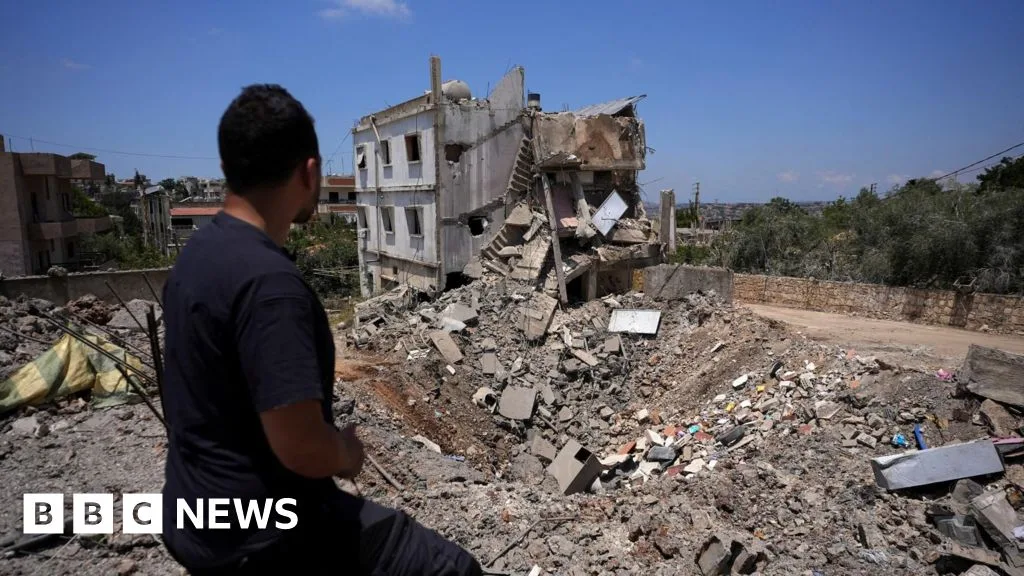
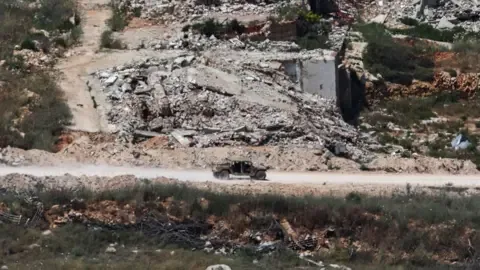
After months of fighting that intensified in March 2026, more than 1.2 million Lebanese people were displaced and thousands killed. The war in southern Lebanon escalated after Hezbollah launched rockets into Israel in March following the killing of Iran’s supreme leader. Israeli forces then intensified their offensive starting March 2 [3, 2]. The conflict has caused at least 3,783 deaths and 11,699 wounded in Lebanon [2].
Despite the ceasefire announcement, Israeli strikes near southern Beirut have continued, leading to doubts about the durability of peace in the region [1, 3, 2]. Israeli Prime Minister Benjamin Netanyahu has shown no indication of ending Israel's offensive against Hezbollah despite the deal [1, 3].
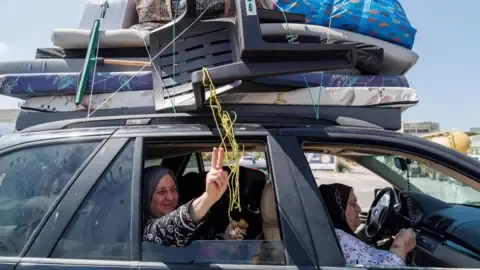
Lebanese civilians displaced by the conflict have started cautiously returning to southern Lebanon, though security remains fragile. Residents expressed mixed feelings; Abo Ali said, "All of this can be compensated for, and rebuilt," while Moustafa warned, "Israel can't be trusted." Another displaced resident, Ali Saleh, said he would not return home due to his house being hit and financial difficulties [3, 2, 4].
The specifics of the US-Iran ceasefire agreement have not been made public, and questions remain about how it will prevent Iran’s nuclear weapons development [1, 3]. Nonetheless, President Donald Trump described the deal as a "Great Deal" that will bring "Peace and Security to the whole Region" [1].
The ceasefire came after days of near failure, as Israeli strikes close to Beirut threatened to derail negotiations [1, 3]. Pakistan’s mediation was instrumental in securing the agreement.
The situation remains tense as Lebanese civilians return amid ongoing Israeli military actions. The key next moment will be whether Israeli forces halt their strikes and adhere to the ceasefire, determining if lasting peace can be maintained in Lebanon.