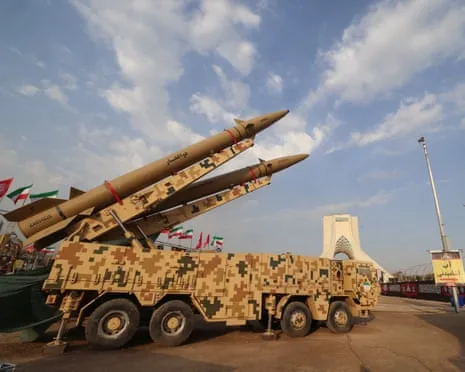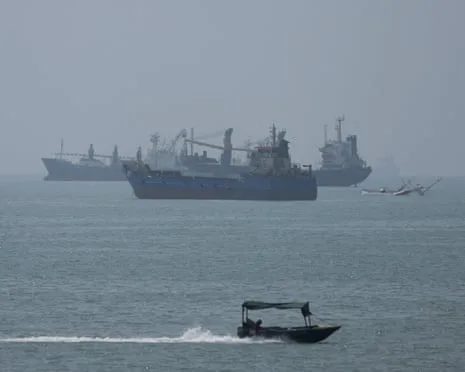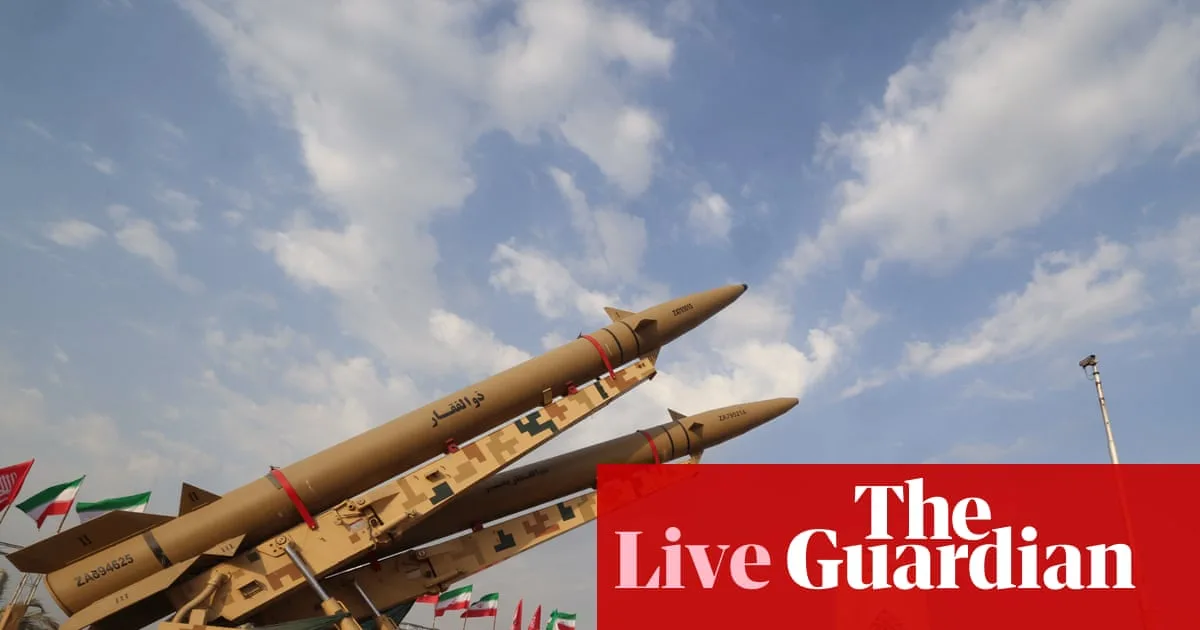
The United States carried out airstrikes on August 30-31 against Iranian rocket launchers on Larak Island in the Strait of Hormuz, citing preparations by Iran to deploy naval mines threatening commercial shipping [1, 2, 3]. The US Central Command said the strikes were "limited, precise action against IRGC minelaying forces posing an imminent threat" in the strategic waterway [3].
In response, Iran's Islamic Revolutionary Guard Corps fired ballistic missiles at US military bases in Jordan, causing significant damage despite some missiles being intercepted [1, 2, 3]. Iran also targeted US personnel in a base in the United Arab Emirates using drones, with the UAE intercepting at least one drone [1, 2, 3].
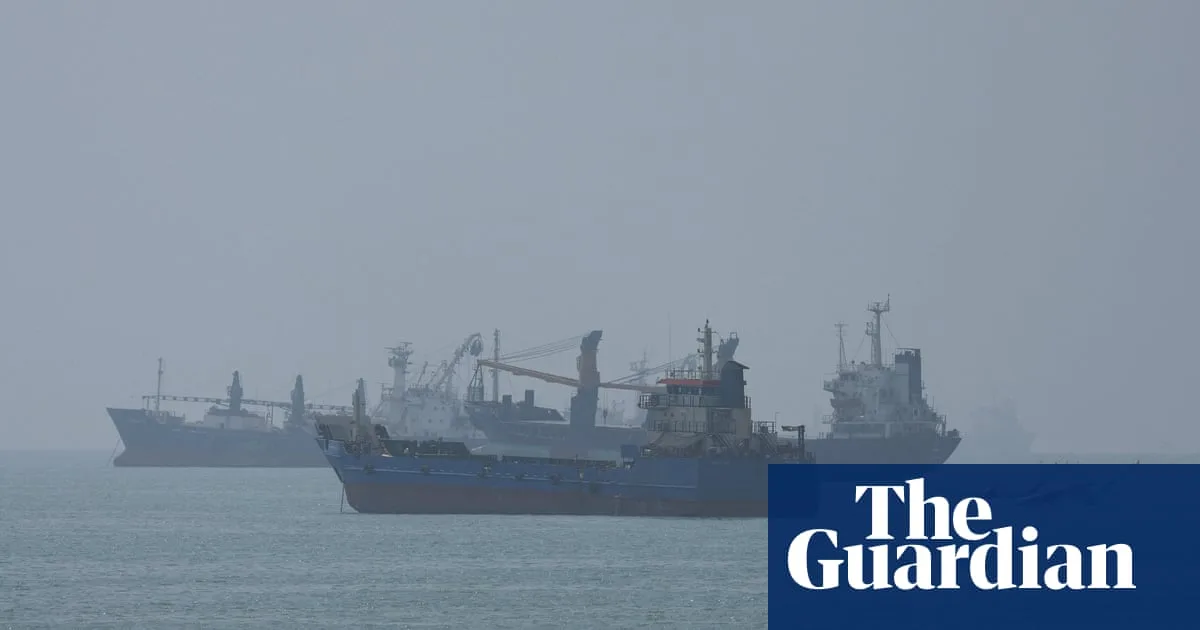
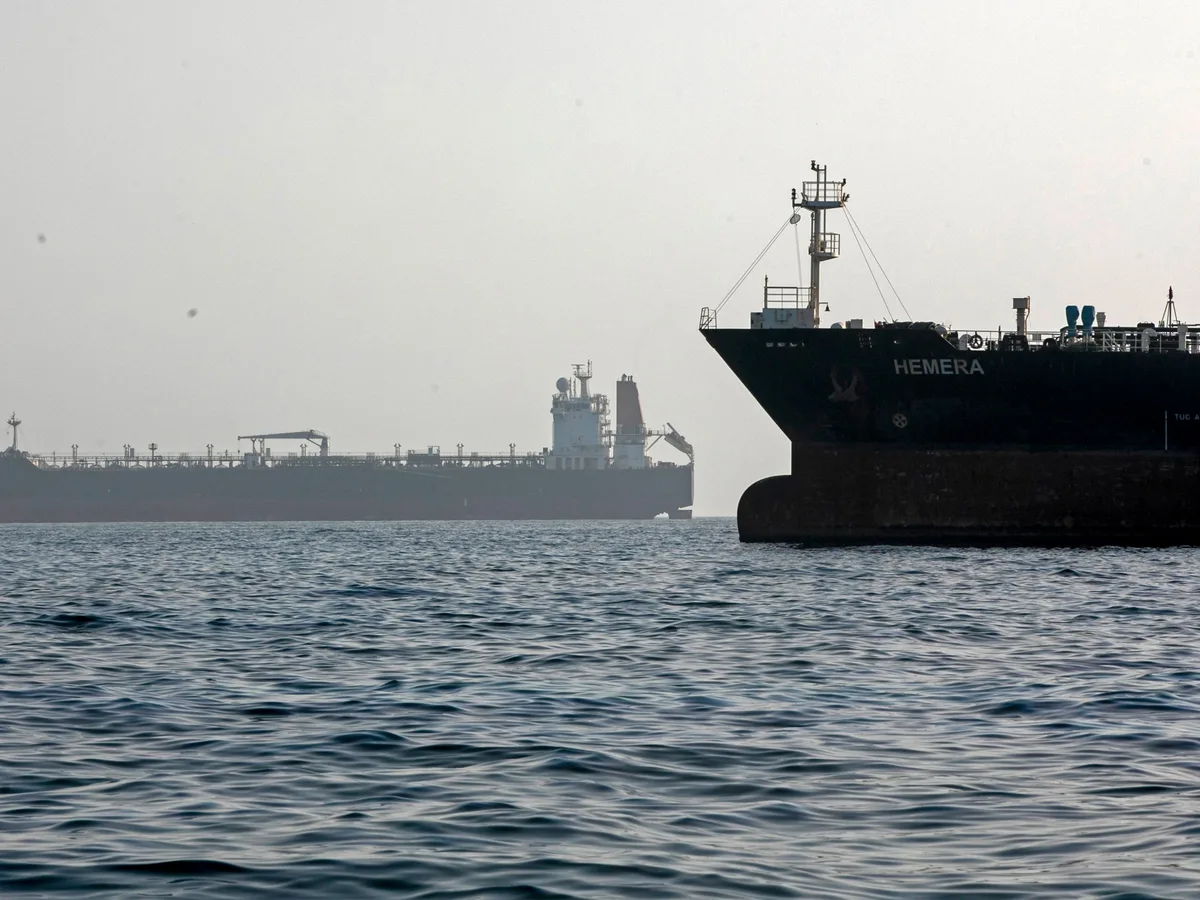
A supertanker was immobilized and caught fire on August 31 after hitting two naval mines in the southern Strait of Hormuz. Iran characterized the tanker’s passage as illegal and warned other ships violating its rules would face similar attacks [1, 2, 3]. Iran has also added more vessels to a restricted list for the strait, threatening fines and detentions [4].
US President Donald Trump vowed further military action on Iran, saying, "We're going to hit them hard. There will be a response," and claimed that Iran’s oil hub Kharg Island was "being blown to smithereens". Iran denied any attacks on Kharg Island and said oil operations continued normally, disputing US claims [1, 2, 5, 6].
Iranian President Masoud Pezeshkian stated, "Iran is not looking for war, but would never sit still in the face of any aggression," while the IRGC warned the US it made a "strategic and fatal mistake" with consequences in both economic and military arenas [3]. Iran’s Supreme Leader Ayatollah Mojtaba Khamenei called the US and Israel enemies and urged Muslim rulers to confront them [1]. Israel took precautionary measures by evacuating Prime Minister Netanyahu’s son from the US following a significant threat [1].
The conflict disrupted shipping traffic through the Strait of Hormuz, a critical route handling about 20% of the world’s seaborne oil. The incidents triggered a sharp rise in oil prices, with Brent crude jumping from $90.49 per barrel on August 31 to $95.63 per barrel on September 2 [5, 6, 7, 8, 4]. The US Strategic Petroleum Reserve declined by 3.1 million barrels to 286.6 million barrels amid supply concerns [6, 7].
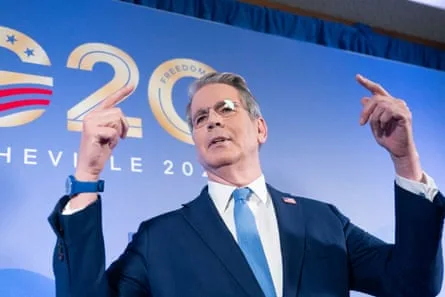
US Treasury Secretary Scott Bessent said the US would intensify economic isolation efforts against Iran by imposing new sanctions on its allies, aiming to create conditions for negotiations [6, 7]. The military exchanges and economic moves have escalated tensions across the region.
Oil prices settled 1% higher on September 2 as Iran announced additional shipping restrictions in the Strait of Hormuz, further complicating transit and raising fears of broader supply disruptions [4].