A ceasefire between the United States and Iran came into effect on April 8 and has lasted for over seven weeks, exceeding the duration of the prior active fighting phase [1, 2, 3]. Despite ongoing tensions, both sides describe recent military actions as violations of the ceasefire rather than a return to full-scale war [1, 2, 3].
On May 28, the US Central Command announced strikes targeting an Iranian Islamic Revolutionary Guard Corps (IRGC) "ground control site" in the southern port city of Bandar Abbas [1, 2, 3]. The same day, US forces shot down five Iranian drones near the Strait of Hormuz that posed threats to regional security [2, 3]. Iran’s IRGC claimed it launched a ballistic missile attack on a US air base but did not specify the location; the missile was intercepted over Kuwait [1, 2, 3].
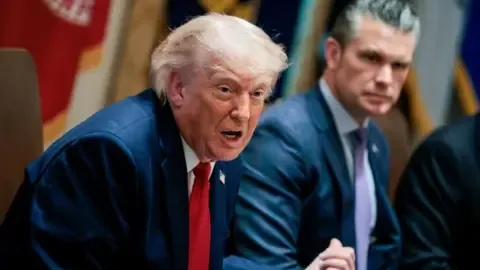
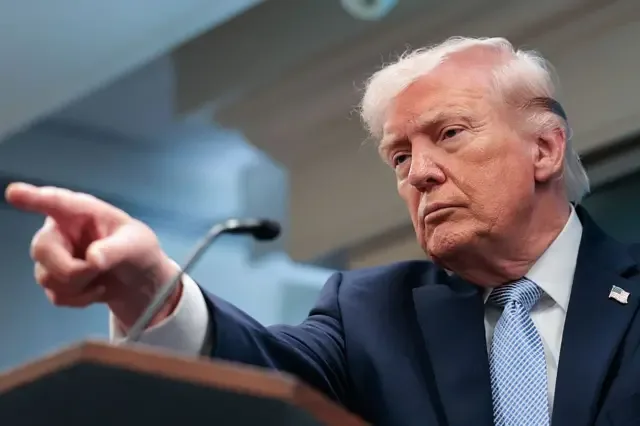
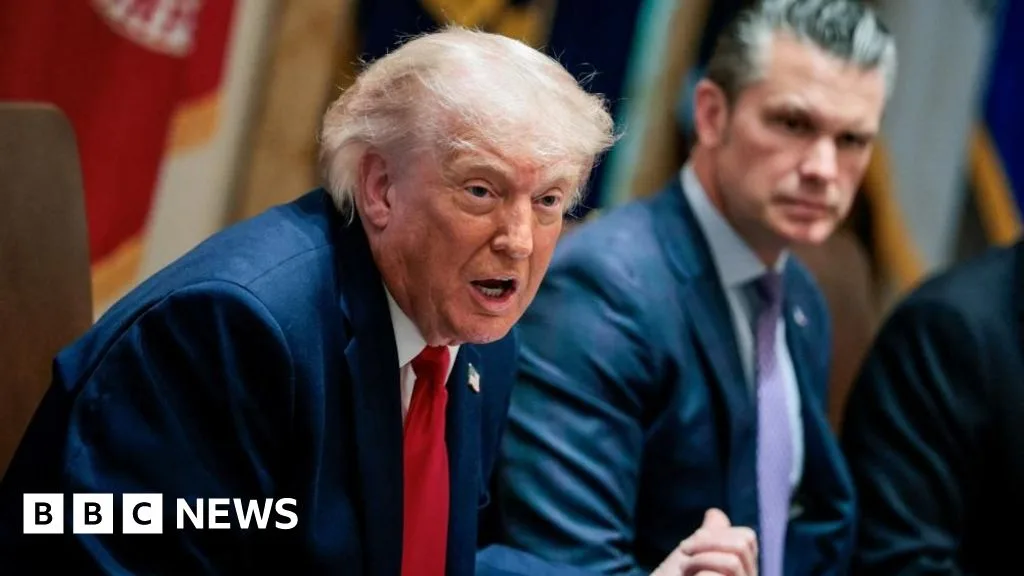
Diplomatic efforts remain ongoing with Pakistani-led mediation addressing core issues including Iran’s nuclear program, management of maritime traffic through the Strait of Hormuz, sanctions relief, and frozen assets [2, 3]. An unofficial draft 14-point memorandum of understanding surfaced on May 26 via Iranian state media, outlining Iranian demands such as lifting the US naval blockade, withdrawing US troops near Iran, and transferring control of the Strait of Hormuz maritime traffic jointly to Iran and Oman [1, 2, 3]. The draft does not mention any Iranian concessions, especially regarding the nuclear issue [1, 2, 3]. The White House called the draft "completely fabricated," with President Donald Trump expressing dissatisfaction and warning Oman it must align with US interests or face military action, stating, "如果他們不肯,那麼我左邊的人就會把他們解決掉" and "阿曼要么會像其他國家一樣行事,要么我們就得把他們炸掉" [2].
On May 26, the US Treasury also imposed sanctions on Iran's newly formed Persian Gulf Strait Administration, accusing it of attempting to monetize IRGC-backed terrorism [2, 3].
US Secretary of State Rubio said negotiations will see whether progress can be reached in the coming hours or days, confirming talks remain active [2, 3]. The tense ceasefire, combined with intermittent military actions and diplomatic efforts, continues to mark US-Iran relations.