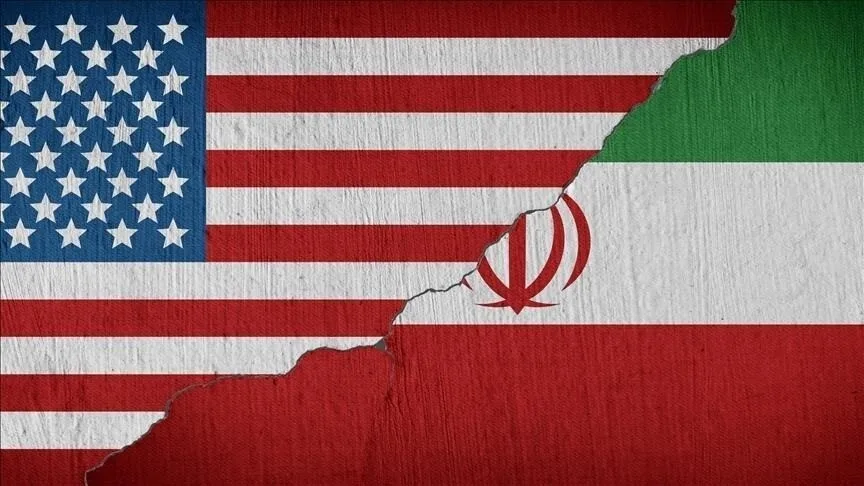
The United States and Iran have agreed on a memorandum of understanding that establishes an immediate and permanent ceasefire across all conflict frontlines, including in Lebanon, and reopens the Strait of Hormuz for free and safe navigation [1, 2, 3, 4, 5, 6, 7].
Pakistan played a key role as mediator in the talks, with Qatar, Türkiye, Saudi Arabia, and Egypt also facilitating negotiations between the two countries [8, 2, 9, 3, 4, 5, 6]. Pakistani Prime Minister Shehbaz Sharif announced the agreement after intensive talks [2, 3, 10, 4, 5, 11, 6, 7].
The UK, France, Germany, and Italy have expressed willingness to support a multilateral defensive mission to secure the Strait of Hormuz, including mine clearance operations [8, 9]. All parties emphasized the need for durable, verifiable peace measures including safeguards to prevent Iran from acquiring nuclear weapons [8, 9, 5].
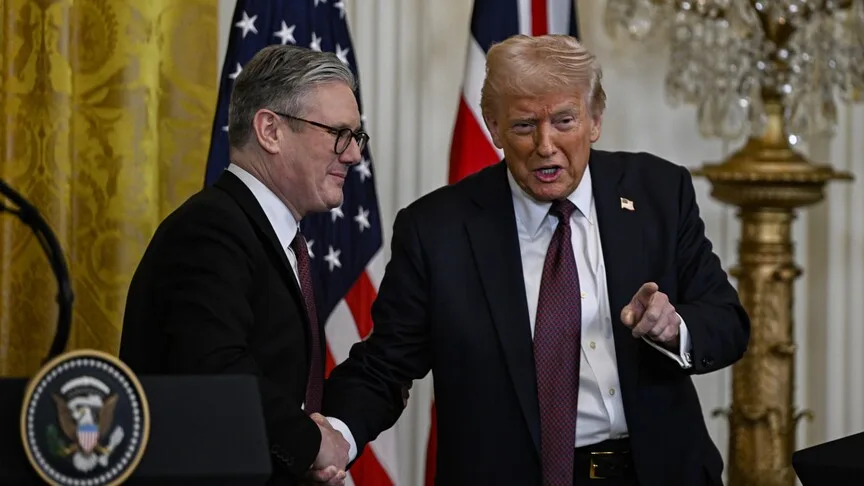
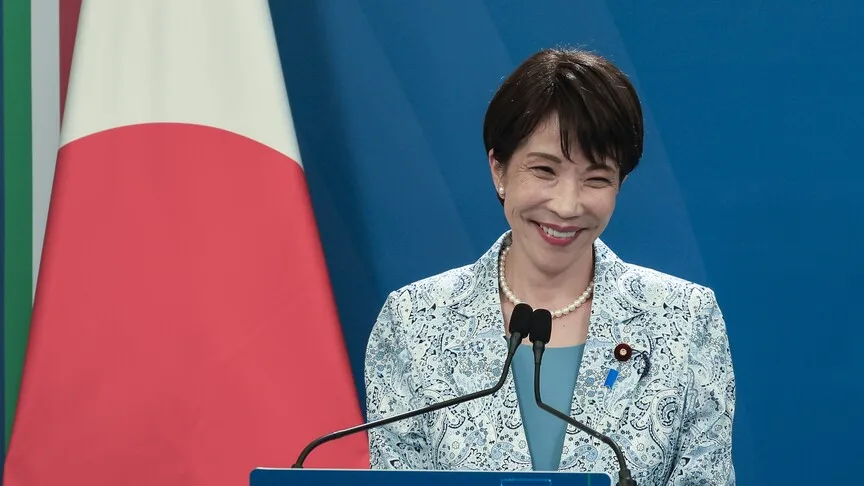
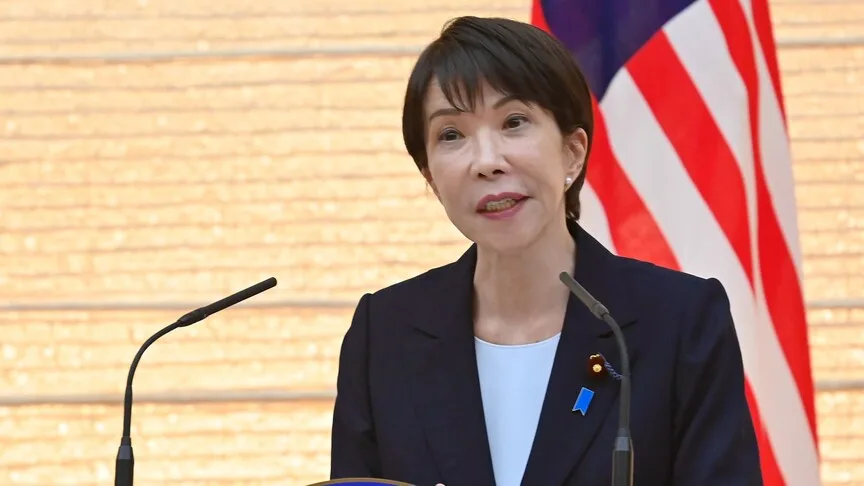
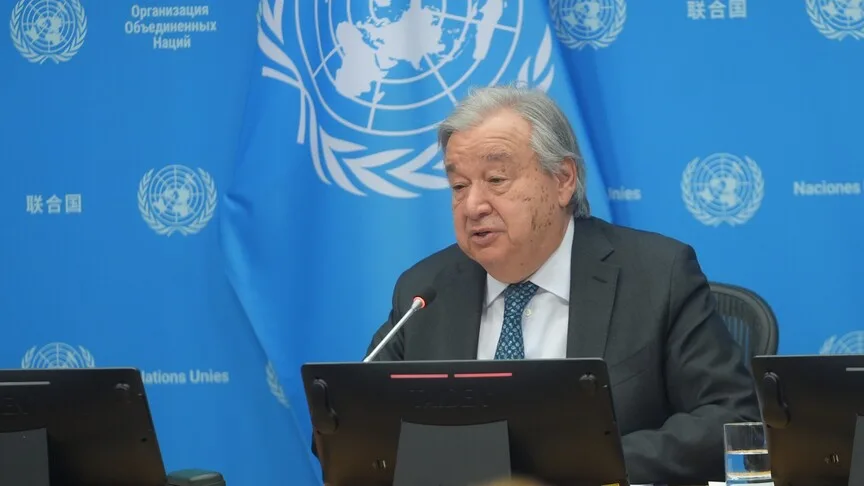
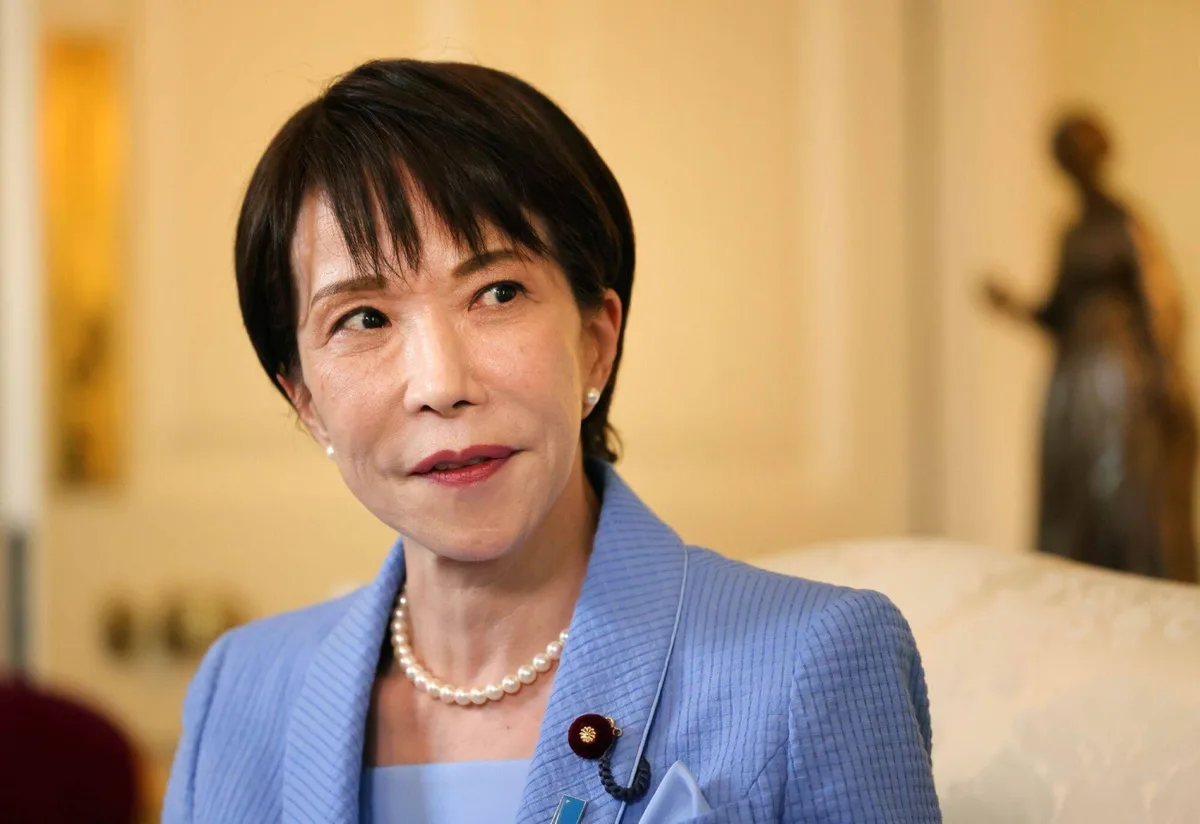
International responses broadly welcomed the agreement as a diplomatic breakthrough. Japanese Prime Minister Sanae Takaichi said she strongly hopes the memorandum will be steadily implemented to secure safe navigation and reach a final agreement on Iran’s nuclear issue [1]. British Prime Minister Keir Starmer called it a "hugely important step forward in ending the war, ensuring regional stability and re-opening the Strait of Hormuz" [8]. UN Secretary-General Antonio Guterres described it as a "critical step towards the peaceful settlement of the conflict" [2]. German Chancellor Friedrich Merz highlighted its potential to "pave the way towards a reinvigorated global economy and a more secure Middle East" [3].
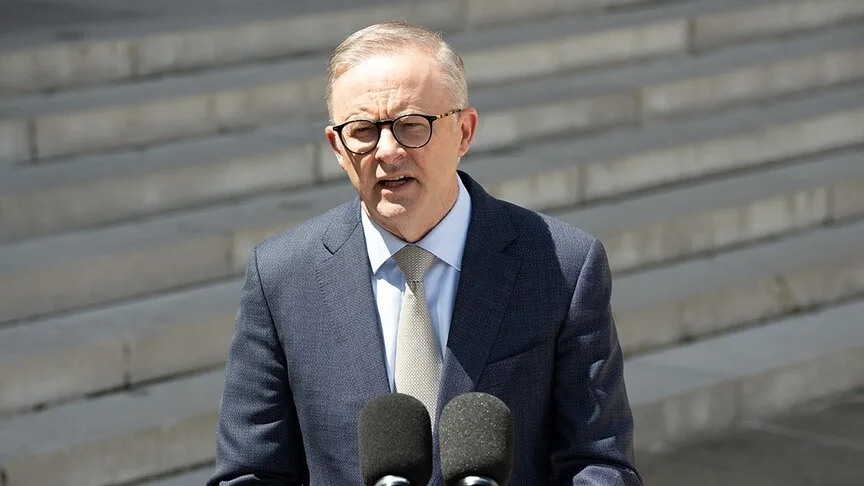
New Zealand Foreign Minister Winston Peters said the deal reduces tensions in a region critical to global economic security [10]. Australian Prime Minister Anthony Albanese urged continued restraint and constructive engagement to secure lasting peace [5]. Spain’s Foreign Minister Manuel Albares stressed that free navigation is essential and underlined the importance of dialogue to guarantee the ceasefire [11]. China's Foreign Ministry commended Pakistan's mediation and hopes the memorandum will be signed as planned with all parties committed to peaceful solutions [7].
Countries including Japan, the UK, France, Germany, Italy, New Zealand, Australia, Spain, Bangladesh, and China have called for rapid implementation of the agreement [1, 8, 2, 9, 3, 10, 4, 5, 11, 6, 7].
The signing ceremony for the memorandum is scheduled for June 19, 2026, in Switzerland [7].