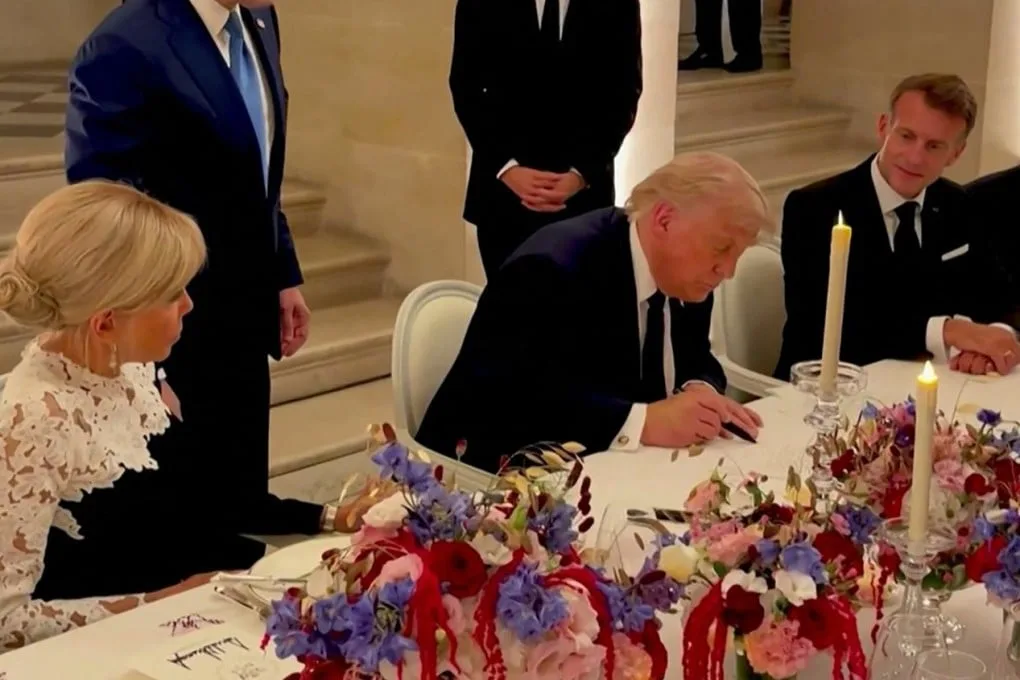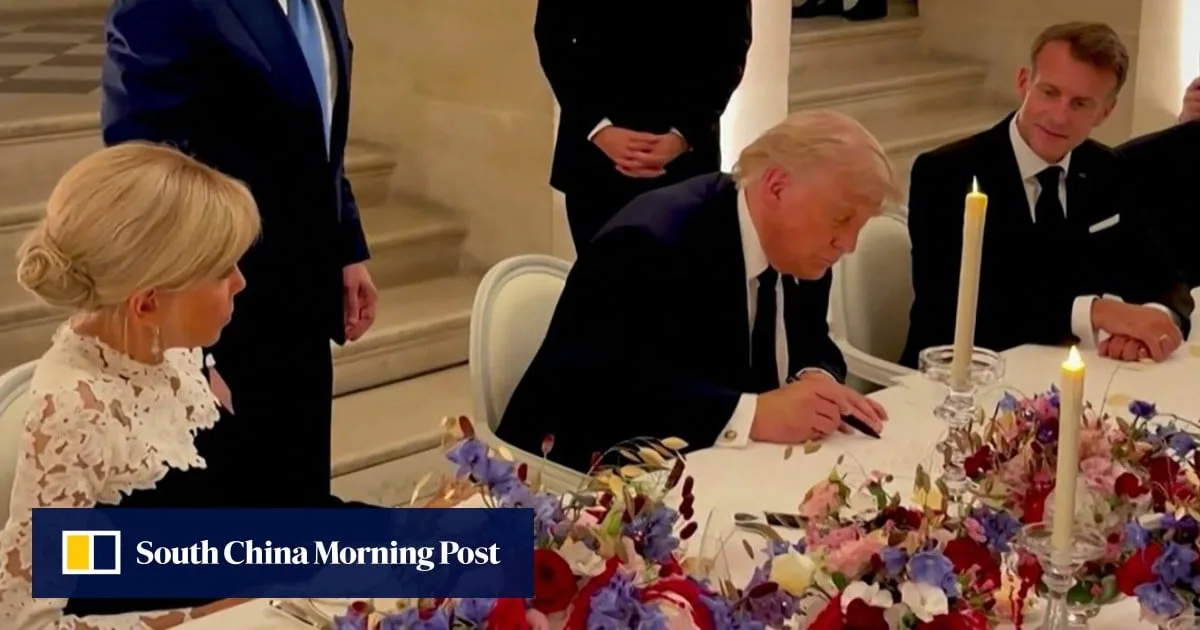
US President Donald Trump and Iranian President Masoud Pezeshkian signed a memorandum of understanding (MOU) aimed at developing a permanent peace deal to end months of conflict on June 18 at the Palace of Versailles, with French President Emmanuel Macron present [1, 2, 3].
The MOU sets a 60-day negotiation window to reach a final settlement on key issues, including Iran's nuclear program and frozen assets [4, 2]. Iranian media reports indicate $24 billion in frozen Iranian assets may be released during this period, but the US has not confirmed the release [4].
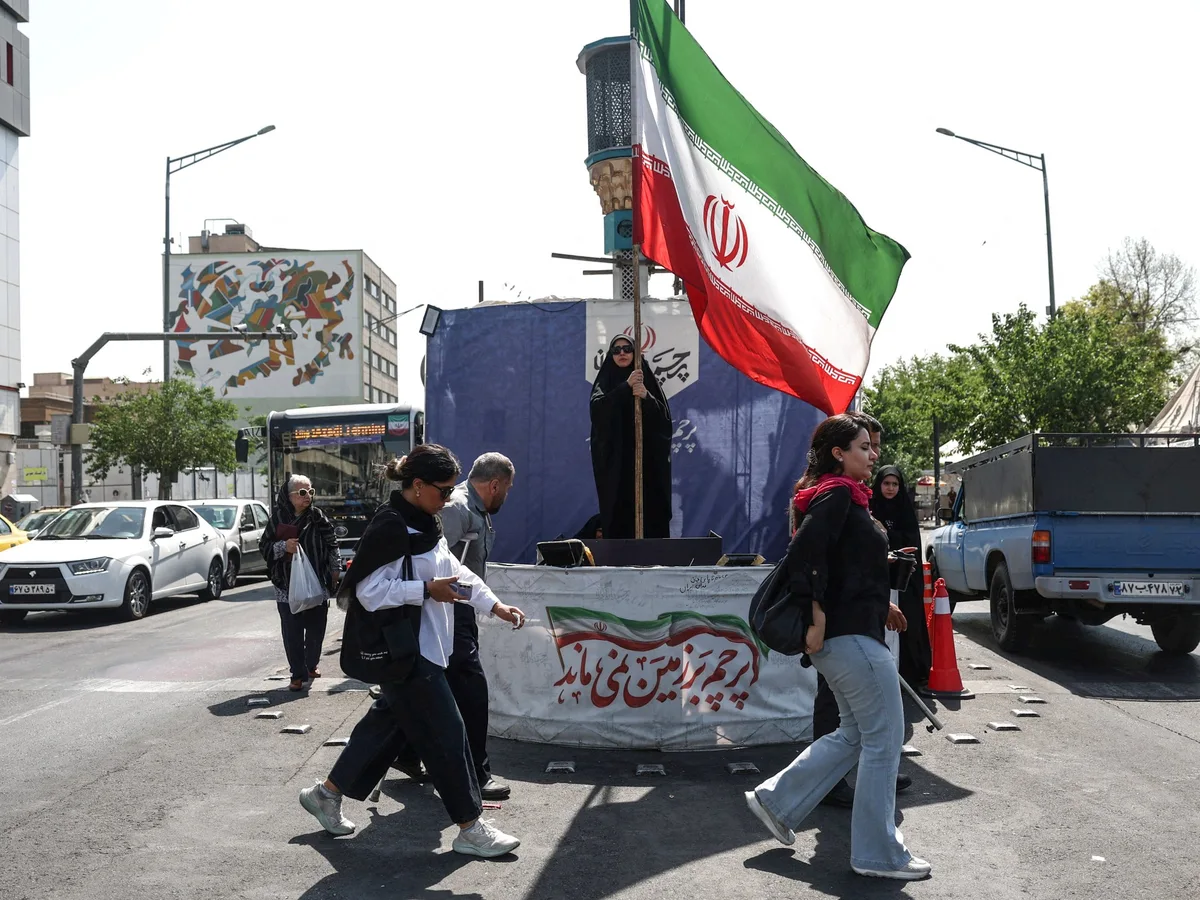
The Strait of Hormuz, previously effectively blocked by Iran, is to be reopened immediately. The US states the strait will be toll-free, but Iran insists on retaining some management role, creating a point of disagreement [1, 2, 3]. The Strait is vital as roughly 20% of the world’s oil passes through it [2].
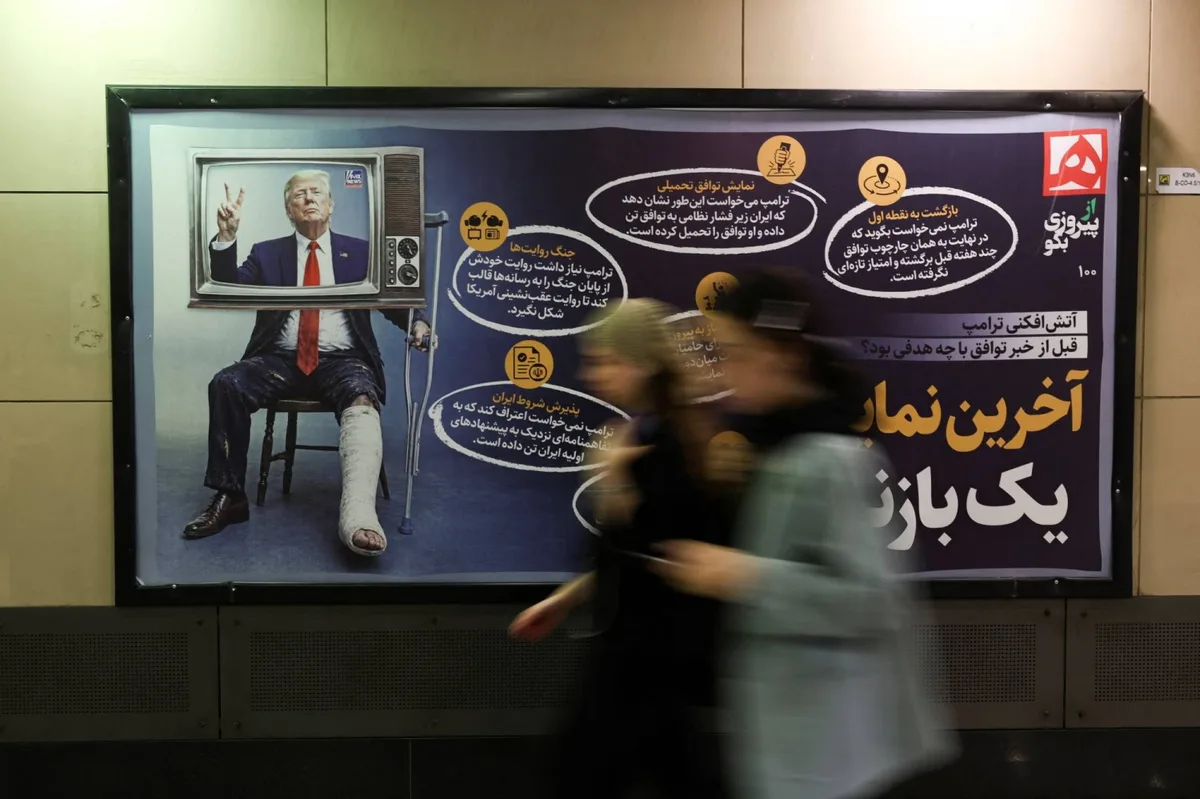
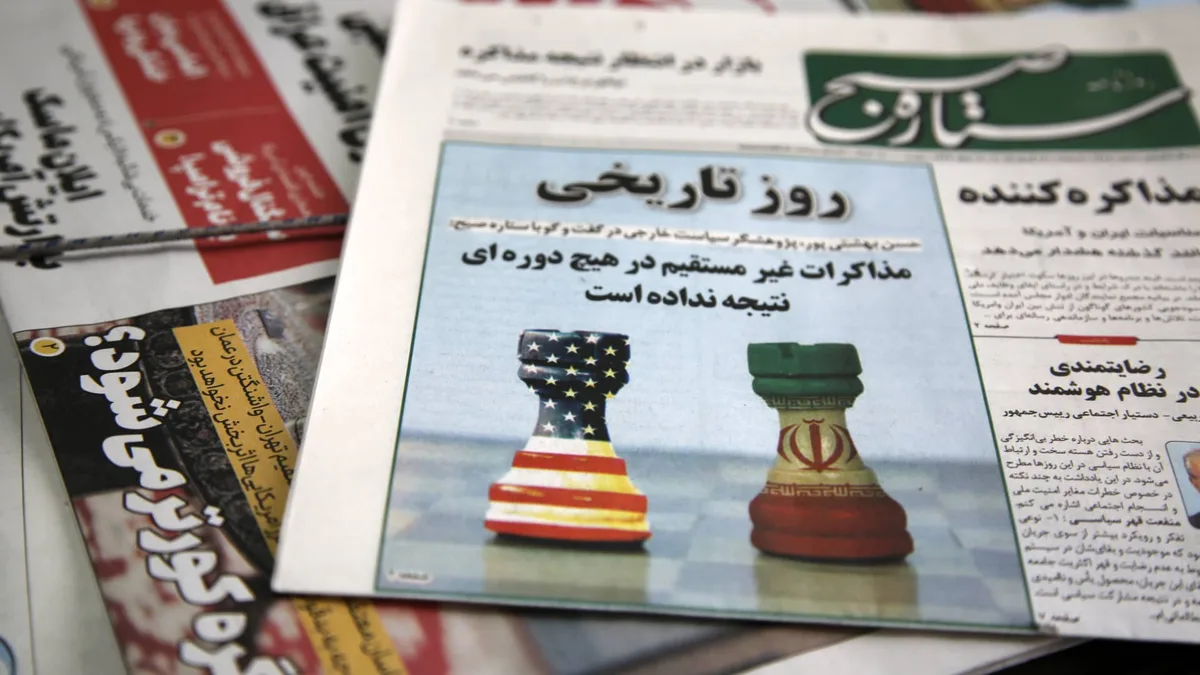
The deal excludes Iran's missile program and support for proxy groups from current negotiations [4]. Analysts caution that substantive negotiations on the nuclear issue have yet to begin. Maneli Mirkhan, a strategic adviser, said, “Nothing substantive has been negotiated yet on the nuclear programme. The memorandum is a framework for opening negotiations, not the result of them” [4].
Following the signing, US and Iranian negotiators planned technical talks in Switzerland to start detailed discussions, but these were canceled due to unresolved logistical hurdles. US Vice President JD Vance also canceled his trip amid these complications [2, 3]. The US says it is prepared to depart for talks at the first opportunity [3].
Experts warn of ongoing challenges. Adel Abdel Ghafar, senior fellow, noted, “Several sticky points still need to be resolved, such as Israel's campaign in Lebanon. Otherwise, there is a scenario we potentially may go back to a conflict, although both sides at this stage want to avoid that” [3]. David Roche, a strategist, added, “Beyond that, this is a really bad deal. Iran is going to make the Middle East very unstable, that's bad in the long run” [3].
The breakthrough follows over 100 days of war that began on February 28. The agreement now sets in motion a delicate process to end hostilities and address nuclear questions under the 60-day timeline [4, 2].