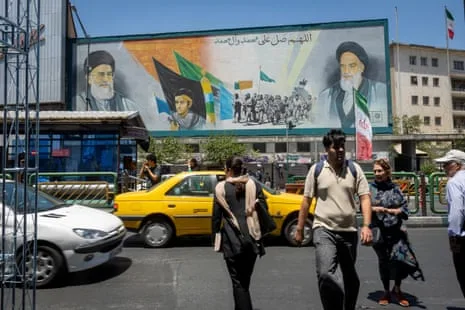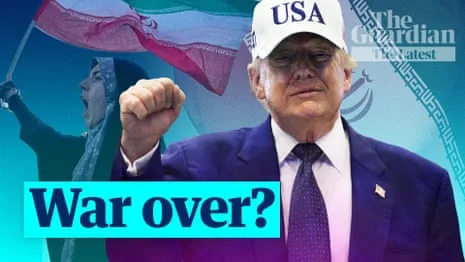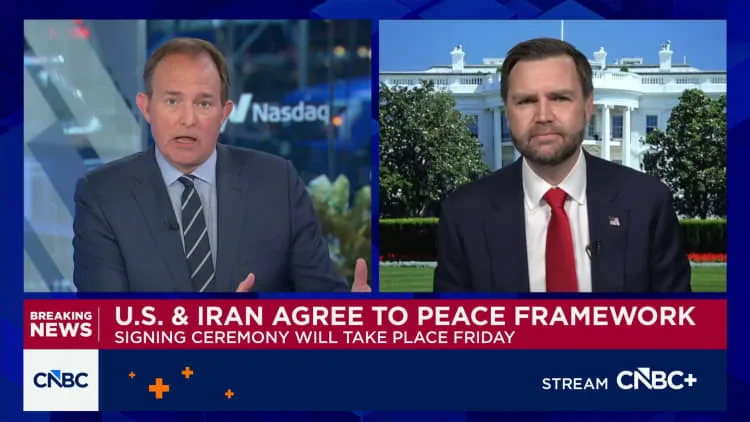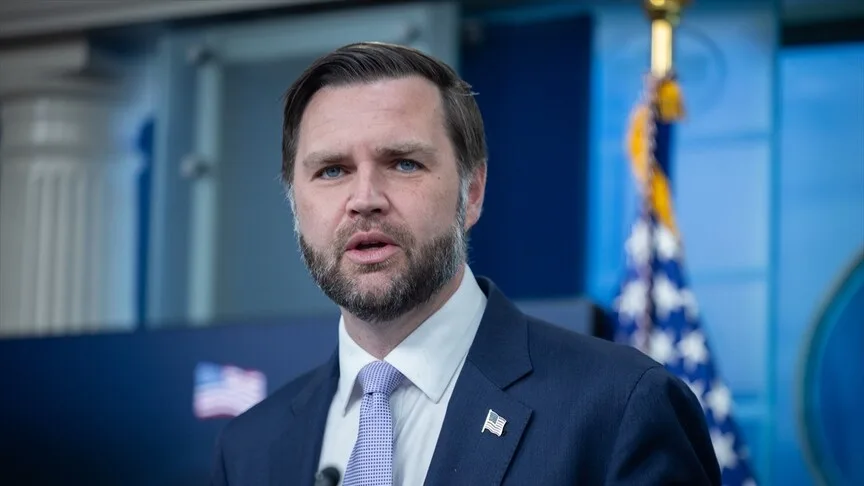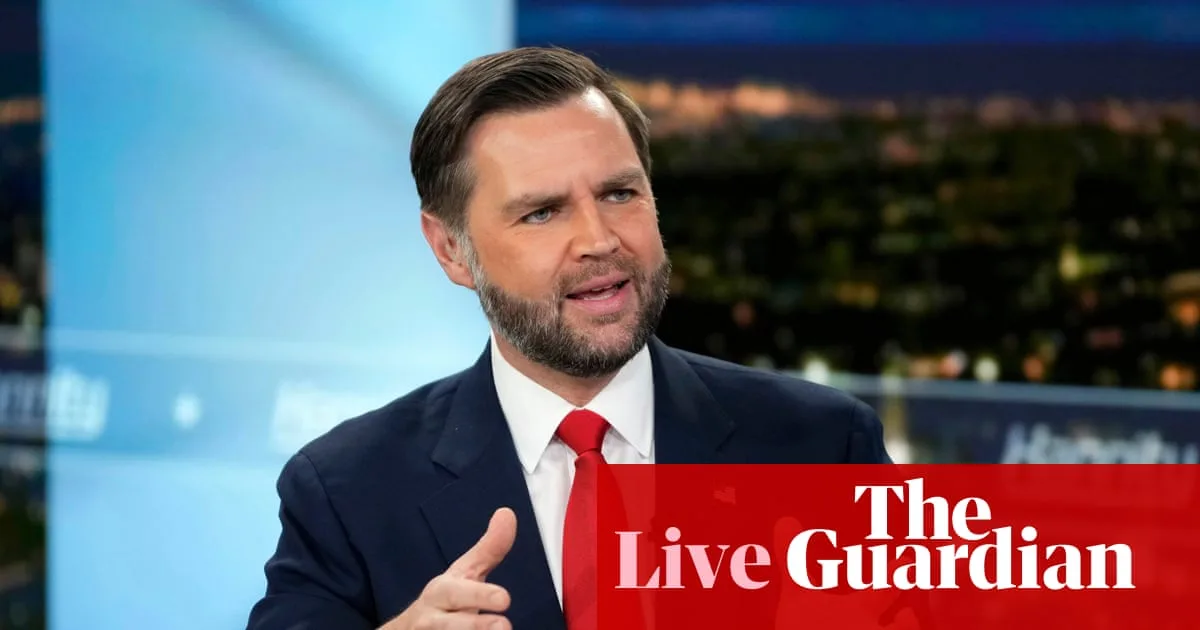
The United States and Iran signed a preliminary memorandum of understanding (MoU) that extends their current ceasefire for 60 days and outlines a framework for talks on Iran’s nuclear program and the reopening of the Strait of Hormuz without tolls for the long term [1, 2, 3, 4].
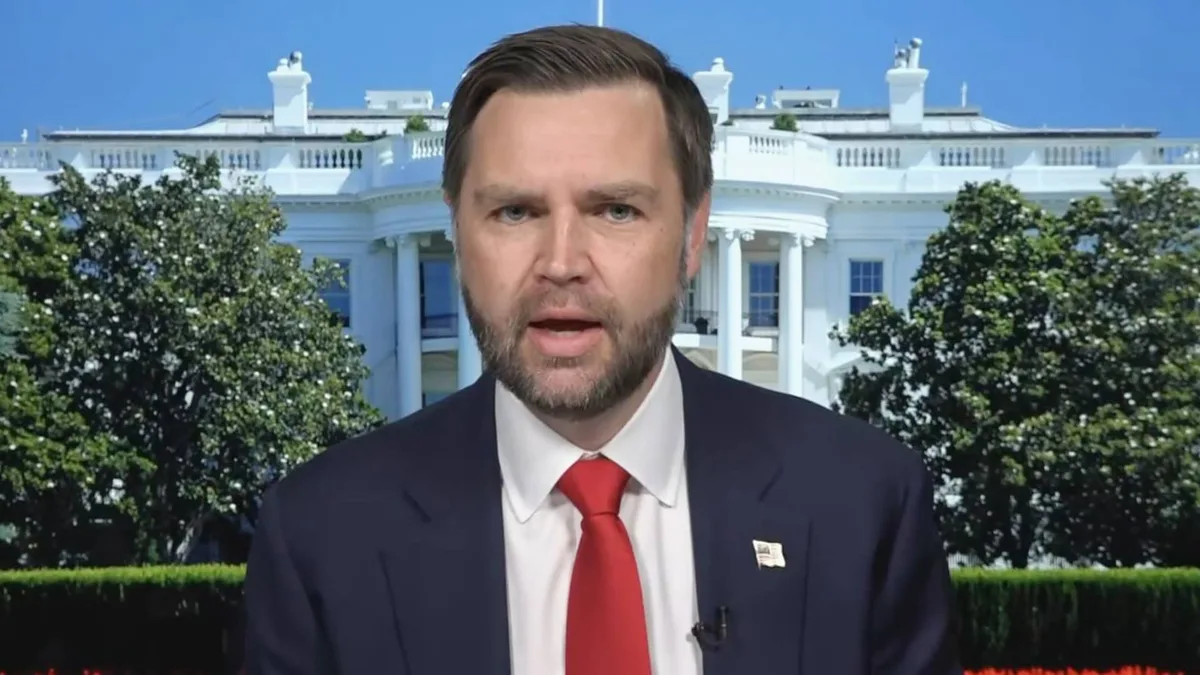
The MoU spans about one and a half pages and is described by US Vice President JD Vance as "a very general document" with many technical details yet to be negotiated over the 60-day period [1, 4]. Vance said, "We fundamentally have all the cards here. We don't have to give the Iranians anything if they don't make the commitments that we want long term on the nuclear program" [3]. He expressed confidence in the talks, stating, "We feel quite confident that we're in a strong position" [2].
The agreement’s two main pillars are reopening the Strait of Hormuz toll-free and obtaining a verifiable commitment from Iran never to develop nuclear weapons [1, 2]. The MoU sets out two paths for Iran: either remain under strict sanctions without nuclear or military rebuilding, or allow inspections and make commitments that would improve regional security [4].
No sanctions relief or release of frozen Iranian assets has occurred yet, and none are promised until Iran meets its obligations. Vance denied reports that $24 billion in frozen Iranian assets would be released upfront, saying the figure does not appear in the text and no funds have been unfrozen so far [1, 4].
Pakistan mediated the talks and announced a signing ceremony for the MoU planned on Friday in Switzerland. Details about the agreement will be released within 24 to 48 hours after the ceremony [4].
JD Vance indicated that the coming technical negotiations will determine specific details and timelines. The 60-day framework period will be critical for advancing the comprehensive deal and verifying Iran’s nuclear commitments [4].
The next scheduled event is the signing ceremony in Switzerland on June 19, which will mark a key milestone in formalizing the peace agreement [4].