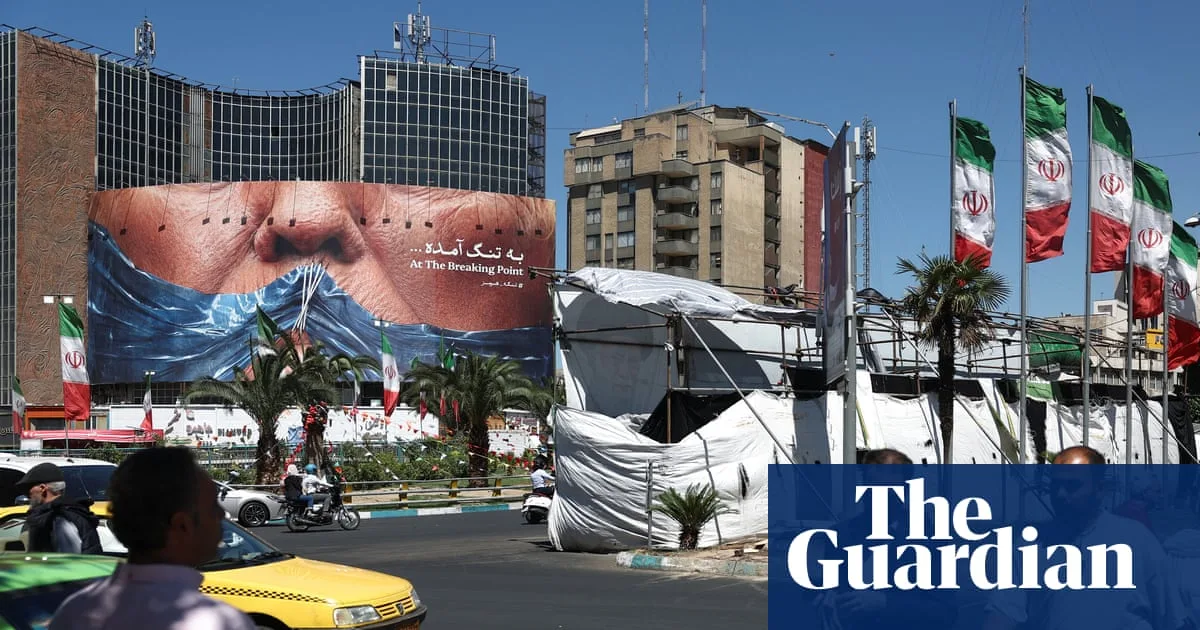
US and Israeli jets attacked multiple Iranian vessels south of Larak Island in the Strait of Hormuz on May 25, killing several Iranian personnel, reported as four by some sources [1, 2, 3]. The strikes came amid a fragile ceasefire that began in early April following months of conflict that started with US and Israeli strikes on February 28 [3, 4, 5].
Alongside the naval strikes, US forces targeted Iranian military sites, including missile launchers and boats laying mines near the Strait of Hormuz during late May [3, 4, 6, 7, 8, 9, 10, 11, 12]. The US military shot down four or five Iranian attack drones attempting to target the Strait and launched counterstrikes on drone control stations near the port city of Bandar Abbas [4, 6, 7, 8, 9, 10, 11, 12]. A US military official stated the strikes were "measured, purely defensive and intended to maintain the ceasefire" [4].
Iran responded on May 28 when its Revolutionary Guard targeted a US airbase in Kuwait, citing retaliation for the strikes near Bandar Abbas [8, 9, 12]. Meanwhile, Israel intensified attacks on Iran-backed Hezbollah in southern Lebanon following Hezbollah drone attacks on Israeli territory [1, 2, 8, 9, 12]. Iran has demanded hostilities against Hezbollah end as part of any peace agreement with the US [1, 2].
US President Donald Trump dismissed reports of a near-deal allowing Iran and Oman to jointly manage the Strait of Hormuz to reopen commercial shipping, saying, "Nobody's going to control (the strait). It’s international waters and Oman will behave just like everybody else or we will have to blow them up" [4, 6, 7, 8, 9, 10, 12]. The draft agreement mentioned in some reports reportedly includes ending the war between Israel and Hezbollah and restoring shipping through the strait within 30 days, but Trump denied such terms [1, 2, 3, 5].
Iran continues negotiating to unlock $12 billion to $24 billion in frozen assets and seek sanctions relief through talks held by negotiator Mohammad Bagher Ghalibaf in Doha, despite condemning US strikes as ceasefire violations [3, 5]. Commander Seyed Majid Moosavi of the IRGC Aerospace Force criticized negotiations, saying, "Negotiation with the enemy is pure loss" [5].
The nearly four-month-old conflict has caused thousands of deaths and contributed to global energy price inflation [1, 4, 8, 12]. The US and Israeli strikes have repeatedly targeted Iranian military capabilities while Iran has responded with its own attacks on allied forces and US bases.
The latest escalation signals rising tensions just weeks after the ceasefire began. The next major diplomatic developments are expected from Iran-US negotiations in Doha and ongoing conflict dynamics in the region.