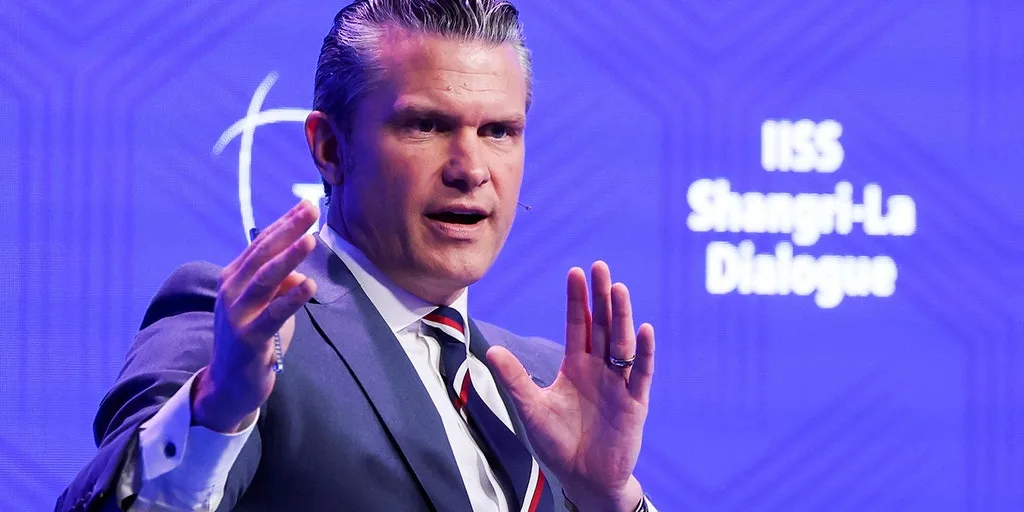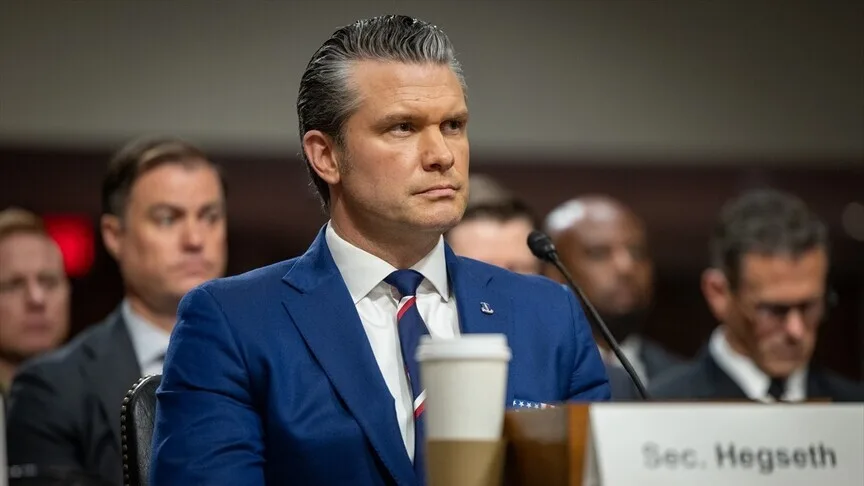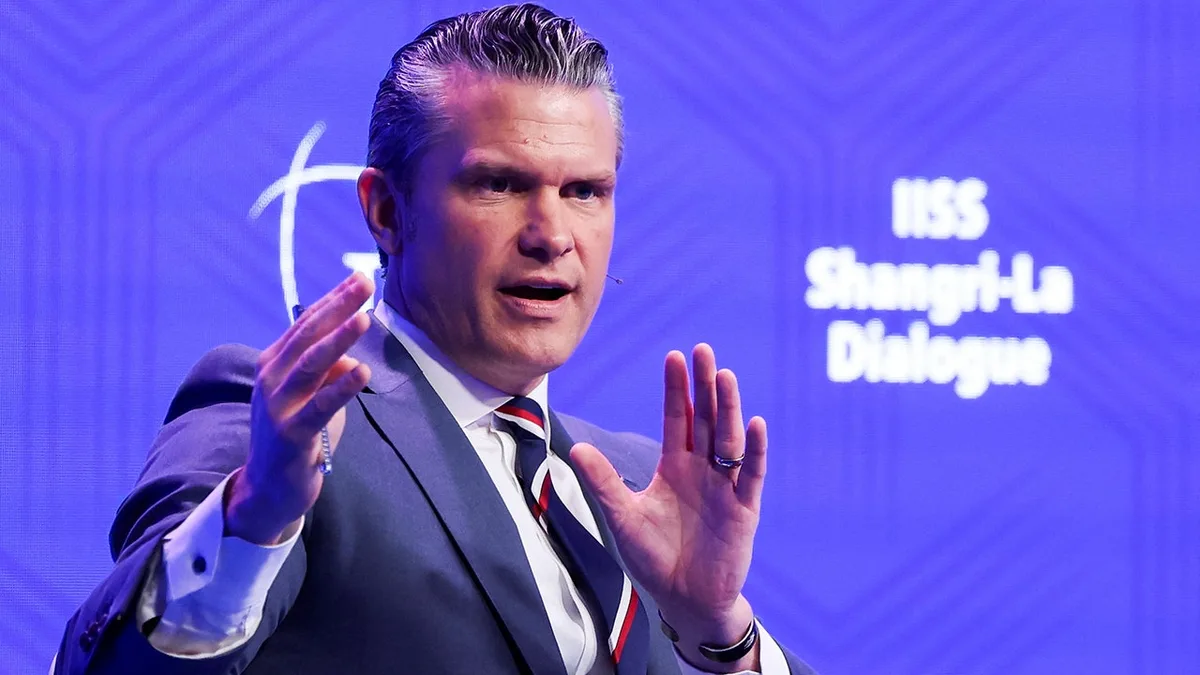
US Defense Secretary Pete Hegseth and the Americas Counter Cartel Coalition (A3C) reaffirmed their support for Bolivia’s President Rodrigo Paz and condemned all efforts to topple his government amid weeks of nationwide protests [1, 2]. Hegseth said, "The United States is watching. Bolivia must not allow itself to fall prey to the old status quo of narco-terrorist dominance in the region," pledging continued backing to deter drug trafficking networks [1].
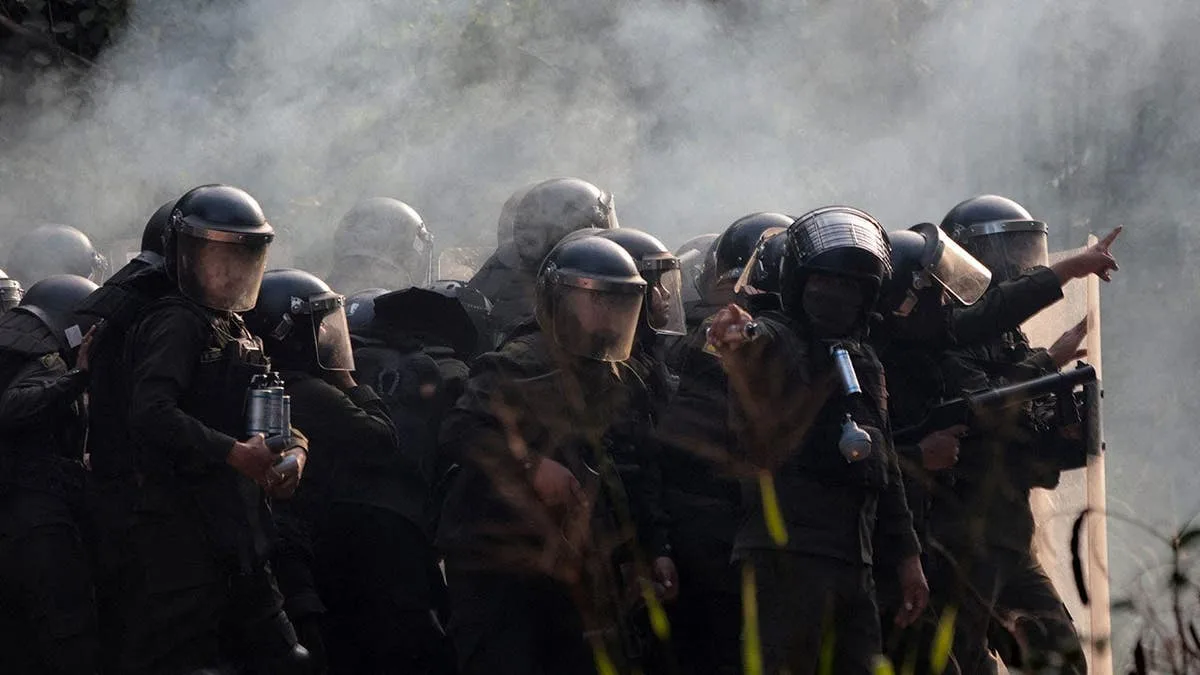
Since early June, Bolivia has faced social unrest involving workers, farmers, miners, transport operators, and teachers demanding urgent economic reforms. The unrest reflects a deepening economic crisis with inflation and a nearly 90% spike in fuel prices following the removal of subsidies [1, 2].
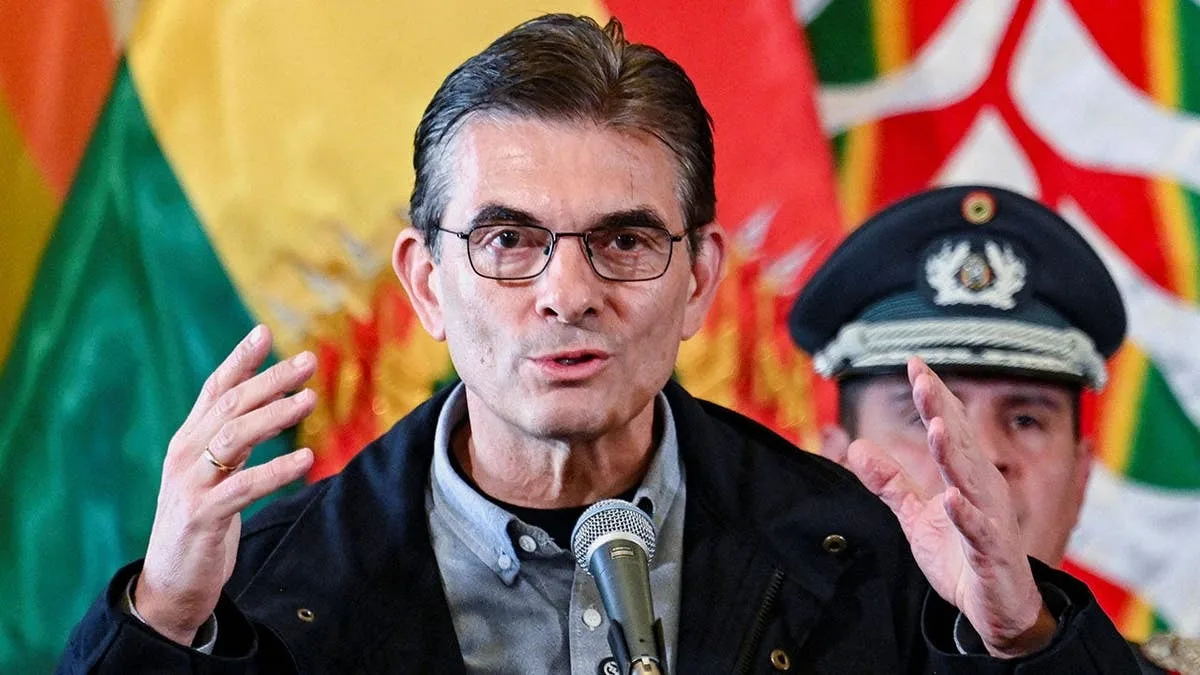
The protests forced the resignations of Defense Minister Marcelo Salinas and Education Minister on June 2 as tensions escalated [1, 2].
The US government accuses drug traffickers and criminal groups of stoking violence, characterizing the turmoil as part of a coup attempt backed by an "alliance between politics and organized crime" [2]. US Secretary of State Marco Rubio stated, "Let there be no mistake: the United States stands squarely in support of Bolivia's legitimate constitutional government" and vowed to block criminals from overthrowing elected leaders [2]. Deputy Secretary Christopher Landau also warned that the crisis is a criminally financed coup [2].
Former President Evo Morales, who led Bolivia for 14 years and is currently facing an arrest warrant, lives in the Chapare region and is calling for early elections within 90 days to resolve the crisis. Morales demanded, "Paz only has two paths left: a suicidal decision like militarization or ... an election in the next 90 days" [1, 2]. Morales denies human trafficking charges against him, labeling them politically motivated [2].
President Paz, in office for six months, supports land reform bills that have drawn opposition from Indigenous groups concerned over eviction risks [2].
The US-backed A3C coalition continues to stand by Bolivia’s government to prevent narco-terrorists from profiting "on death and destruction" in the region, according to Hegseth [1].
Bolivia's political situation remains volatile as government officials resigned on June 2 and high-level US officials made public statements supporting peace and constitutional order on June 3 and 4 [1, 2].