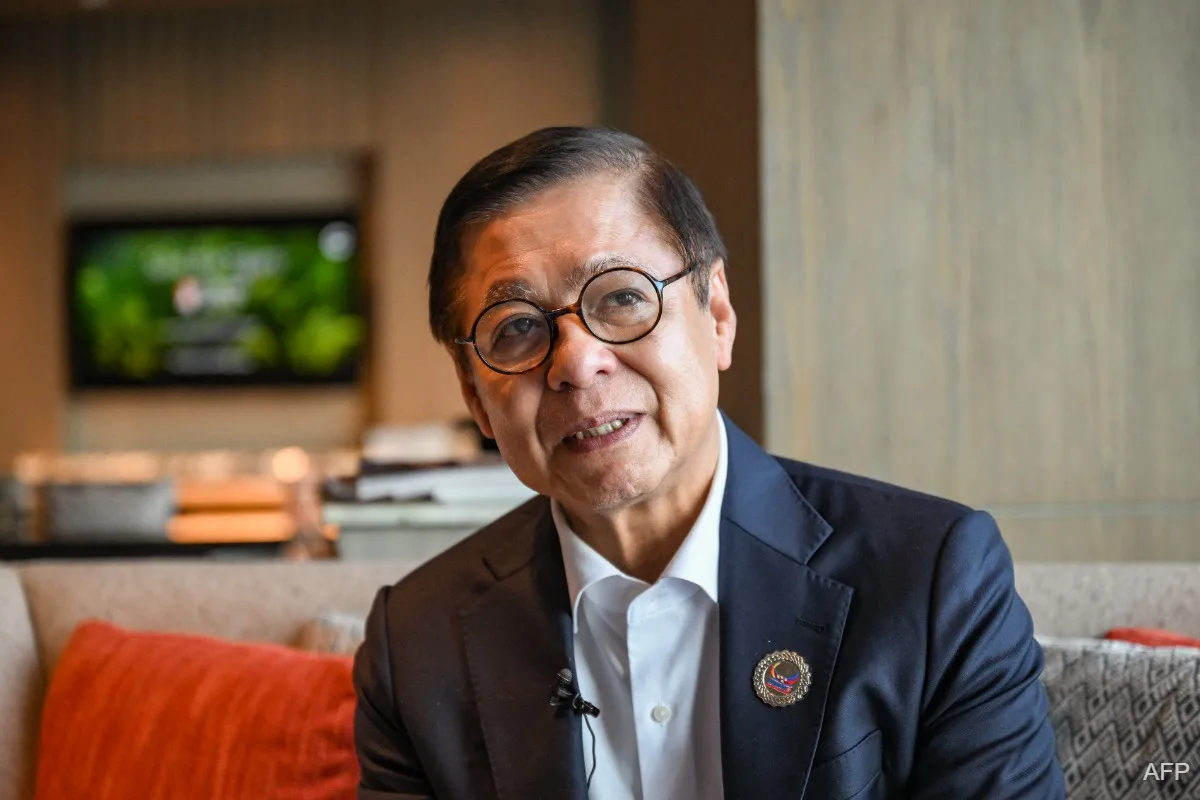
US Defense Secretary Pete Hegseth declared on May 30, 2026, that the United States is more than capable of resuming war with Iran if necessary, citing sufficient global weapon stockpiles. "Our ability to recommence if necessary is we are more than capable," Hegseth said at the Shangri-La Dialogue defense summit in Singapore, highlighting US military readiness in the Middle East and concerns over China’s military buildup [1, 2, 3].
Efforts to reach a peace deal between the US and Iran remain stalled as of late May 2026. US President Donald Trump reportedly delayed signing off on a peace agreement that he insists must include the elimination of Iran’s nuclear program. Trump met with advisers in the White House Situation Room on May 29 but withheld a final decision [1, 4, 2, 3, 5].
Iran’s chief negotiator Mohammad Bagher Ghalibaf stated Tehran will not approve any peace deal unless Iranian rights are fully secured. He also warned the US cannot be trusted, contradicting US claims that a deal is near [4, 3].
Meanwhile, Iran reasserted control over the Strait of Hormuz, warning foreign vessels to comply with its shipping rules or risk being targeted, further escalating tensions [3]. The US responded by imposing additional sanctions on Iran’s maritime shipping agency [2]. US military forces remain vigilant and present across the Middle East [2, 3].
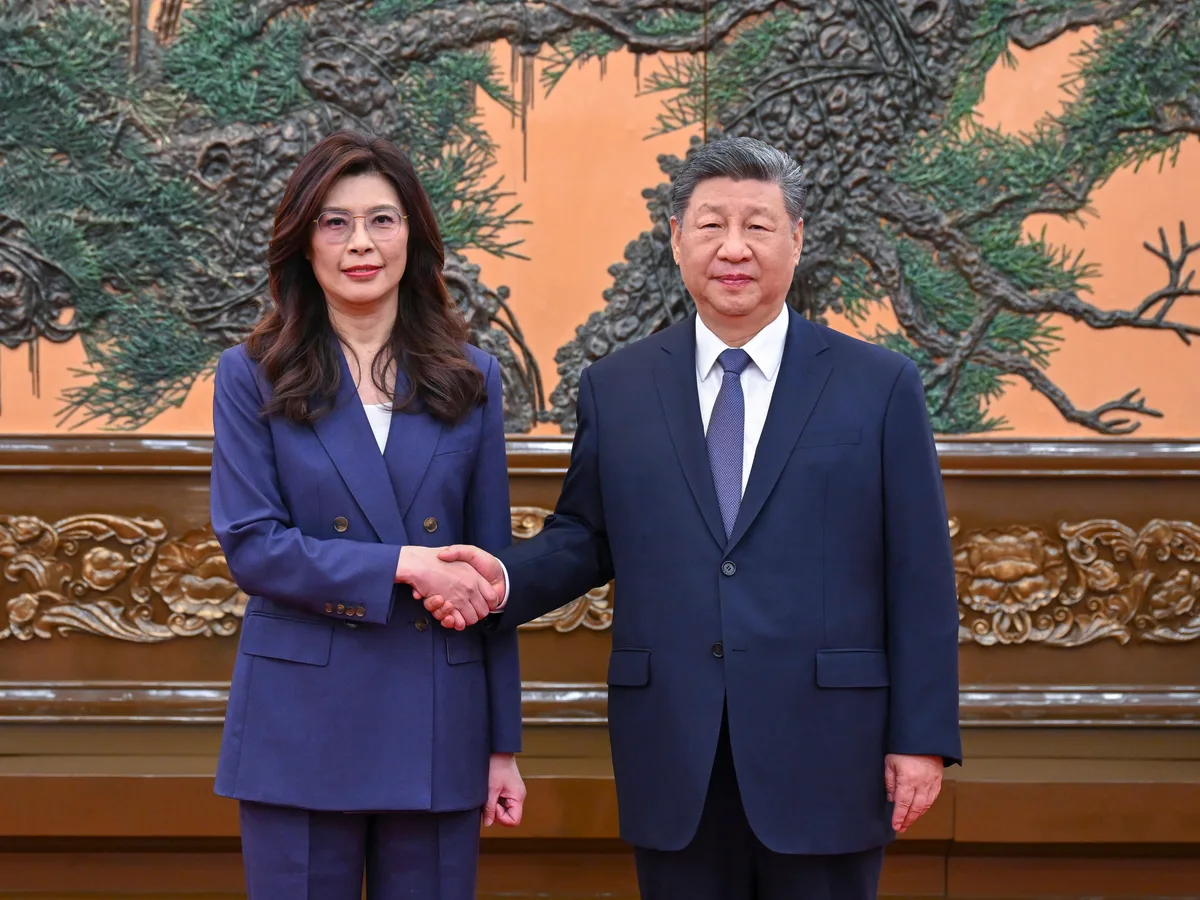
In related regional developments, Taiwan’s opposition leader and Kuomintang chair Cheng Li-wun departed for a sensitive two-week US visit on June 1, aiming to gain deeper trust with Washington. Cheng recently met Chinese President Xi Jinping in Beijing, the first such meeting in a decade. She stated, "Only the KMT is truly serious and responsible in taking on the most important role of maintaining peace and stability across the Taiwan Strait" [6, 7].
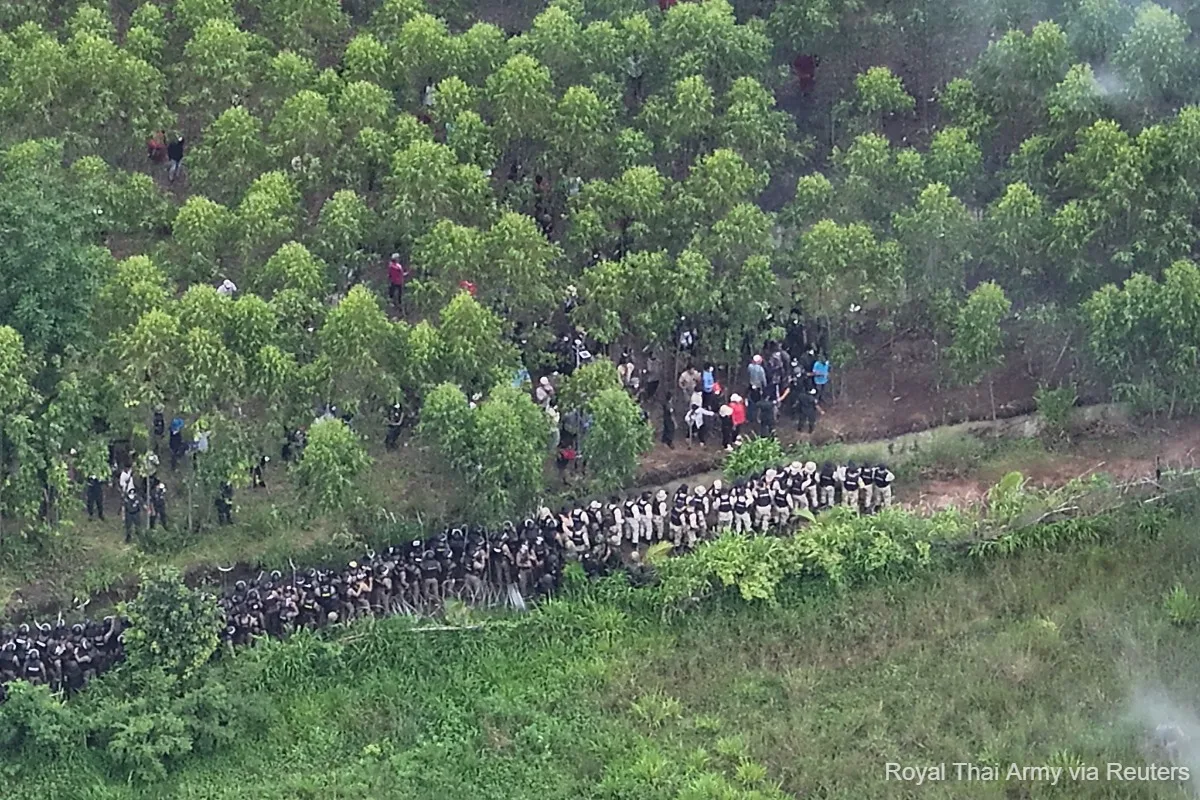
Separately, Cambodia formally initiated a UN-backed dispute resolution process on June 2 under UNCLOS against Thailand over overlapping maritime claims in the energy-rich Gulf of Thailand, estimated to hold $300 billion in reserves. Cambodian Prime Minister Hun Manet said the step protects Cambodia’s sovereignty, calling for a fair settlement guided by international conciliators. Thailand responded on June 3 with readiness for UN mediation but criticized Cambodia’s timing as rushed, emphasizing protection of national interests [8, 9, 10, 11].
The US government continues to balance its regional military posture while awaiting further developments in diplomacy. The next concrete step will be President Trump’s decision on whether to approve the Iran peace deal amid ongoing negotiations and Iranian resistance as of early June 2026.