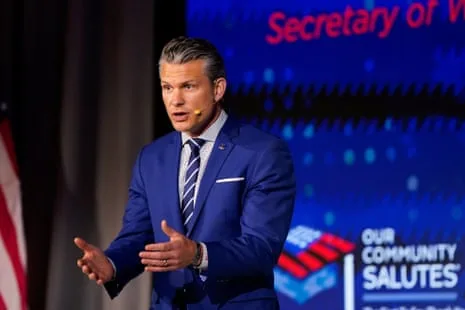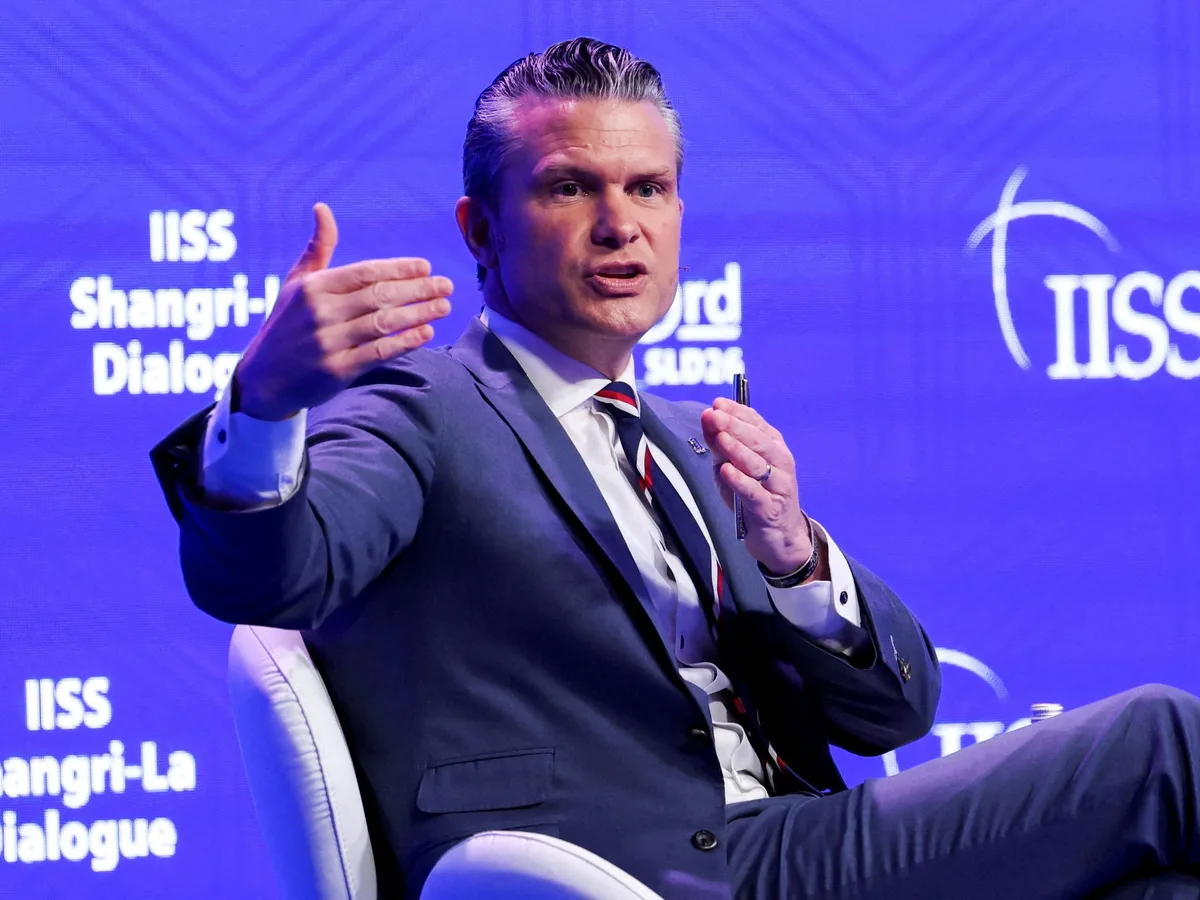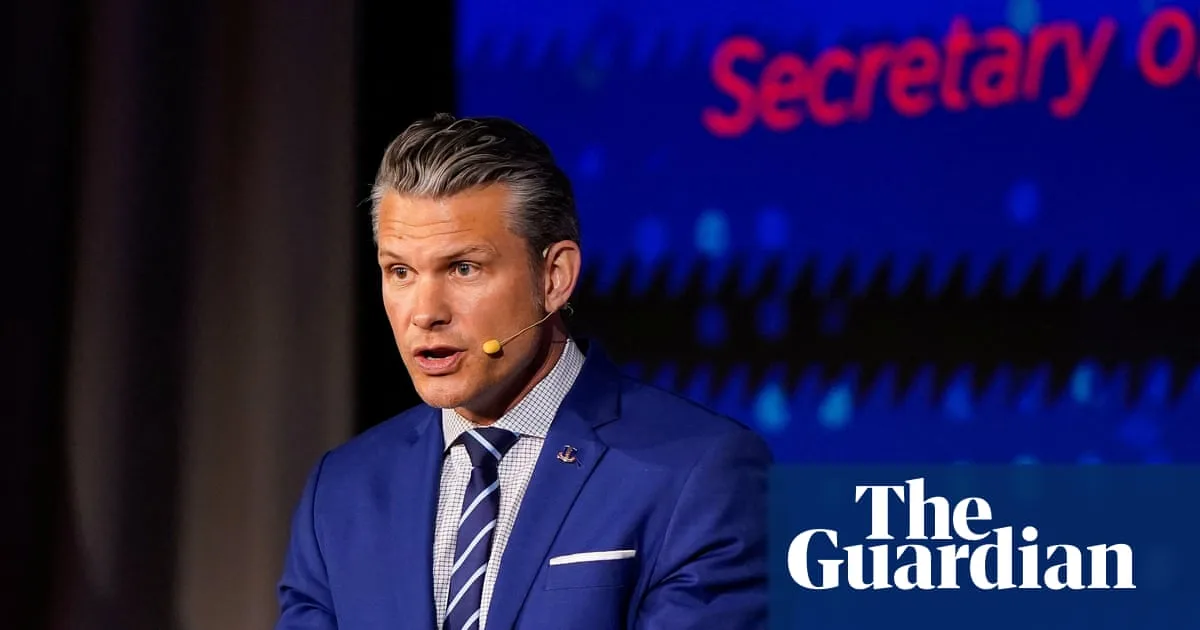
US Defense Secretary Pete Hegseth visited the Guantánamo Bay military base in Cuba on June 10, 2026, where he warned the Cuban government against acquiring weapons capable of reaching the base or the US mainland. "It would be unwise for the government of Cuba to try to procure or get access to the types of weapons that could reach this base or the American homeland," Hegseth said. "They would be inviting the kind of confrontation not only do they not want but they could not stand" [1]. He added, "No country on Earth can match the capabilities of the United States of America" [2].
The warning follows reports from May 2026 that Cuba had acquired more than 300 military drones and was considering using them against US targets, including Guantánamo Bay and Florida, according to the media outlet Axios [1, 2]. Since 2023, Cuba has been obtaining attack drones from Russia and Iran and is seeking additional supplies [1].
The Cuban government dismissed the reports of drone acquisitions as baseless and accused the US of "fabricating pretexts and creating and spreading falsehoods to justify potential aggression" [1, 2].
Relations between the US and Cuba have deteriorated significantly since Donald Trump's return to the presidency in 2025. The US has ramped up sanctions and imposed an oil blockade on Cuba, resulting in fuel shortages and blackouts within the country [2]. These measures have drawn criticism from the UN Human Rights Commissioner Volker Turk, who condemned the US restrictions for harming vulnerable civilians. "Children are dying because doctors lack access to essential medical supplies," Turk said in early June 2026 [2].
Hegseth’s visit to Guantánamo Bay underscores ongoing tensions amid growing US pressure on Cuba. The next concrete development will likely depend on Cuba’s response to US warnings about its military acquisitions and any escalation of sanctions or diplomatic actions.