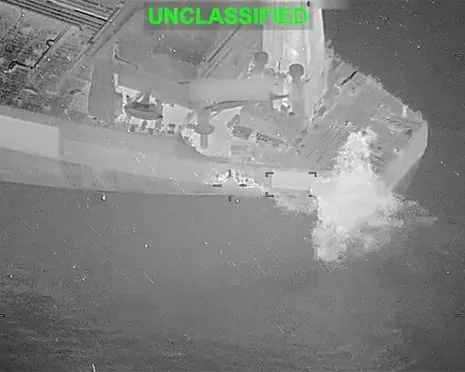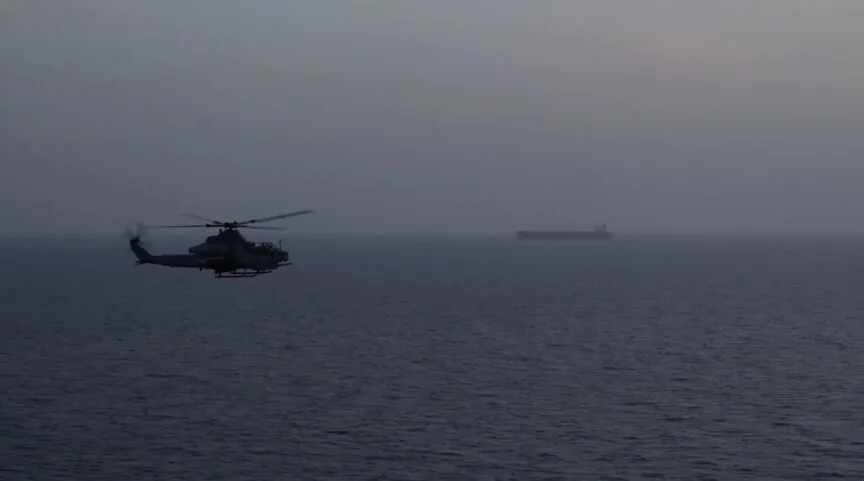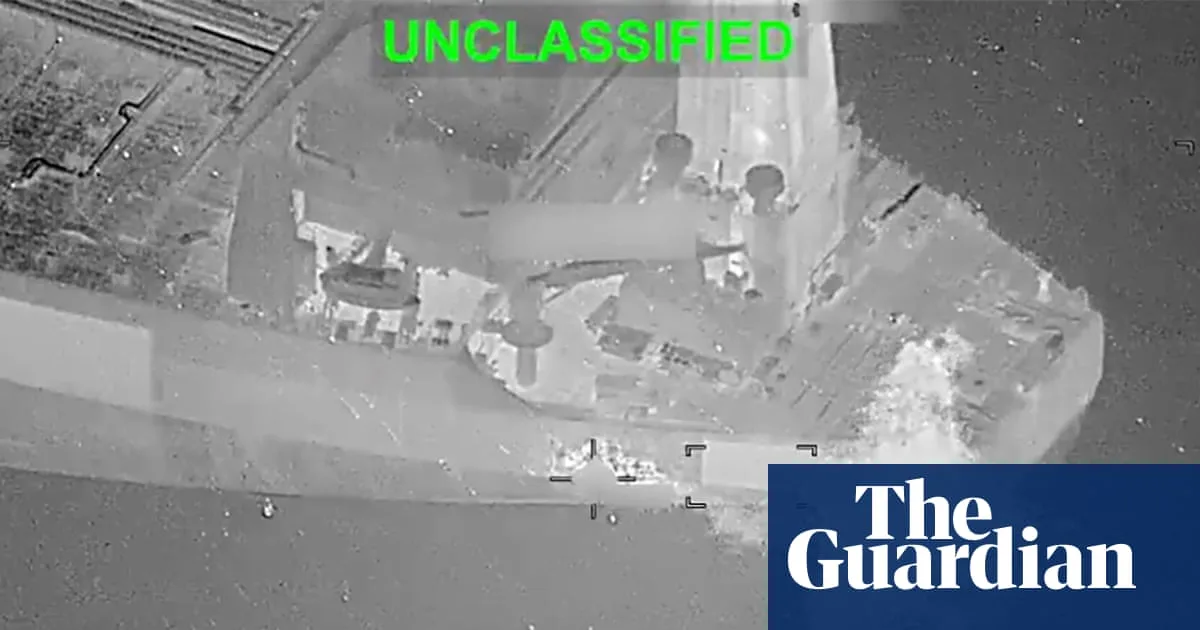
US forces fired a Hellfire missile to disable the Botswana-flagged tanker M/T Lexie near Iran's Kharg Island on June 2, 2026. The tanker was unladen and had ignored repeated warnings over a 24-hour period before the missile struck its engine room, disabling the vessel's propulsion system [1, 2].
The action came as part of a US Central Command blockade that began on April 13, 2026, aimed at blocking maritime traffic entering and exiting Iranian ports [1, 2]. Since the blockade began, US forces have disabled six commercial vessels and redirected 122 others [1, 2].
The escalation followed a series of tensions that started after US and Israeli strikes on Iran on February 28, 2026. These attacks were followed by Iranian assaults on US allies and the subsequent closure of the strategic Strait of Hormuz [2].
A ceasefire between the US and Iran took effect on April 8, 2026, through mediation by Pakistan but subsequent negotiations have failed to resolve key issues [2]. Iran's foreign minister Abbas Araghchi said the ceasefire applied "unequivocally... on all fronts, including in Lebanon" and accused the US and Israel of responsibility for any violations. He said, "Its violation on one front is a violation of the ceasefire on all fronts" [1].
Kuwait's military reported intercepting missile and drone attacks shortly after the US announced the blockade [1]. Meanwhile, US Secretary of State Marco Rubio said a deal with Tehran was close, citing Iran’s willingness to negotiate aspects of its nuclear program "that it had refused to discuss even a month ago" [1].
The M/T Lexie incident marks the sixth commercial vessel disabled during the US blockade of Iranian maritime access. The operation continues amid ongoing security concerns in the Strait of Hormuz and broader regional tensions [1, 2].