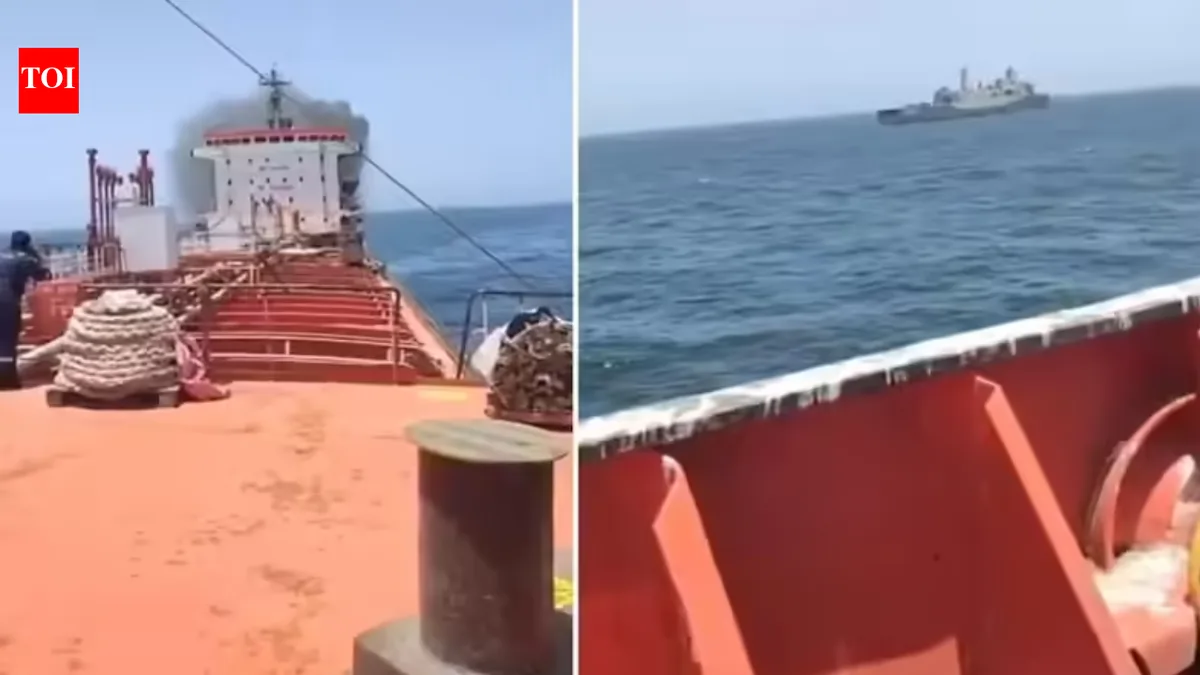
US forces disabled the Palau-flagged oil tanker MT Marivex in the Gulf of Oman on June 8, 2026, after the vessel attempted to sail to an Iranian port in violation of a US blockade, officials said [1, 2, 3]. The tanker was unladen at the time of the strike.
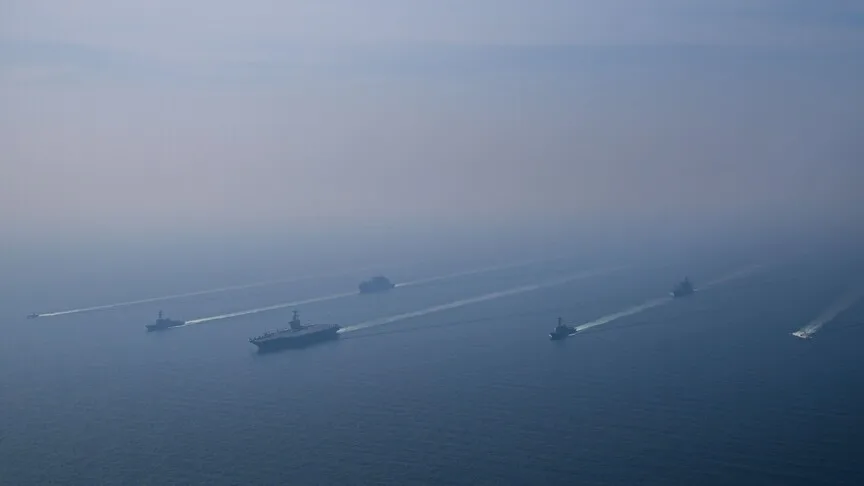
An F/A-18 Super Hornet from the aircraft carrier USS Abraham Lincoln fired a precision munition targeting the tanker's engineering and steering spaces after the ship's crew failed to comply with US forces' directions, US Central Command said. "Marivex is no longer sailing to Iran," the command added [2].
The 24 Indian crew members aboard the tanker were safely rescued and evacuated with assistance from Omani authorities. They were airlifted by helicopter to Masirah Island, Oman [1, 2].
US Central Command said the Marivex was transiting international waters in the Gulf of Oman en route to Iran when intercepted [3]. The vessel had reportedly tried to evade US naval warnings multiple times by switching off tracking signals and entering Omani waters before it was disabled [2].
The tanker was reportedly blacklisted by the US Office of Foreign Assets Control (OFAC), preventing it from accessing many international ports [2].
The strike on Marivex is the latest in a series of US actions enforcing a maritime blockade against Iranian ports, which began on April 13, 2026, according to US Central Command [3]. Since then, US forces have disabled seven commercial vessels and redirected 134 others to prevent shipments to or from Iran [3].
The US has maintained a firm stance on enforcing the blockade. Officials said that the strike came only after the crew repeatedly ignored warnings to stop and comply with US naval orders [2].
The next step will likely involve investigations into the intercepted vessel's cargo and connections, as well as continued monitoring of shipping traffic in the Gulf of Oman and surrounding waters to enforce maritime sanctions against Iran.