Gallup’s Economic Confidence Index sank to -45 in late May 2026, marking the lowest level since 2022 amid ongoing tensions linked to the US-Israel war on Iran [1, 2]. Only 16% of Americans rated the economy as "good" or "excellent," while 49% called it "poor" and 34% described it as "fair" [1, 2].
A large majority of 76% of US adults said economic conditions are worsening, with just 20% saying they are improving [1, 2]. The decline in confidence closely follows a sharp rise in inflation and gasoline prices, triggered after the US and Israel launched military strikes on Iran in late February 2026 [1, 2].
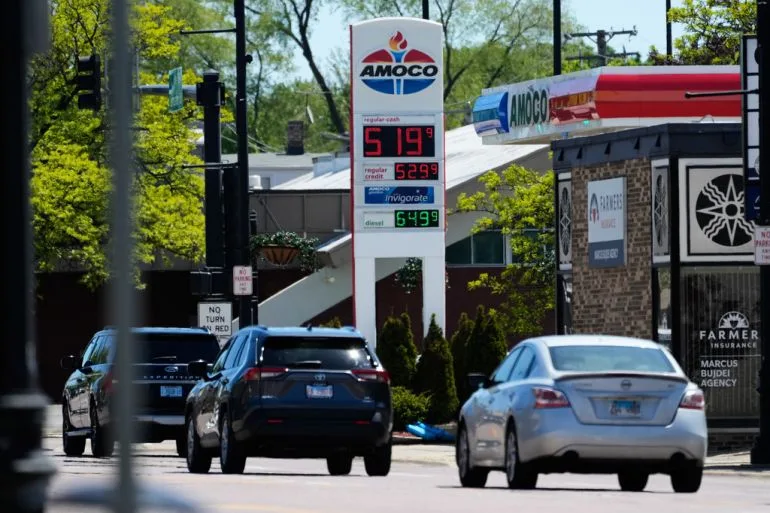
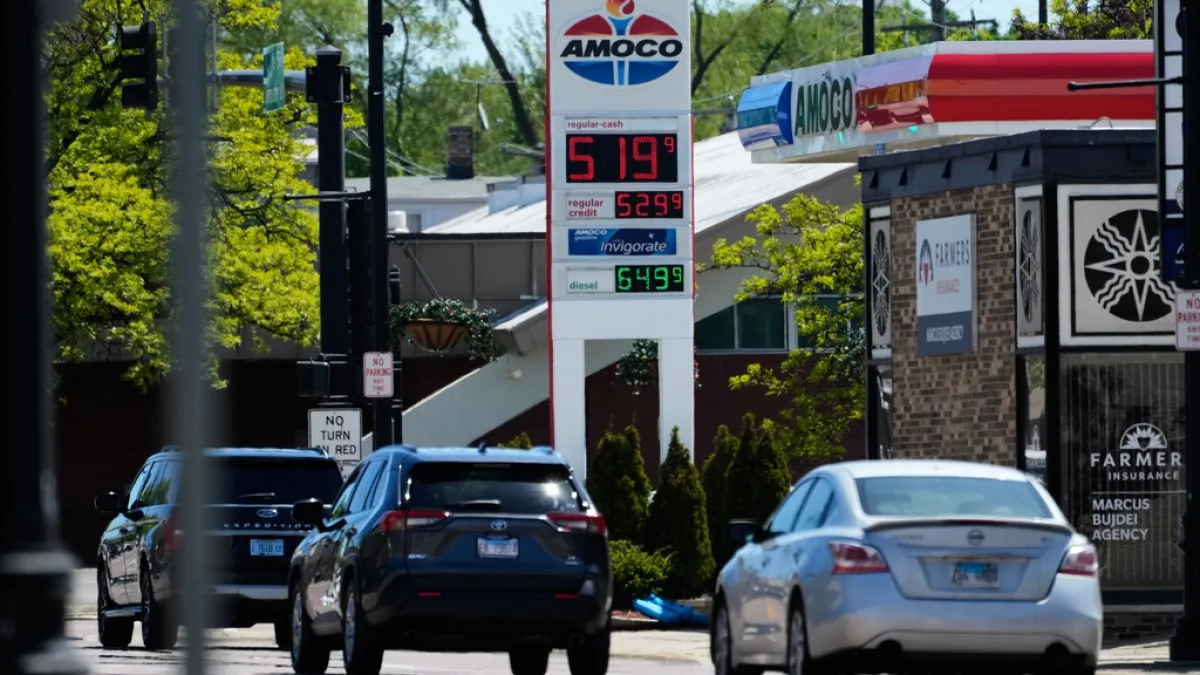
The average US price for gasoline rose to $4.55 per gallon from below $3 prior to the conflict, reflecting energy market disruptions [1]. Iran responded to the strikes by closing the strategic Strait of Hormuz, causing oil and gas prices to surge further [1]. The US imposed a naval blockade on Iranian ports, exacerbating global supply shortages and putting upward pressure on prices [1].
Although a ceasefire agreement took effect in April 2026, blockades around the Strait of Hormuz have remained due to the absence of a permanent peace settlement [1]. Rising energy costs have fueled inflation throughout March and beyond, deepening economic concerns among Americans [1].
Economic confidence among Republicans in May hit its lowest point since Donald Trump resumed office in January 2025, though it remains higher than levels seen just before he left office in 2021 [2].
The Gallup poll released on May 22 captures public sentiment amid persistent geopolitical tensions and their economic fallout [1, 2]. The situation remains volatile as blockades continue and energy prices stay elevated.