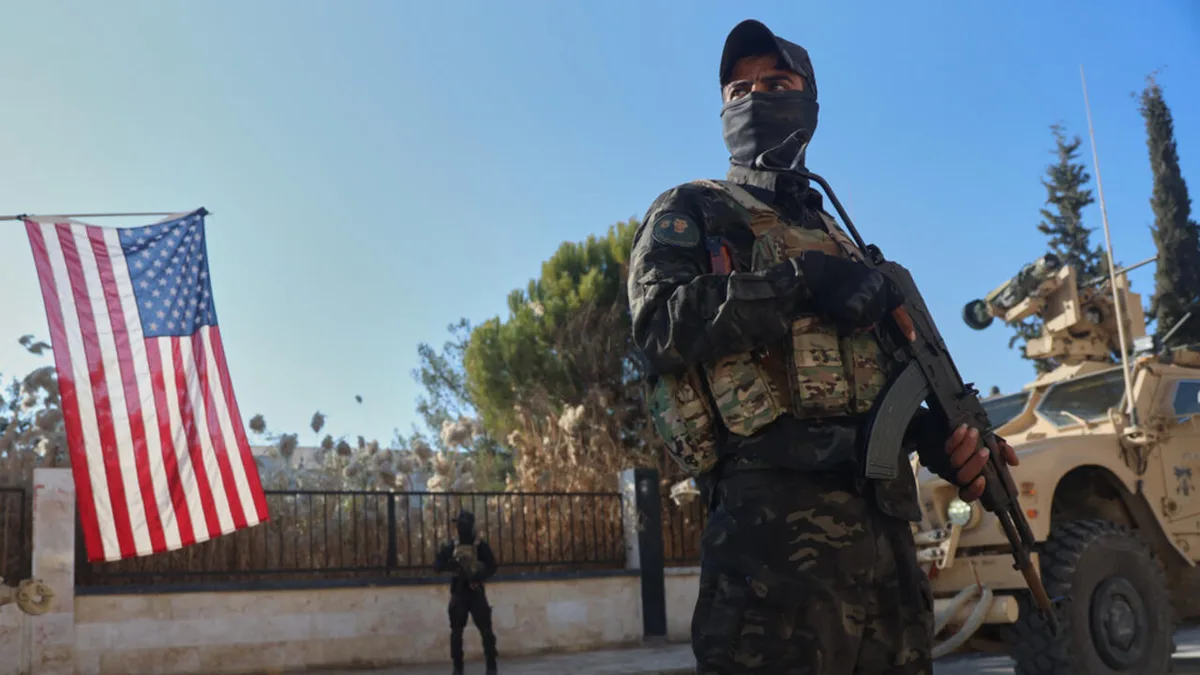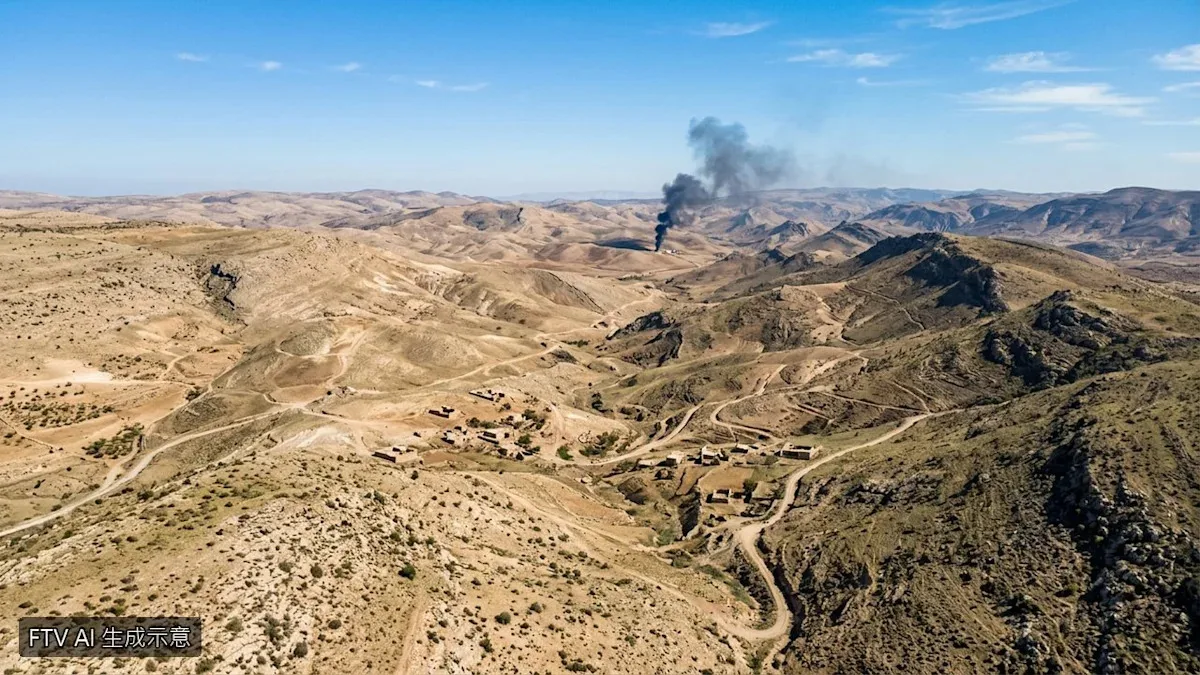
US Central Command announced that US forces carried out an airstrike on June 19, 2026, in northwestern Syria that killed senior Islamic State leader Ali Husayn al-Ulaywi [1, 2, 3, 4, 5]. The attack was part of ongoing US efforts to disrupt and eliminate terrorists targeting Americans abroad or at home [1, 2, 3, 4, 5].
Since February 2026, the Islamic State group declared a renewed campaign of attacks against the Syrian government led by President Ahmed al-Sharaa, including a spate of assaults across the country [1, 2]. On June 20, 2026, ISIS claimed responsibility for an attack near the city of Manbij in Syria's northeastern Aleppo province [1, 2].
At the height of its control about a decade ago during the Syrian civil war, the Islamic State controlled roughly 25% of Syria territory before being expelled by a US-led coalition [1, 2]. While the Syrian government reclaimed all major military bases nationwide by April 2026, ISIS still operates covert cells inside Syria, leading to continued US airstrikes [5].
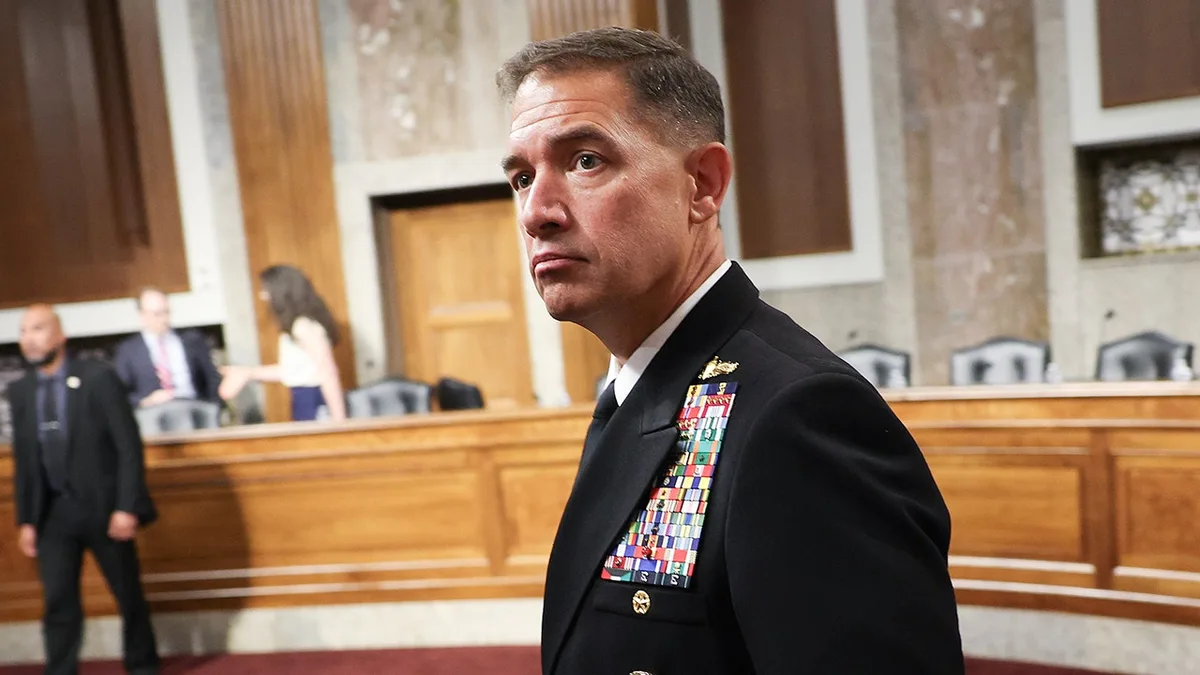
US forces continue working with regional partners to target remaining ISIS elements as part of ongoing counterterrorism operations [3, 4, 5]. CENTCOM commander Adm. Brad Cooper said, "CENTCOM and our partners remain committed to rooting out remaining remnants of ISIS to ensure its enduring defeat. We will continue to defend the U.S. homeland, our service members, and allies and partners across the region" [3].
The Syrian government joined the US-led coalition against ISIS last year, coordinating efforts to combat the militant group [1, 2]. The killing of Ali Husayn al-Ulaywi marks the latest significant strike against ISIS leadership amid persistent insurgency in Syria.
US officials have not announced further planned operations but have reaffirmed their commitment to continued counterterrorism efforts in the region as ISIS maintains its underground presence [3, 4, 5].