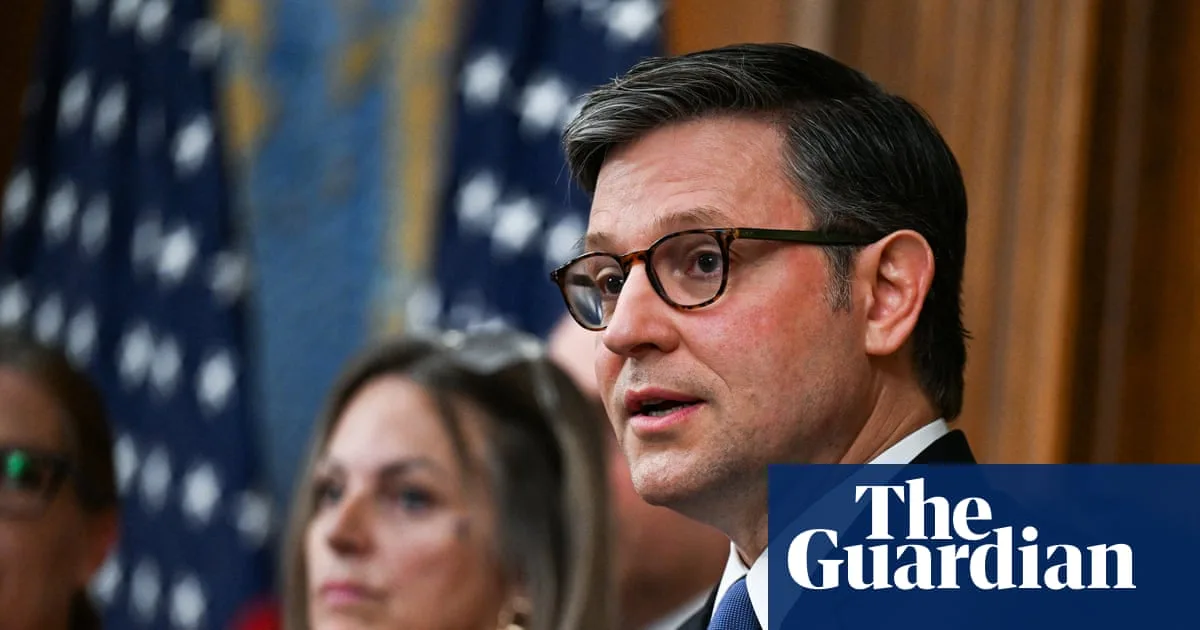
The US House of Representatives will vote on Thursday to pass a short-term extension of section 702 of the Foreign Intelligence Surveillance Act (FISA) set to expire Friday, June 12, 2026 [1]. Section 702 permits US intelligence agencies to intercept foreign communications without a court warrant and was enacted following the 9/11 attacks [1, 2].
Without congressional approval, the authority granted under section 702 will lapse on June 12, 2026, potentially halting key surveillance programs [1]. However, the FISA court issued a year-long certification that authorizes collection under section 702 through approximately March 2027, allowing some surveillance to continue despite the statute’s expiration [1, 2].
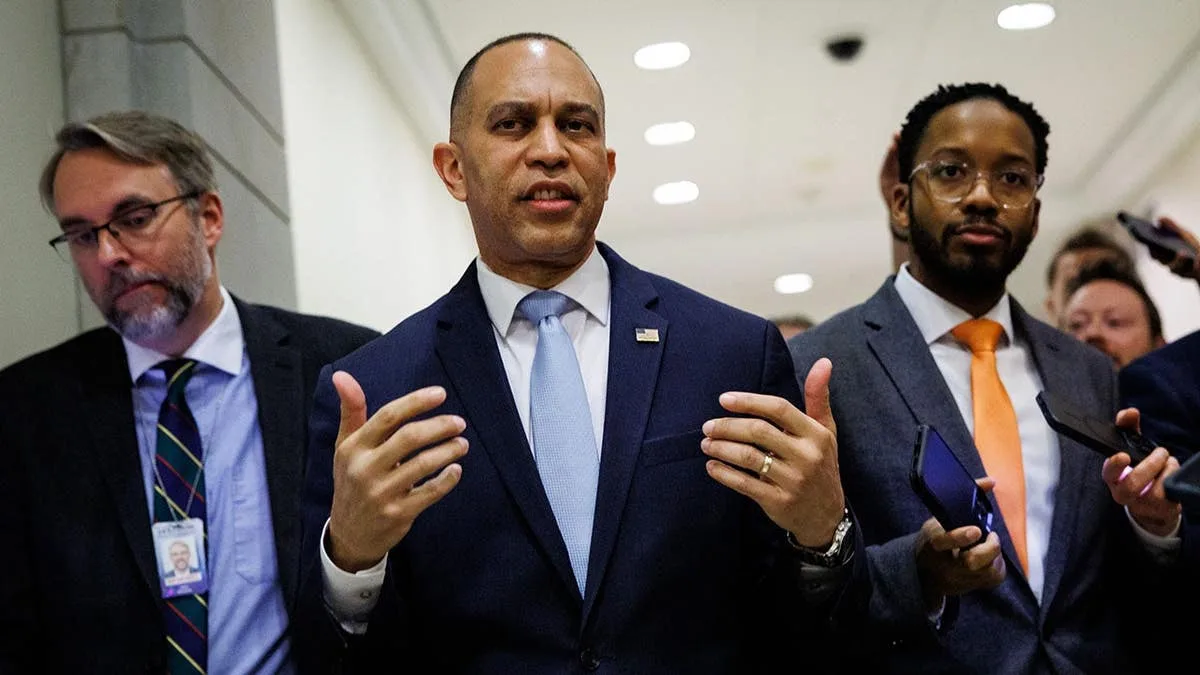
Republicans intend to secure a two-thirds majority for the extension vote but face near-certain defeat due to strong Democratic opposition [1]. Democrats are protesting the short-term extension in light of President Donald Trump’s appointment of Bill Pulte, a major Republican donor lacking national security experience, as acting director of national intelligence [1, 2]. House Minority Leader Hakeem Jeffries sharply criticized the appointment, saying, "Bill Pulte has no relevant national security experience. Consequently, his appointment is in defiance of the law that requires the Director of National Intelligence to have ‘extensive’ national security experience" [1]. Jeffries also said, "The problem is that the Trump administration has decided to toss this hand grenade into the middle of sensitive negotiations" [2].
Section 702 surveillance efforts gather intelligence on foreigners using US communications systems but also incidentally capture communications involving Americans communicating with foreign suspects [2]. This dual scope has raised concerns around privacy and oversight.
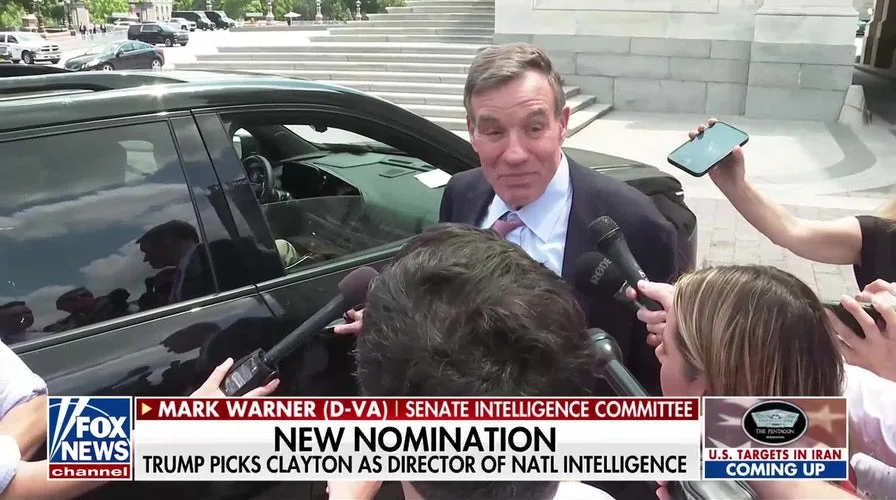
Senator Mark Warner, a Democrat from Virginia, expressed uncertainty about the consequences of failing to extend the statute, saying, "We don't know the answer to that, but it is, obviously, a high-risk proposition" [2]. Republican Senator John Kennedy of Louisiana remarked, "It's not like that will be the end of our ability to surveil foreign terrorists," maintaining confidence in ongoing national security operations even if the statute lapses [2].
A key point of contention is whether telecommunications and tech companies will continue cooperating with intelligence agencies if Congress does not explicitly renew section 702, creating uncertainty about the uninterrupted operation of surveillance programs [2].
The House vote on June 11 precedes the June 12 expiration deadline for congressional authorization. The outcome will determine if surveillance under section 702 continues seamlessly or faces legal and operational challenges.