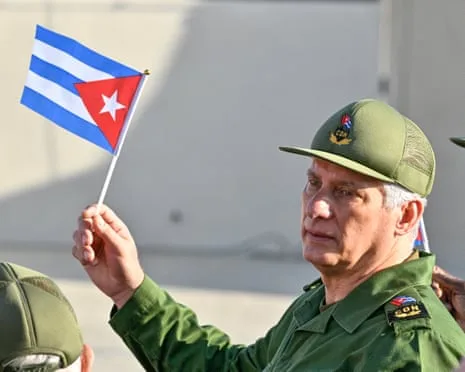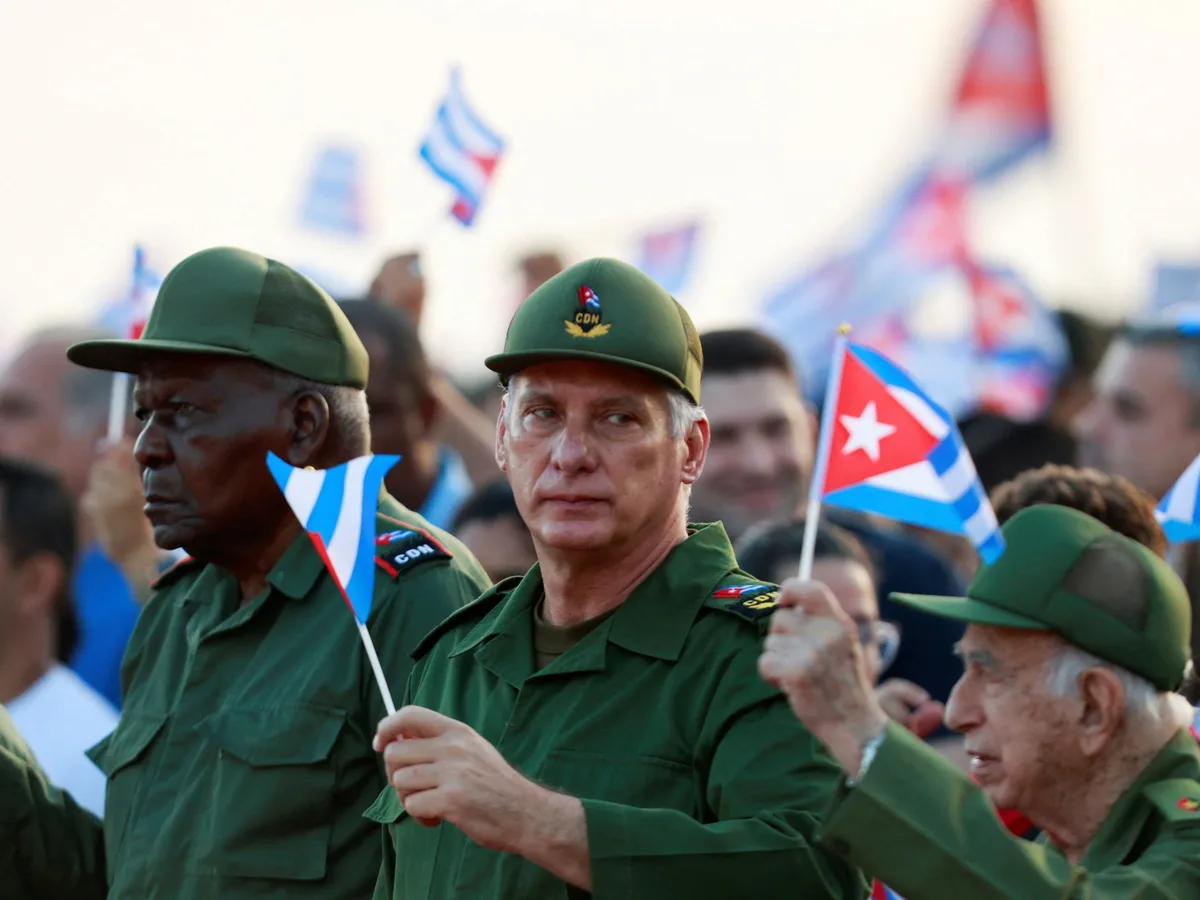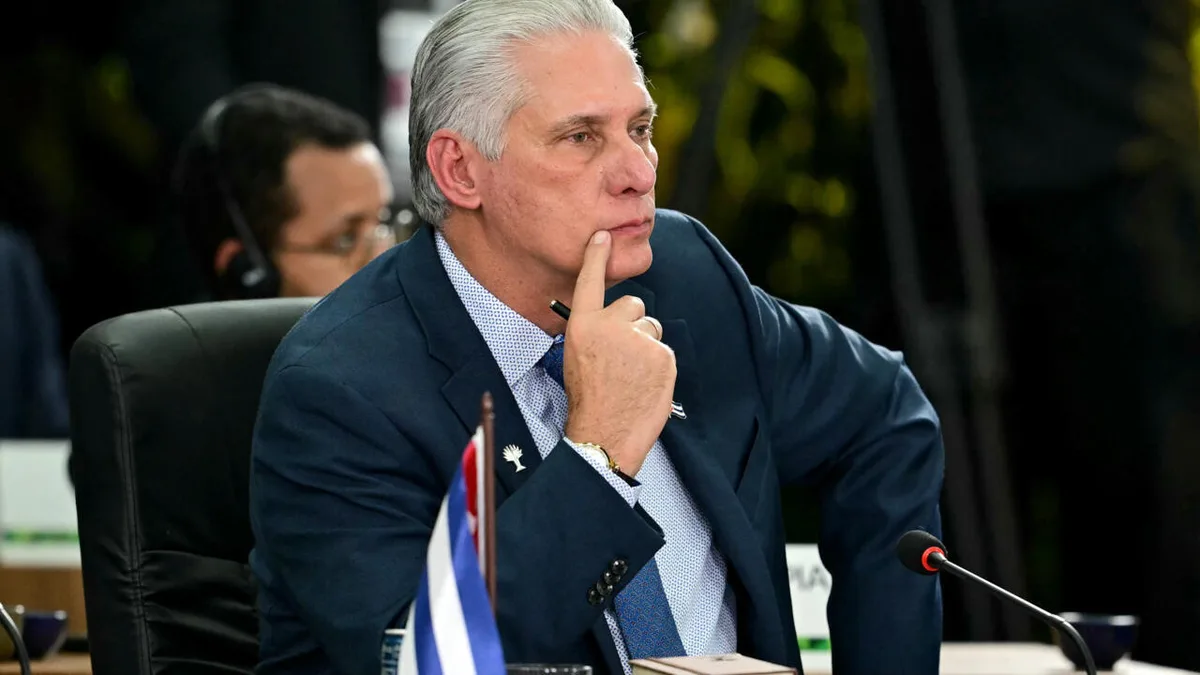
The United States imposed fresh economic sanctions on Cuban President Miguel Diaz-Canel, his wife Lis Cuesta Peraza, and her son Manuel Anido Cuesta on June 4, 2026, the Treasury Department announced [1, 2, 3, 4]. Targets included Alejandro Castro Espin, son of Raul Castro, and his grandson Raul Alejandro Castro Calis, further expanding the list of individuals linked to Cuba's ruling family [1, 2, 3, 4].
The sanctions also designated key Cuban institutions: the Ministry of the Revolutionary Armed Forces, the Cuban military, and the Committees for the Defense of the Revolution (CDR) were included, alongside the Cuban Institute of Friendship with the Peoples (ICAP), its commercial branch Amistur Cuba, and the state mining company Minera La Victoria SA [1, 3, 4].
US Secretary of State Marco Rubio said the sanctions "target the Cuban regime's wide-ranging and violent radical action network and the actors who implement and fund it." He warned foreign banks and companies that "anyone providing services to these sanctioned actors is at risk of sanctions themselves" and urged the freezing of related activities [1].
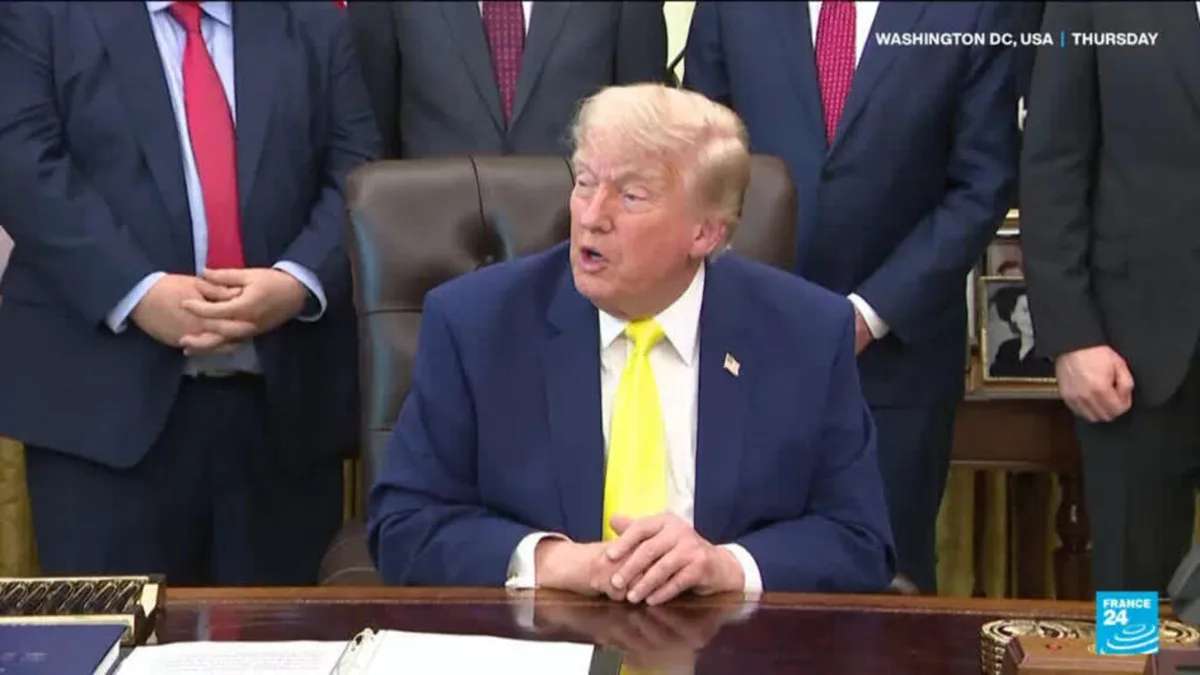
President Donald Trump publicly announced the sanctions on June 4 and outlined his intention to "take care of the Islamic Republic of Iran, and as soon as that’s done, on our way back, we’ll just make a little brief stopover" in Cuba [3, 4]. Trump denied the US sanctions were meant to accelerate Cuba’s collapse, stating he wants Cuba to become a "nicely run country that can feed its people" [4].
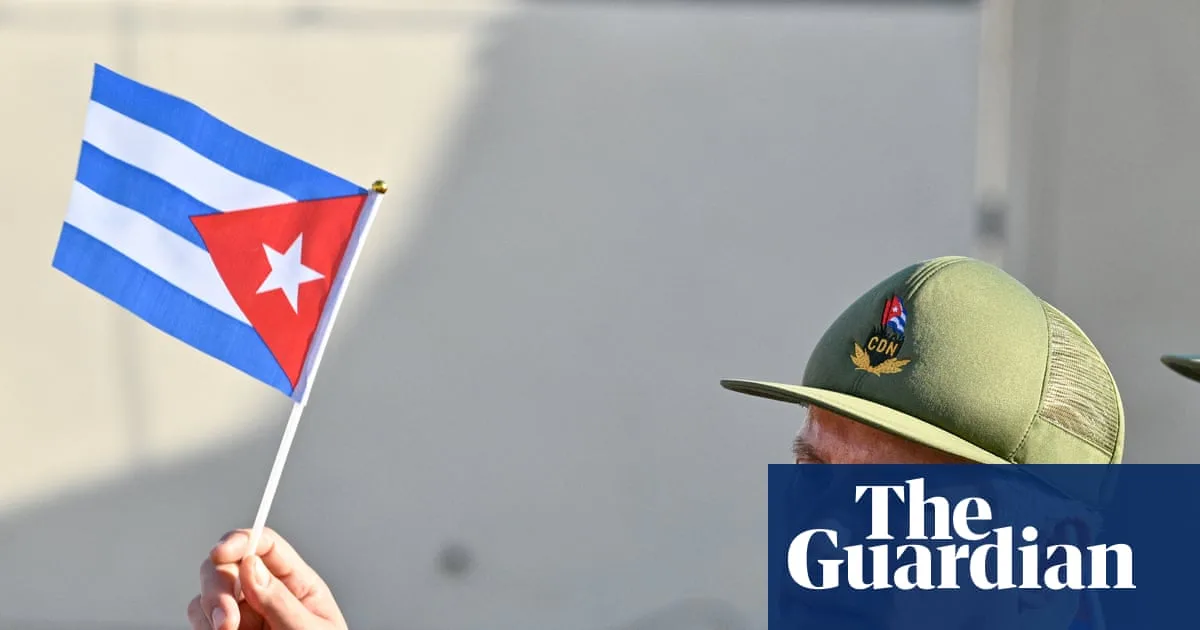
Cuban President Diaz-Canel condemned the sanctions as "coercive measures" designed to harm the Cuban people and vowed resistance, saying "the aggressiveness and perversity of the Yankee government will clash with our determination to confront the worst scenarios and resist the imperialist onslaught" [3]. Cuban Foreign Minister Bruno Rodriguez called the sanctions "vile" and a sign of US interventionism, declaring every threat will be met with "even greater unity and resolve from our people" [3].
The new sanctions build on previous US efforts. In 2025, Washington restricted visas for the Cuban president and other officials [1, 2]. The US has maintained a trade embargo on Cuba since 1962, but the recent steps mark a significant escalation with a de facto fuel blockade that has worsened energy shortages and food insecurity in Cuba [1, 3].
The sanctions took effect on June 4, 2026, as announced by the US Treasury Department [1, 2, 3, 4].