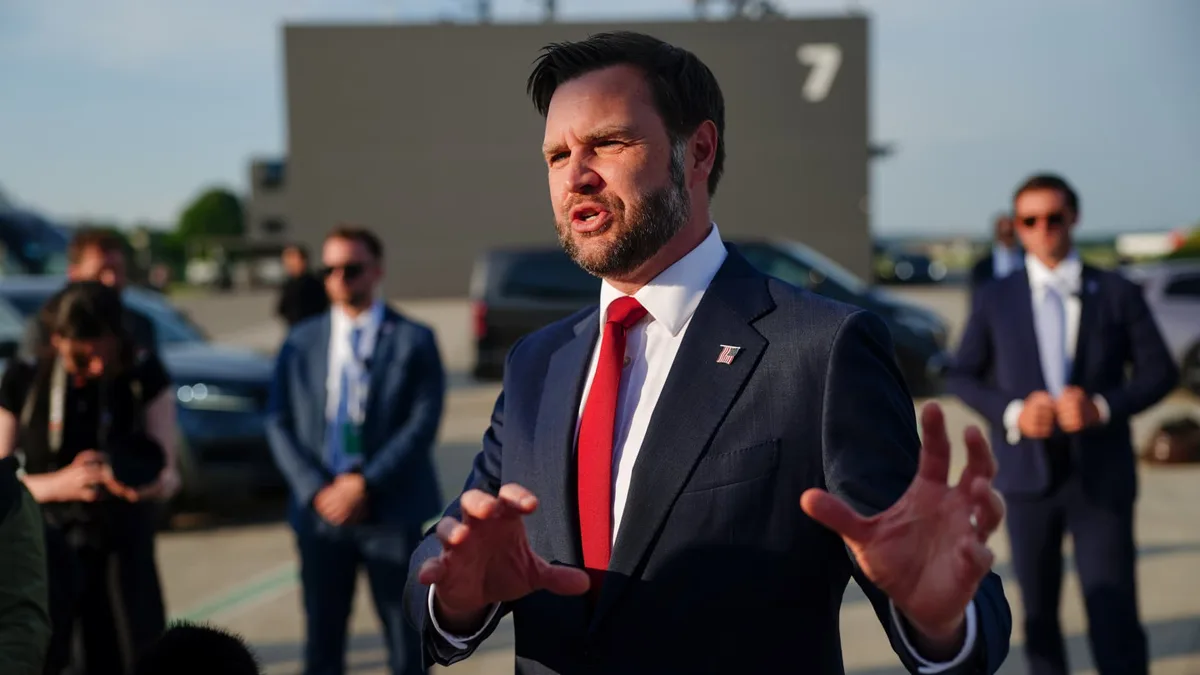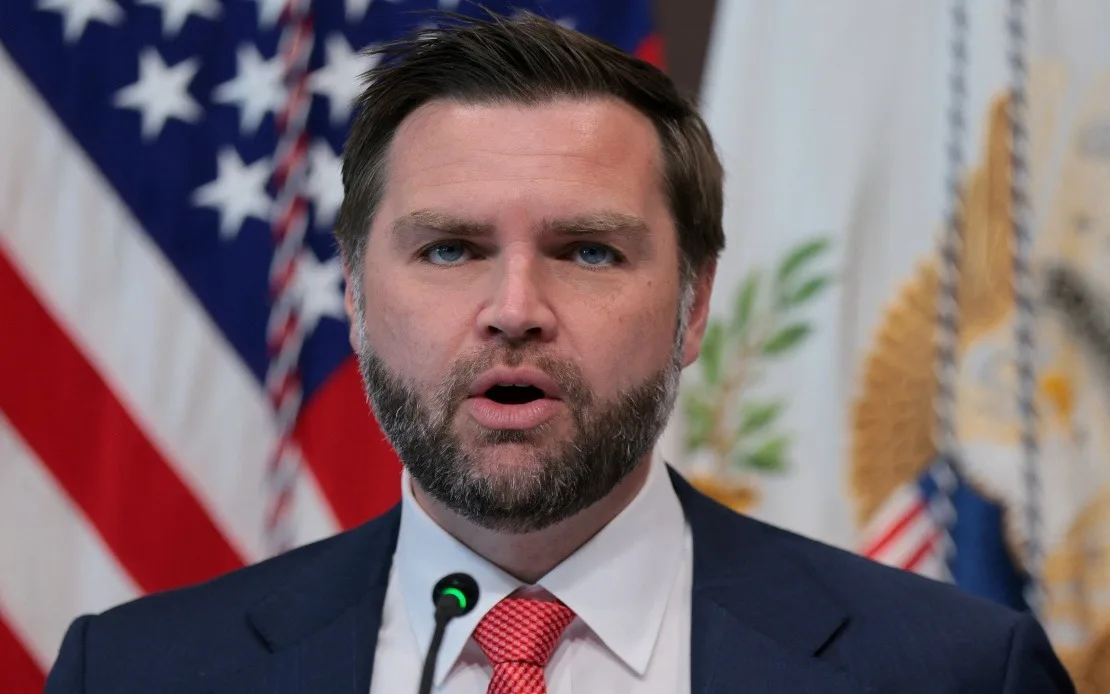
The United States escalated economic pressure on Iran on August 21, 2026, marking what Vice President JD Vance called a "new phase" in efforts to achieve American objectives through sanctions and energy policy [1, 2, 3].
That day, the Treasury Department’s Office of Foreign Assets Control (OFAC) added 10 individuals to its Iran-linked sanctions list, intensifying financial restrictions against Tehran [1, 3]. Treasury Secretary Scott Bessent announced plans to impose the "toughest sanctions in history" on Iran, describing the effort as the "greatest coordinated economic isolation in the history of the world" [1].
Vance described the strategy as a "delicate dance," acknowledging that Iran might attempt retaliatory economic pressure against the US. However, he asserted that sustained pressure remains the best route to US goals [1, 2, 3]. He further explained that expanding US oil and gas exports would reduce domestic energy prices and simultaneously increase pressure on Iran by depriving it of crucial revenue. "If we can get enough oil and gas out to give some Americans some ease at the pump, some ease on energy prices, it would also apply a lot of economic pressure on Iran and change its calculus," Vance said [1, 3].
According to Vance, Americans’ pump prices have already fallen substantially due to increased oil and gas shipments through the Strait of Hormuz, facilitated by military support [2]. Ship traffic through the Strait remains far below pre-war levels — just 10 crossings on Monday and 2 on Sunday, compared with a pre-war average of about 130 ships per day [2].
President Donald Trump called the US sanctions effort the "most crushing economic operation ever taken against any country" and threatened penalties on nations aiding Iran in sanctions evasion. He described it as "Economic Warfare and Isolation on an unprecedented scale" [2].
Vance emphasized that Iran has been held accountable for shooting at commercial ships and credited US measures with preventing further attacks. He said Iran must choose between enduring economic strangulation or seeking better relations with the West, reflecting President Trump’s long-standing position: "Do they want to have their economy strangled for the rest of time, or do they want to have a better relationship with the West?" [2]
The new sanctions and related economic measures took effect August 21, solidifying the US government’s intent to ramp up financial constraints and bolster energy exports as primary tools to pressure Tehran [1, 3].