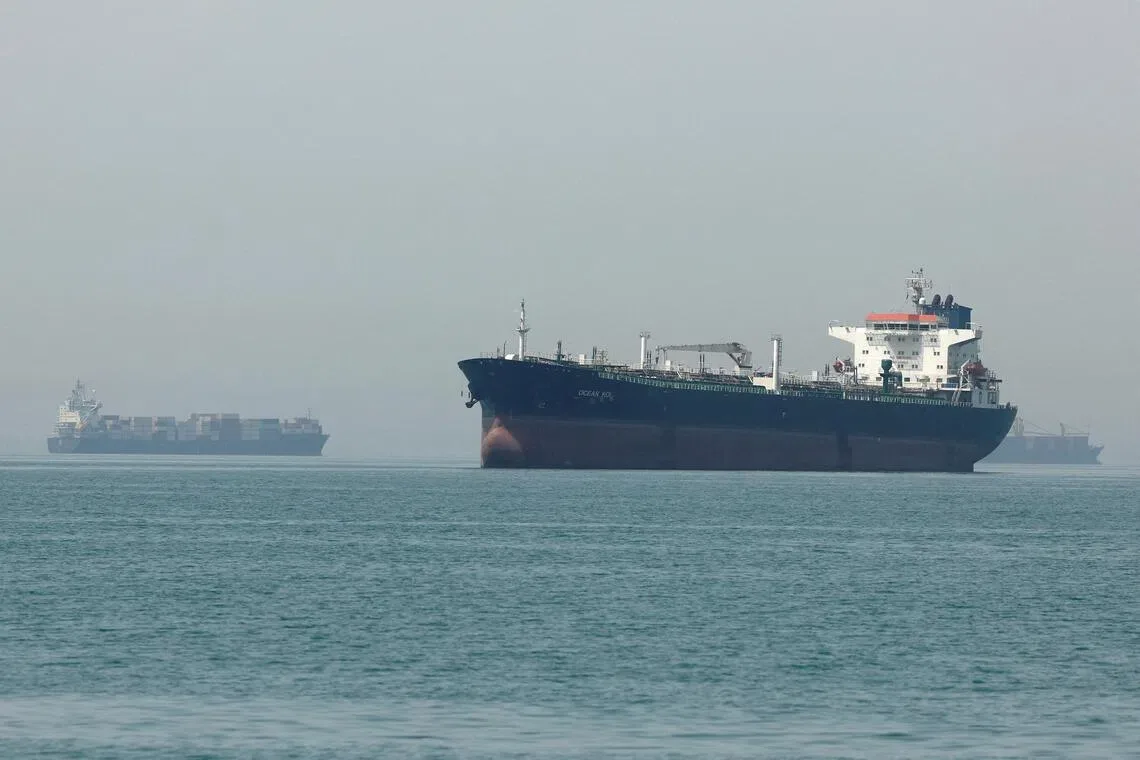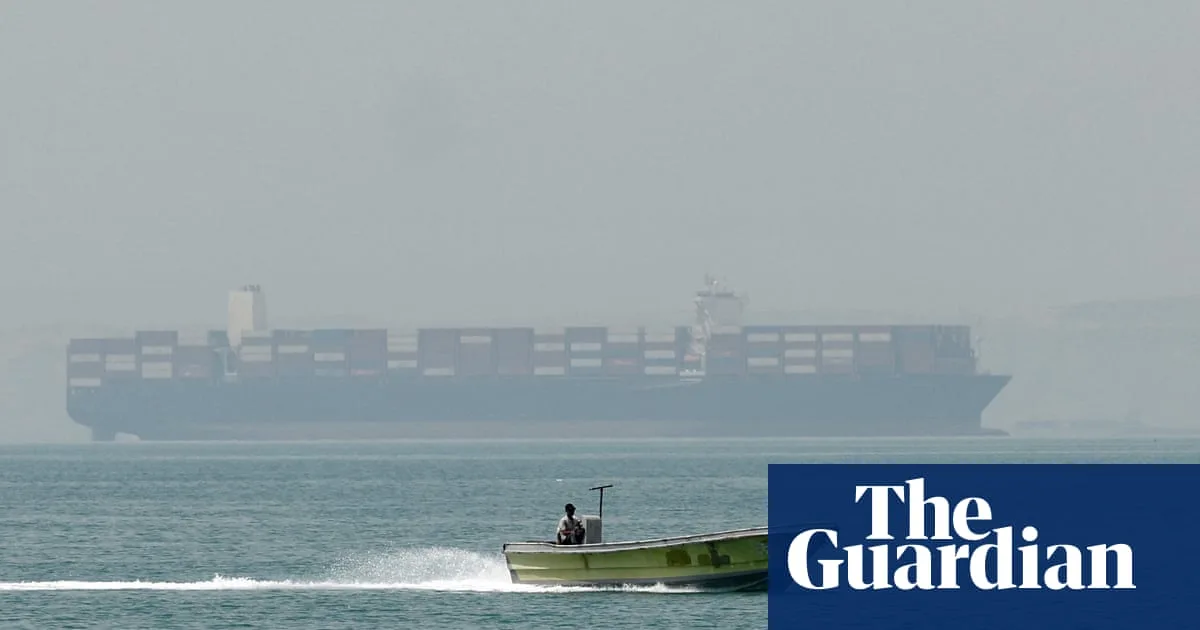
US-Iran ceasefire talks remain deadlocked amid disputes over control of the Strait of Hormuz and Washington's demand that Iran export its enriched uranium stockpile [1, 2]. Pakistan’s army chief Asim Munir arrived in Tehran on May 22 to mediate the talks, which aim for a permanent ceasefire [3].
Iran’s Supreme Leader Mojtaba Khamenei issued a directive on May 22 to keep the uranium stockpile in Iran, defying US demands for its removal [2]. US President Donald Trump has kept military options open if diplomacy fails, saying a strike on Iran "remains an option" [1, 3, 2]. US Secretary of State Marco Rubio said, "We’re dealing with a very difficult group of people. And if it doesn’t change, then the president’s been clear he has other options" [3].
Iran proposes establishing a Persian Gulf Strait Authority (PGSA) to control shipping and charge tolls for transit through the Strait of Hormuz [1, 4, 5]. The strait is a critical chokepoint where about 20% of world oil and gas passes, and it supports some 11 billion tons of global maritime trade annually [4, 5]. However, five Gulf states—Bahrain, Kuwait, Qatar, Saudi Arabia, and the UAE—oppose Iran's toll plan and urged the International Maritime Organization (IMO) to advise vessels to avoid the tolls [1]. Oman is reportedly cautious but engaged in talks with Iran over the plan [1, 4, 5].
International Maritime Organization head Arsenio Dominguez said mandatory tolls violate freedom of navigation rules. "I’m not entertaining conversations relating to mandatory tolls, things that go beyond the freedom of navigation, the right of innocent passage," he said [4]. Maritime analyst Michelle Wiese Bockmann added, "If you remove that principle of freedom of navigation in the Strait of Hormuz, then where do you draw the line?" [4].
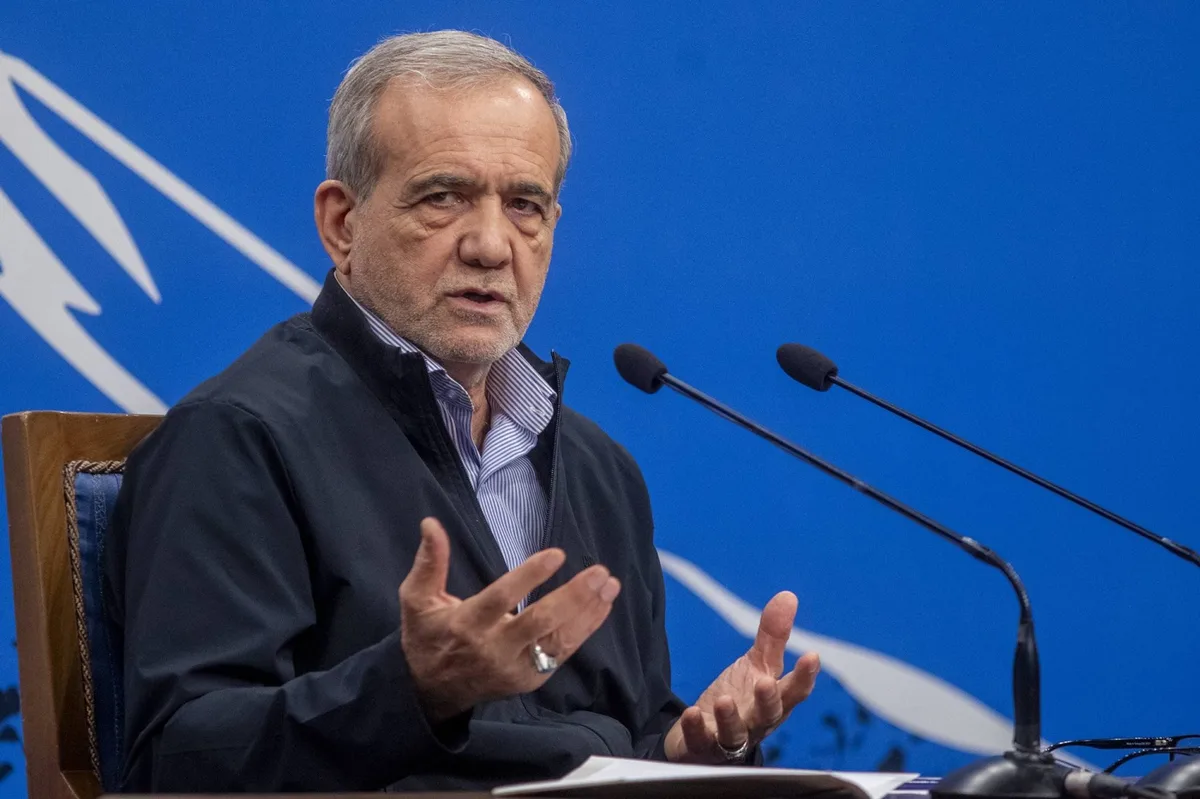
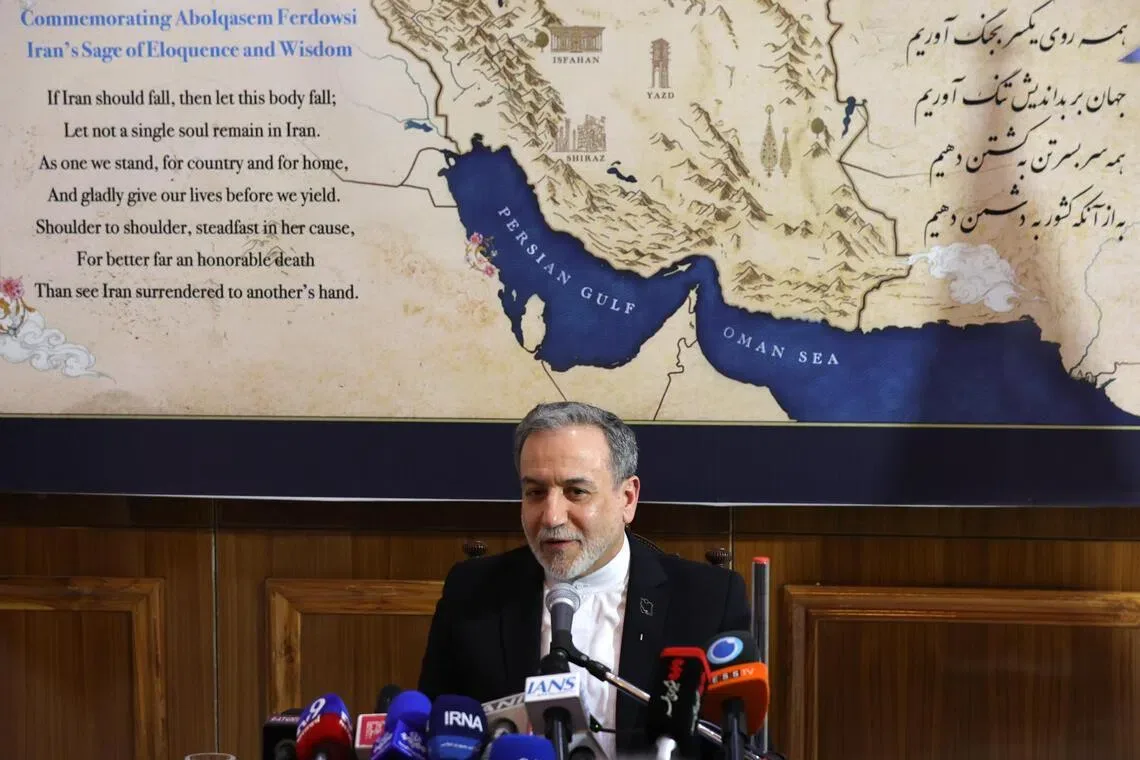
Iranian Foreign Minister Abbas Araghchi insisted Tehran seeks peace despite "repeated betrayals of diplomacy and military aggression against Iran, along with contradictory positions and repeated excessive demands" by the US [3]. Tehran also demands phased lifting of US sanctions, unfreezing of assets, war damage compensation, and assurances against future use of force [1].
Renewed conflict risks global economic disruption given the strait's status as a vital oil and trade artery [1, 3, 4, 5]. Pakistan’s mediation effort continues after Asim Munir’s May 22 visit to Tehran, but key differences over nuclear and maritime issues remain unresolved [3].