The US under President Donald Trump announced an "economic D-Day" sanctions campaign on Monday aimed at isolating Iran economically and targeting its trade partners worldwide, including China and the UAE [1, 2, 3, 4, 5].
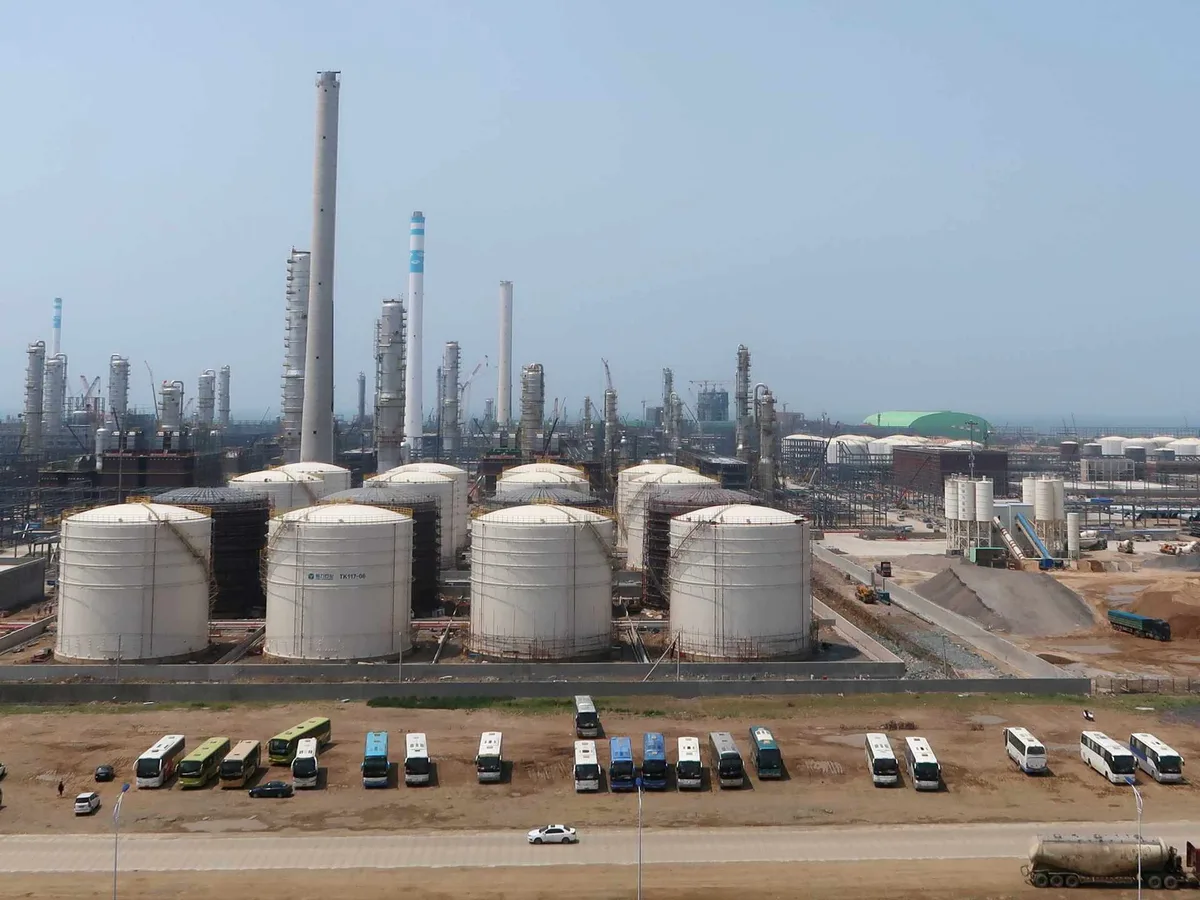
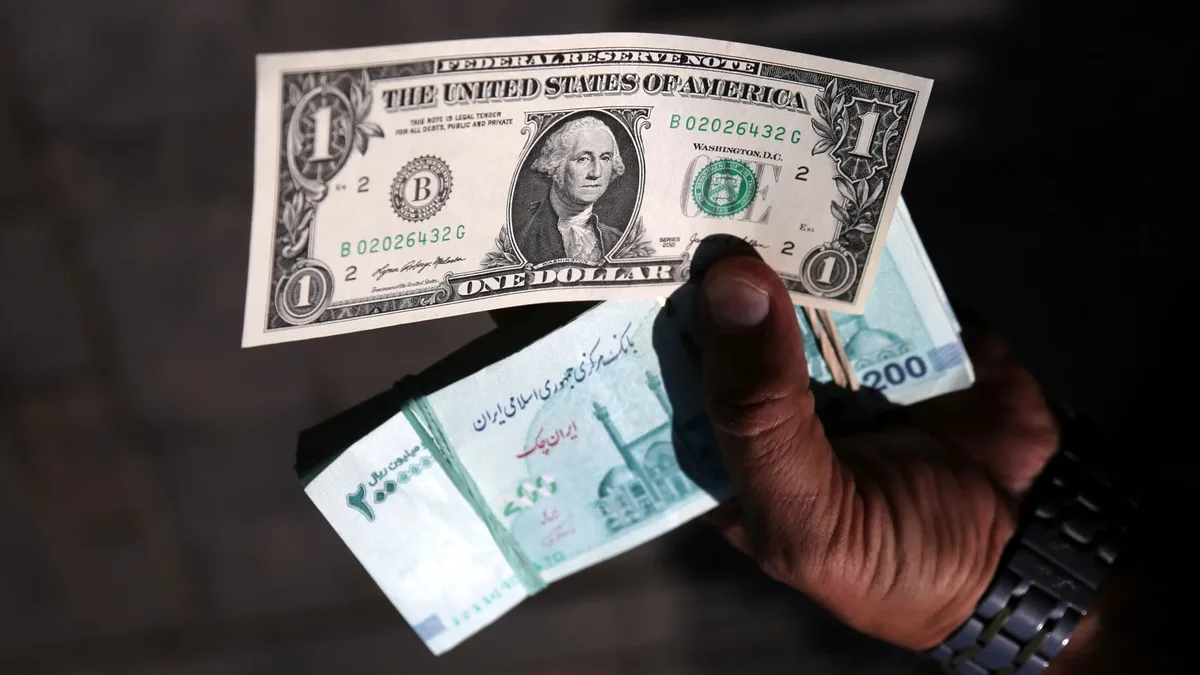
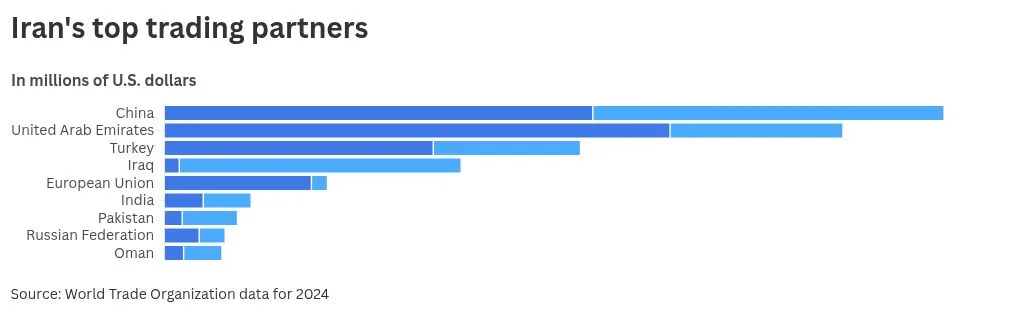
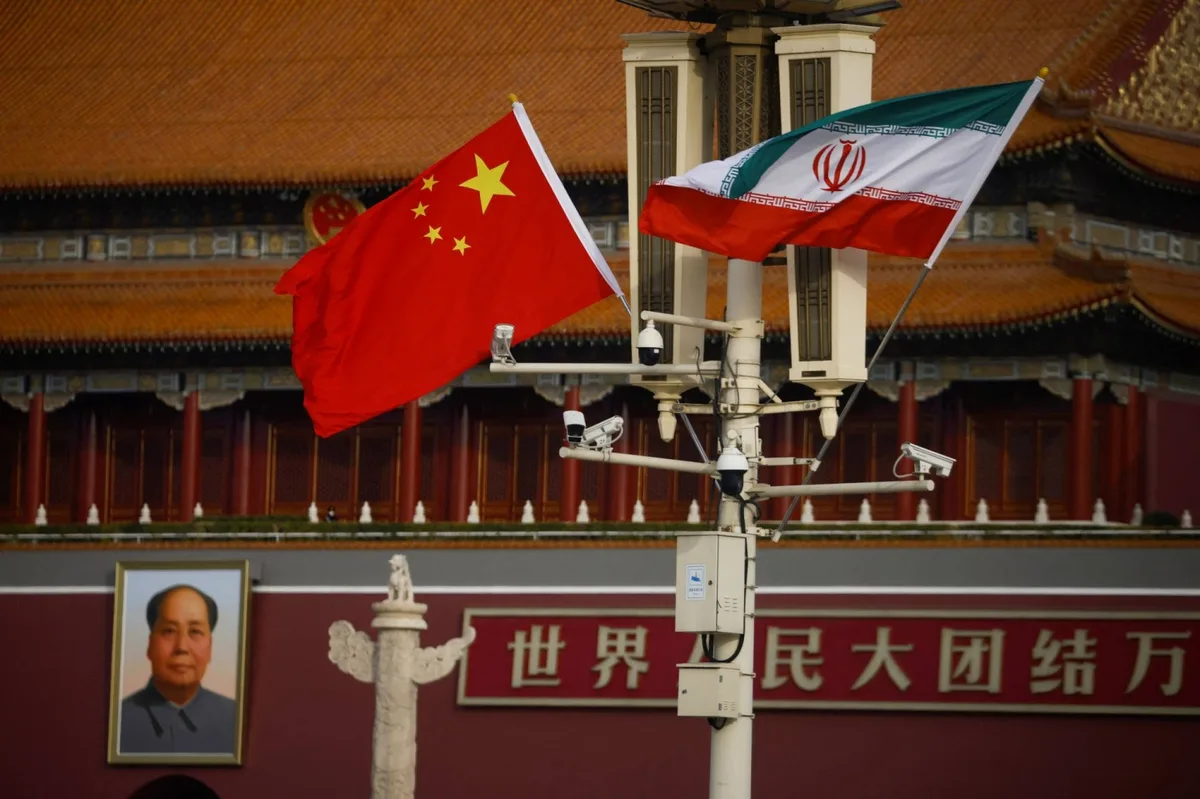
China is Iran’s largest trading partner and the biggest buyer of Iranian oil, accounting for about 90% of Iran's oil exports. The US government reported $9.96 billion in China-Iran bilateral trade in 2025, excluding an estimated $31.2 billion of Iranian crude oil exports to China via indirect channels [2, 4, 5].
Chinese state-owned refiners generally comply with US sanctions on Iranian oil, while smaller private Chinese refiners, known as "teapots," continue to import Iranian crude. These imports are often rebranded and settled through intermediaries. The US Treasury has sanctioned some of these private refiners this year but has not sanctioned major Chinese financial institutions [4, 5].
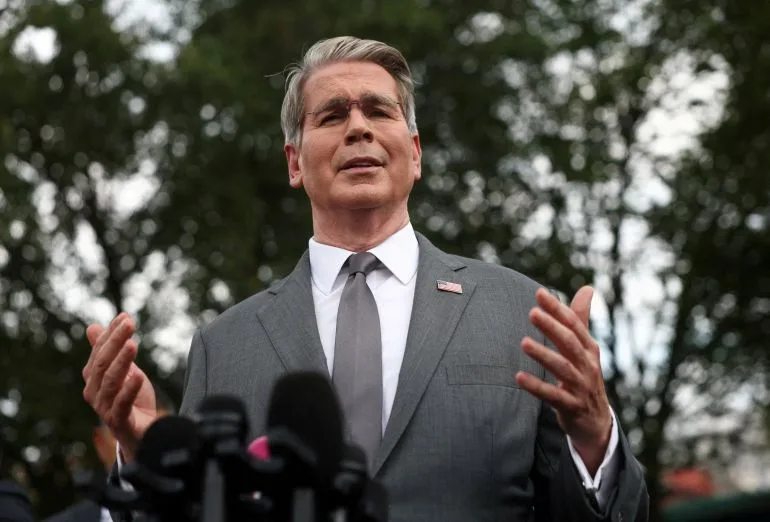
On August 24, US Treasury Secretary Scott Bessent warned of the upcoming economic sanctions campaign targeting Iran and key partners including China, saying the US would leverage "every agency, every authority and action many assumed we would never summon" to pressure Iran [2, 3]. As part of the crackdown, the US announced new sanctions against Chinese companies involved in Iran’s oil trade [5].
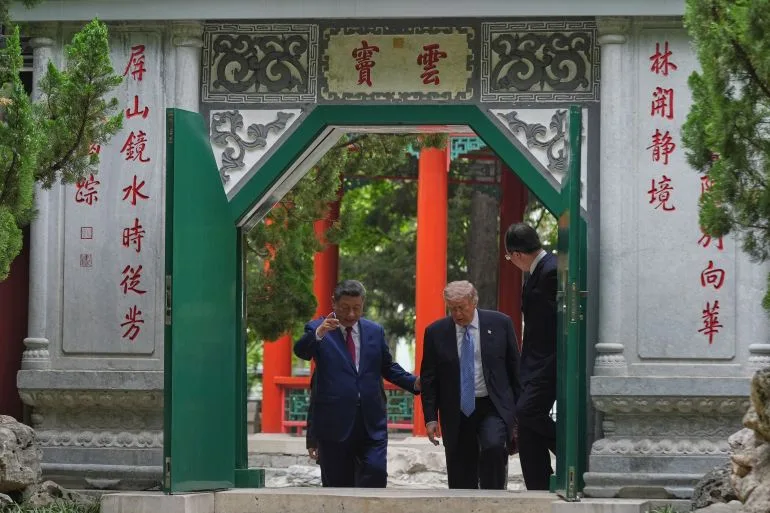
China officially opposes US unilateral sanctions without UN authorization. Chinese Foreign Ministry spokesman Lin Jian warned that such economic warfare "would only serve to fuel tensions and lead to risk spillover," and stated China would "do everything necessary to firmly safeguard its rights and interests" if Chinese companies are impacted [1]. On August 25, China reaffirmed its opposition and warned of retaliation measures [1, 5].
Analysts remain skeptical about whether the Trump administration will fully target China, given the risk of blowback to the fragile US-China trade truce. Sanctions expert Brett Erickson said, "If the United States decides to really bring China into the ring, it will be a serious indication that the United States plans to wage this economic war for a prolonged period of time" but noted that failure would signal the limits of sanctions on Iran [2]. Wang Dong, a Peking University scholar, said Beijing would defend its interests but questioned if the US threat was serious or a negotiating tactic, while Nanjing University’s Zhu Feng said, "From a Chinese perspective, we don't want to get involved in a US-Iranian fight" [5].
The UAE, another major Iranian trading partner with bilateral trade valued at $28 billion in 2024, suspended all trade and financial dealings with Iran on August 25 following unspecified incidents [4].
The US sanctions campaign begins full implementation immediately, with new financial penalties and trade restrictions targeting Iran’s global financial links and oil trade partners.