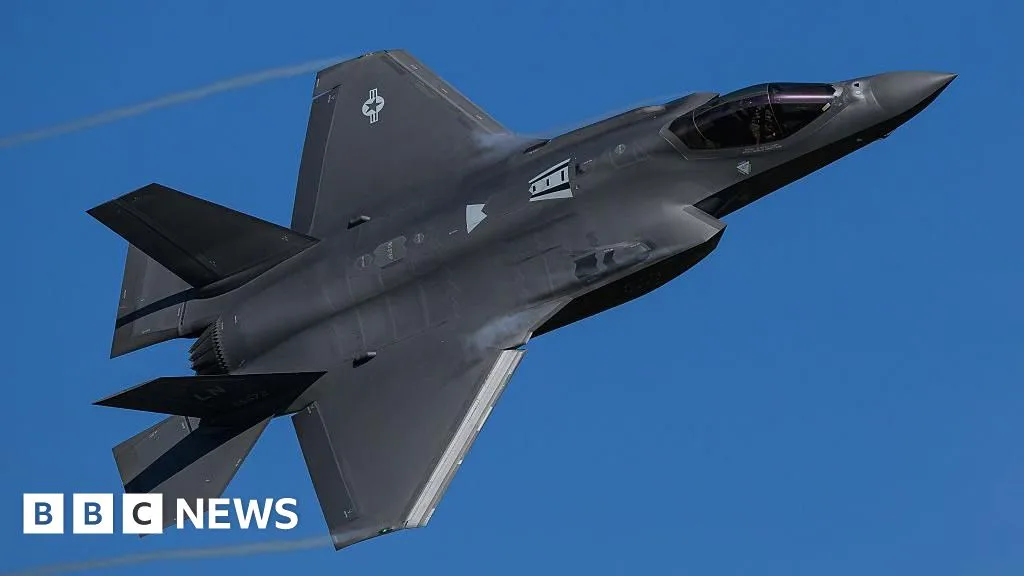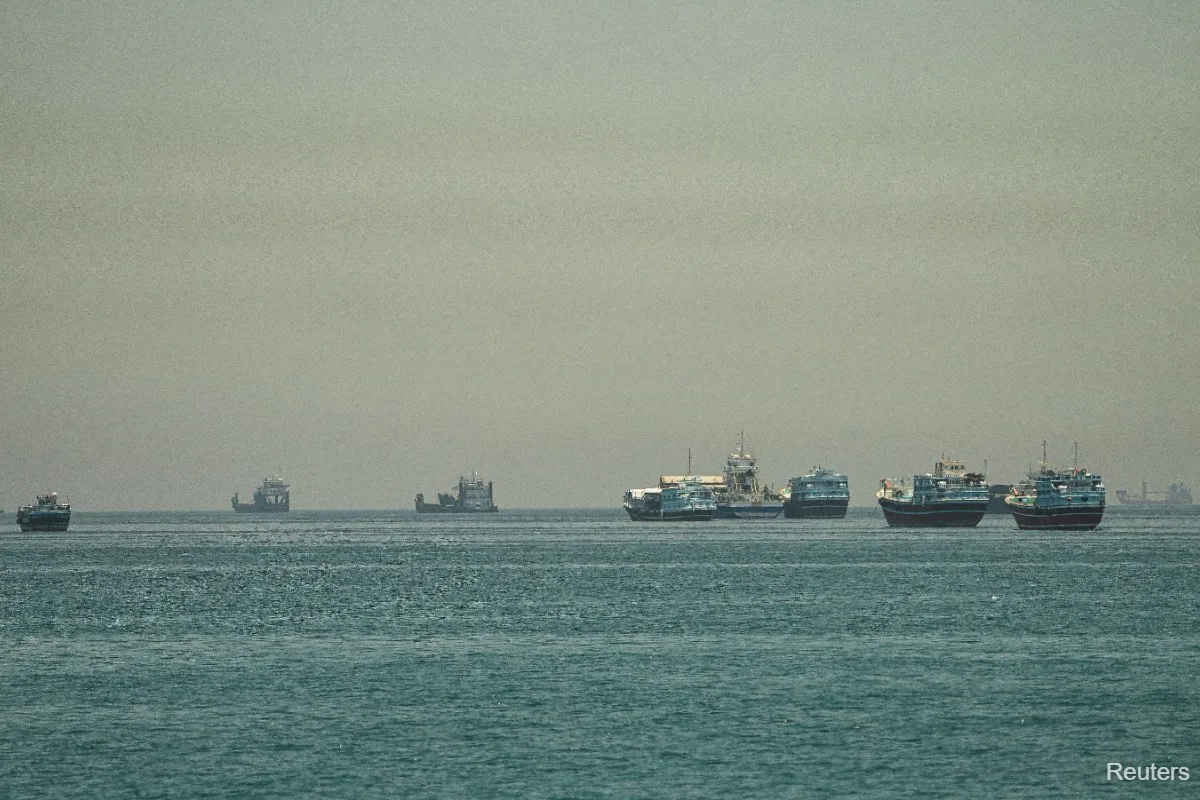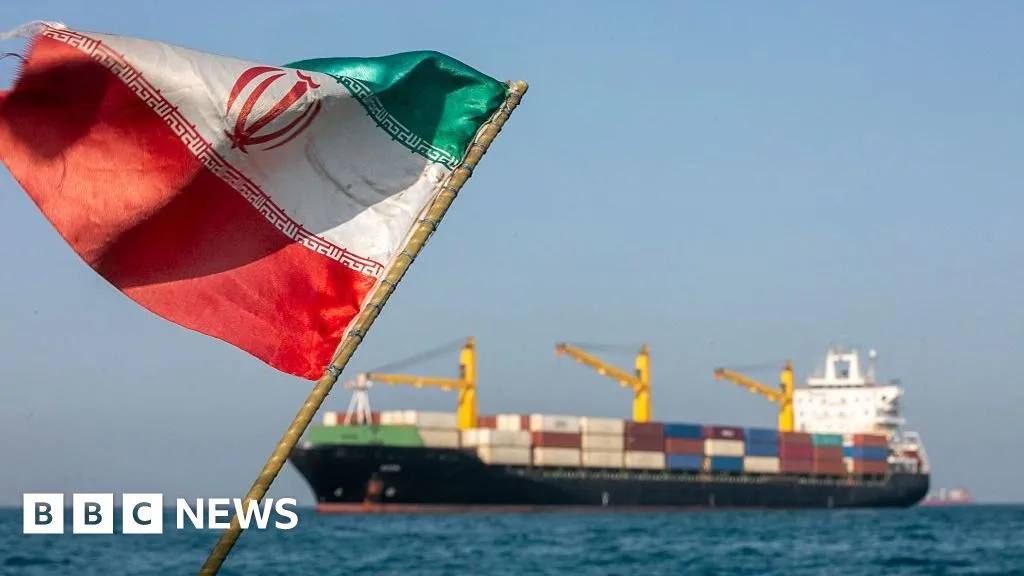
The US military conducted strikes on southern Iran targeting missile launch sites and boats attempting to lay mines near Bandar Abbas, a strategic port on the Strait of Hormuz, on May 24 and 26 [1, 2, 3, 4, 5, 6]. US Central Command described the actions as defensive moves to protect American troops from threats posed by Iranian forces during the current ceasefire [1, 2, 3, 4, 5, 6]. Capt Tim Hawkins, a US Central Command spokesperson, said, "US forces conducted self-defence strikes in southern Iran today to protect our troops from threats posed by Iranian forces" [4].
The strikes included shooting down four Iranian one-way attack drones and targeting an Iranian ground control station near Bandar Abbas that was preparing to launch a fifth drone [2, 7, 8, 9]. These events occurred after a ceasefire between the US and Iran took effect on April 8, following three months of fighting that began with US and Israeli strikes on Iran on February 28 and escalated tensions in the region [1, 2, 4, 7, 8].
Iran condemned the US strikes as a "gross violation" of the ceasefire and vowed to respond to any hostile acts [2, 10, 9]. The Islamic Revolutionary Guard Corps claimed to have retaliated by targeting a US airbase in the area, but US officials have not confirmed any damage or retaliatory strike [2, 9]. Iranian President Masoud Pezeshkian praised the country's military capabilities following the US strike [10].
Iranian negotiators are currently engaged in peace talks in Doha with regional leaders aiming to end the conflict [1, 4]. Iranian foreign ministry spokesman Esmail Baqai said progress has been made but added, "to say that this means the signing of an agreement is imminent - no-one can make such a claim" [1]. US President Donald Trump expressed cautious optimism about ongoing talks but said he was not rushing into a deal, stating, "They thought they were going to out-wait me, you know. ‘We'll out-wait him. He's got the midterms.’ I don't care about the midterms" [1, 2, 5, 9]. Trump also reiterated demands for Iran's enriched uranium stockpile to be turned over to the US [5].
The recent US strikes caused a spike in global oil prices, with Brent Crude nearing $98 a barrel before easing [9]. The conflict, which has involved strategic choke points at the Strait of Hormuz, has disrupted global energy markets since late February [1, 4, 7]. US forces continue to monitor the situation closely as peace talks proceed.