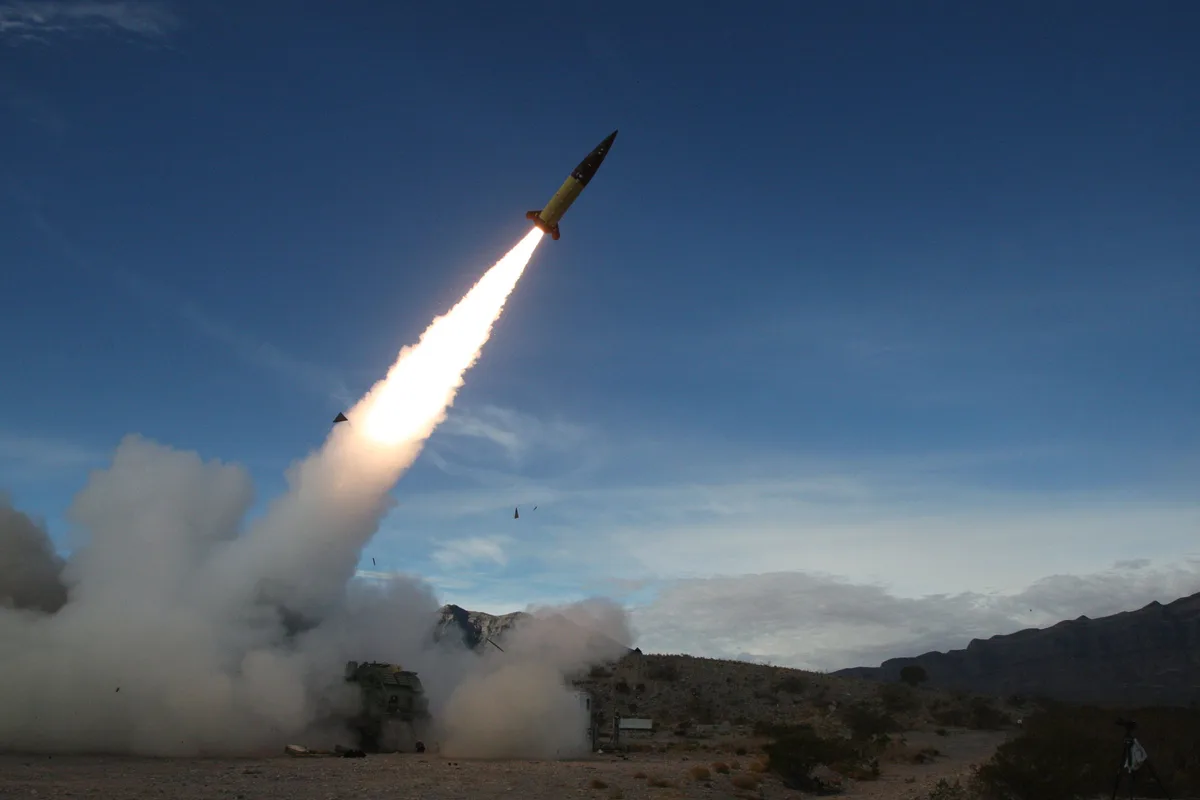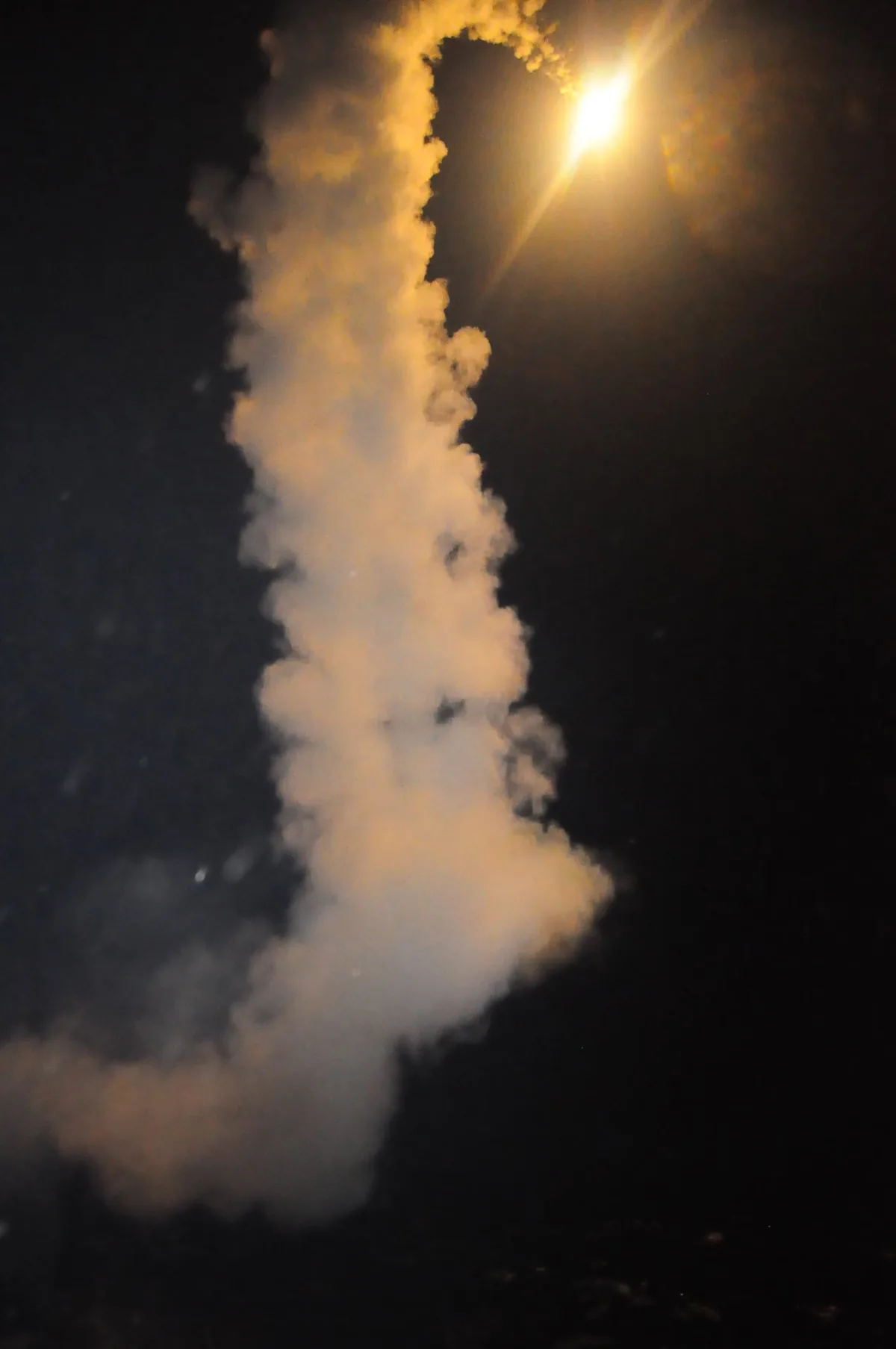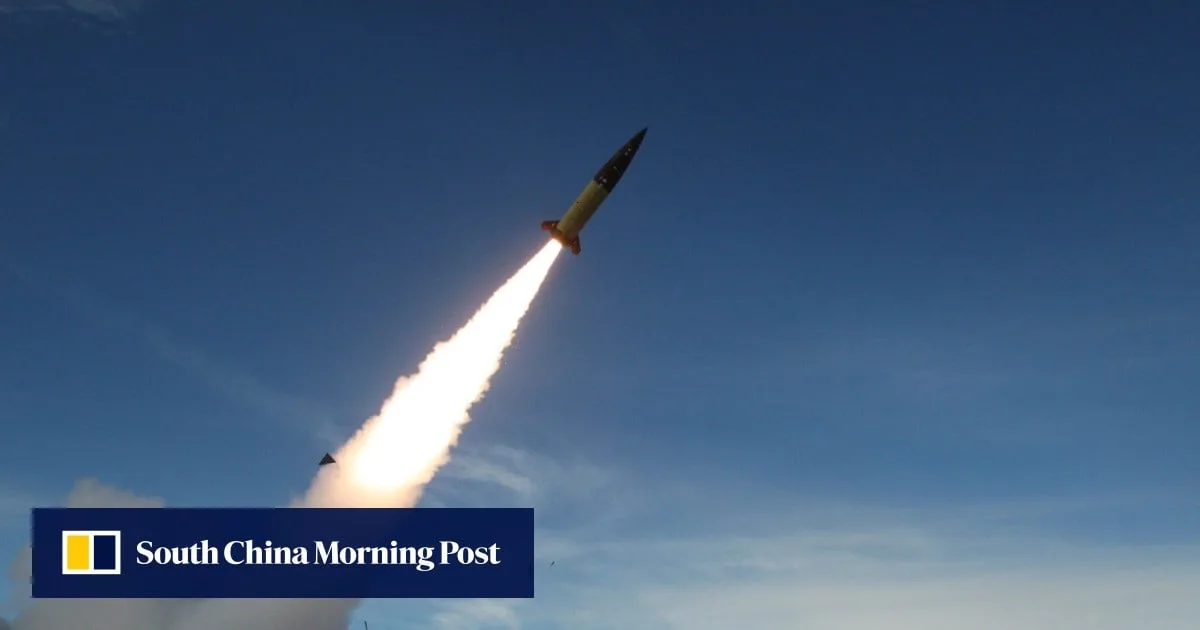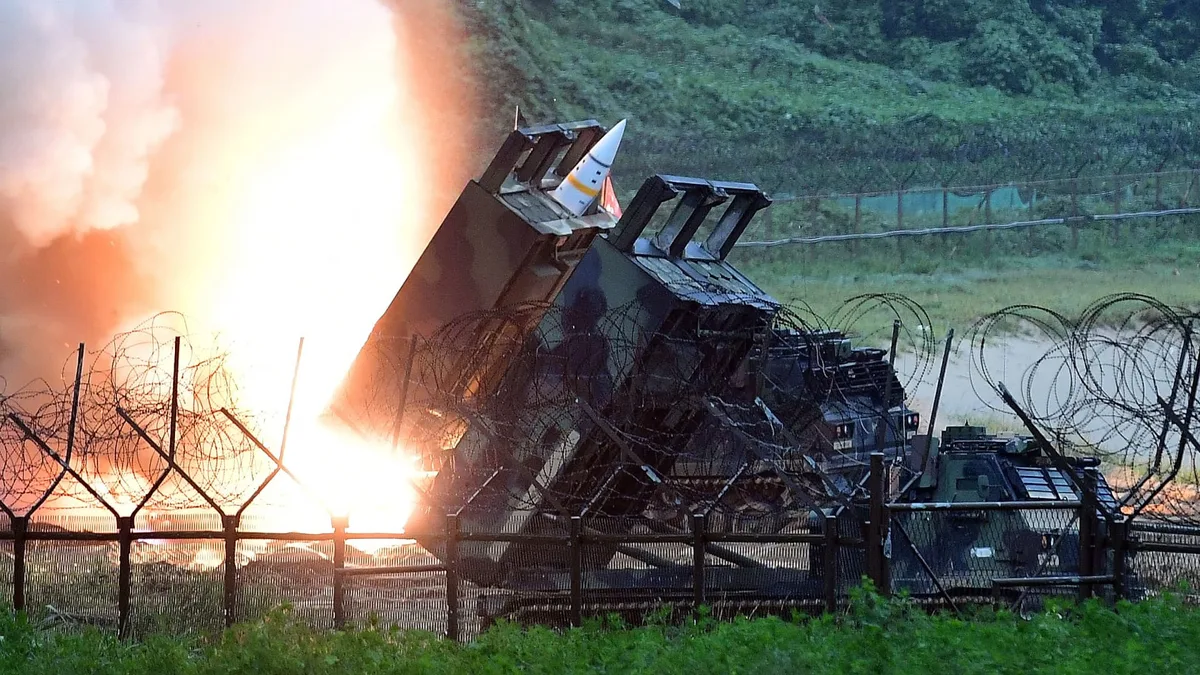
The US Army has almost depleted its stockpile of long-range precision missiles, including Army Tactical Missile Systems (ATACMS) and Precision Strike Missiles (PrSM), after five months of war with Iran, according to multiple sources [1, 2, 3]. Two officials said the US has used "virtually all" of these missiles in the conflict [1, 2, 3].
US Central Command in the Middle East has nearly exhausted its pre-war land-based missile stock but is replenishing supplies from other US military stocks worldwide [1, 2, 3]. Some missile types, such as ATACMS and PrSM, cost over $1 million each to produce and represent a significant investment [1, 2, 4].
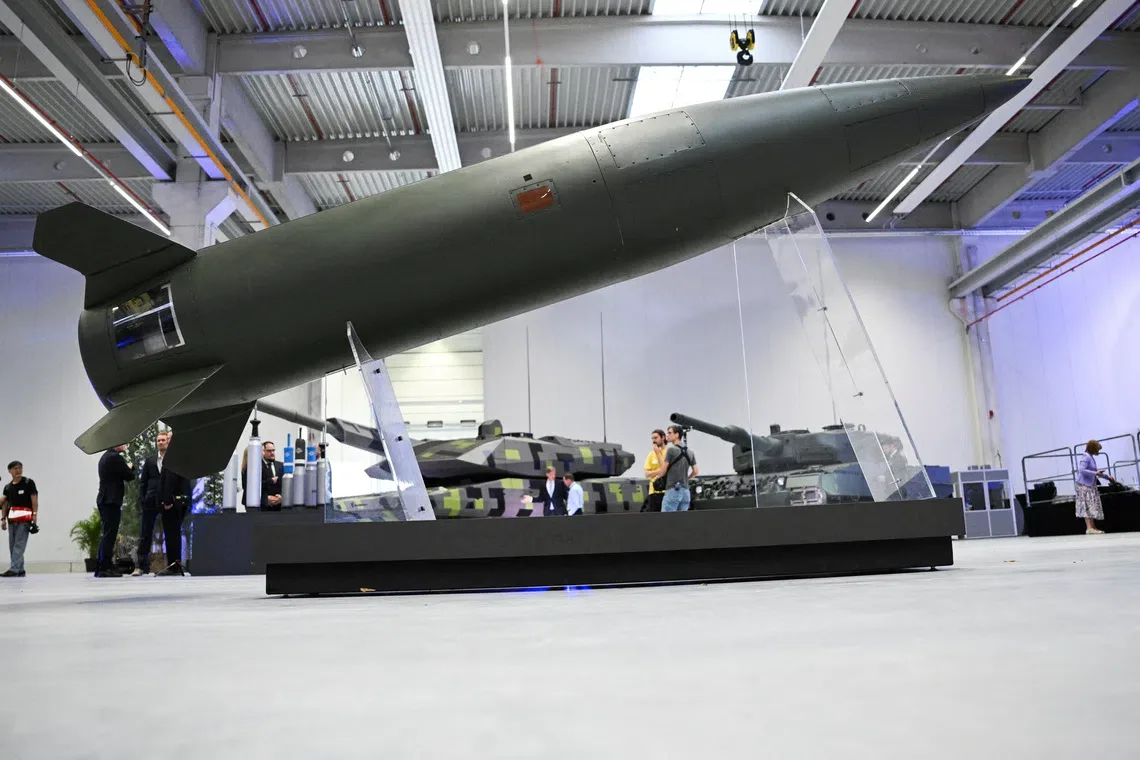
The PrSM is a newer missile designed to replace the shorter-range ATACMS, which have also been supplied to Ukraine for strikes inside Russia [1, 2, 4, 3]. Despite President Donald Trump's February launch of the war jointly with Israel expecting a short conflict, the extensive use of these costly munitions has strained US inventories [1, 2, 3]. Trump said, "The U.S. had far more munitions than anyone in the world and far more than we need. Our defense companies are, at this moment, making more munitions than they have ever made before, in addition to expanding their plants and equipment at record levels" [1].
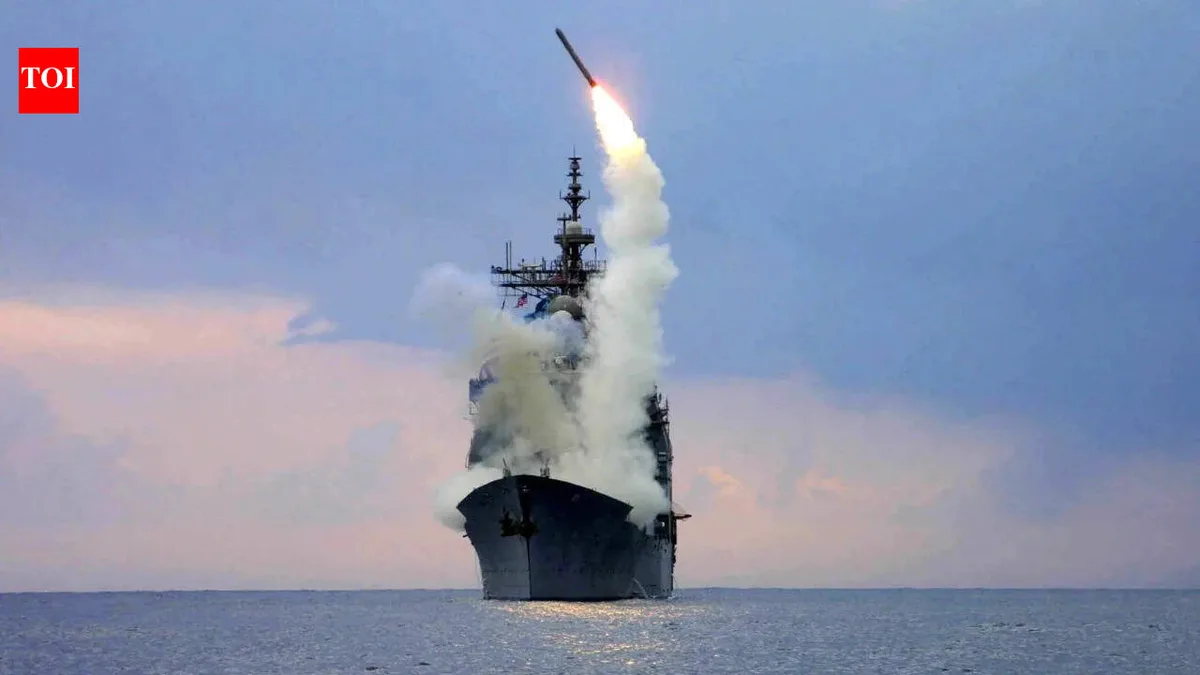
A recent assessment by the Center for Strategic and International Studies (CSIS) found significant depletion of related missile interceptors as well. Between February and July, around 65% of Patriot interceptors were used, and at least 38% of THAAD interceptors were depleted [3, 5]. Estimates show that over half of some US weapon stockpiles have been expended in the Iran war, with just over half of precision strike missiles remaining and nearly one-third of Tomahawk missiles left [5].
Mark Cancian, a retired U.S. Marine Colonel and CSIS senior adviser, said, "We can go on against Iran for quite a long time, even if we've used half the inventory, that means that half the inventories are still available. The risk is about a future conflict in the Western Pacific against China... The depletion of munitions was a major topic and a major reason for the suspension of air attacks. Our inventories were getting way below what the war planners wanted, that might encourage China to do something" [5].
Rep. Michael McCaul, R-Texas, stressed the strategic importance of maintaining ample stockpiles, saying the US defense industrial base "needs to be fixed at a very critical time in our history with the conflict in the Middle East... President Xi of China is watching our stockpiles very closely as he contemplates threatening behavior towards the Taiwan straits and so. It all kind of factors in together here. And to be a strong United States, we need a strong military and project strength abroad" [5].
The US military and defense industry are expanding production plants and equipment to address the supply shortages and restore munitions levels [1, 2, 5]. News reports on August 4 revealed the near exhaustion of US long-range missile stockpile in the Iran war, prompting concerns about readiness for other global conflicts [1, 2, 4, 3, 5].