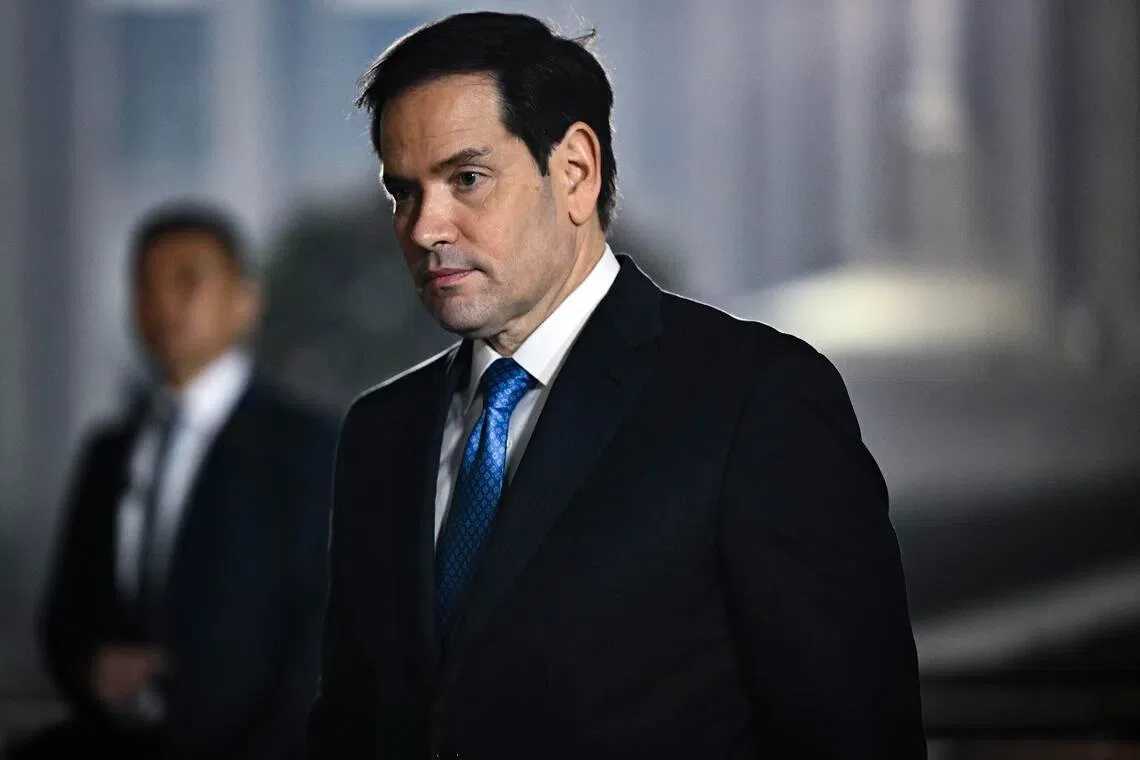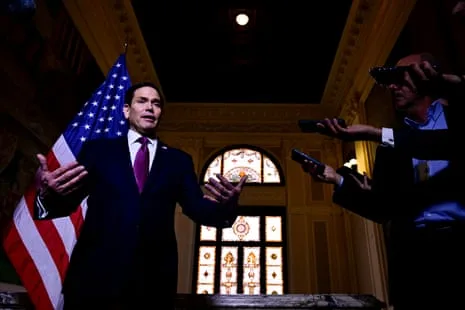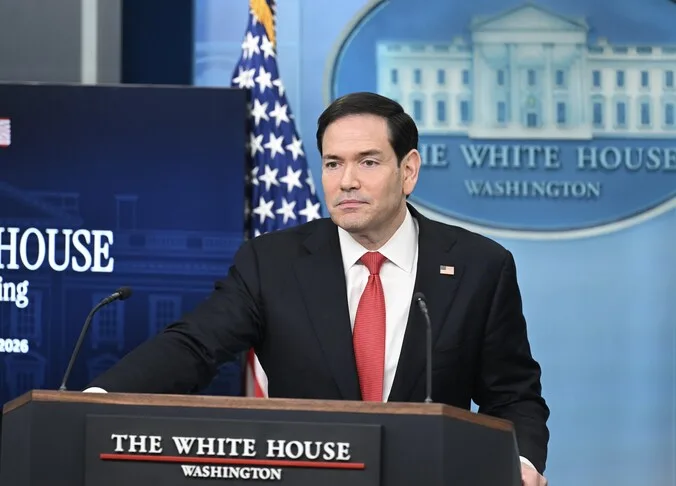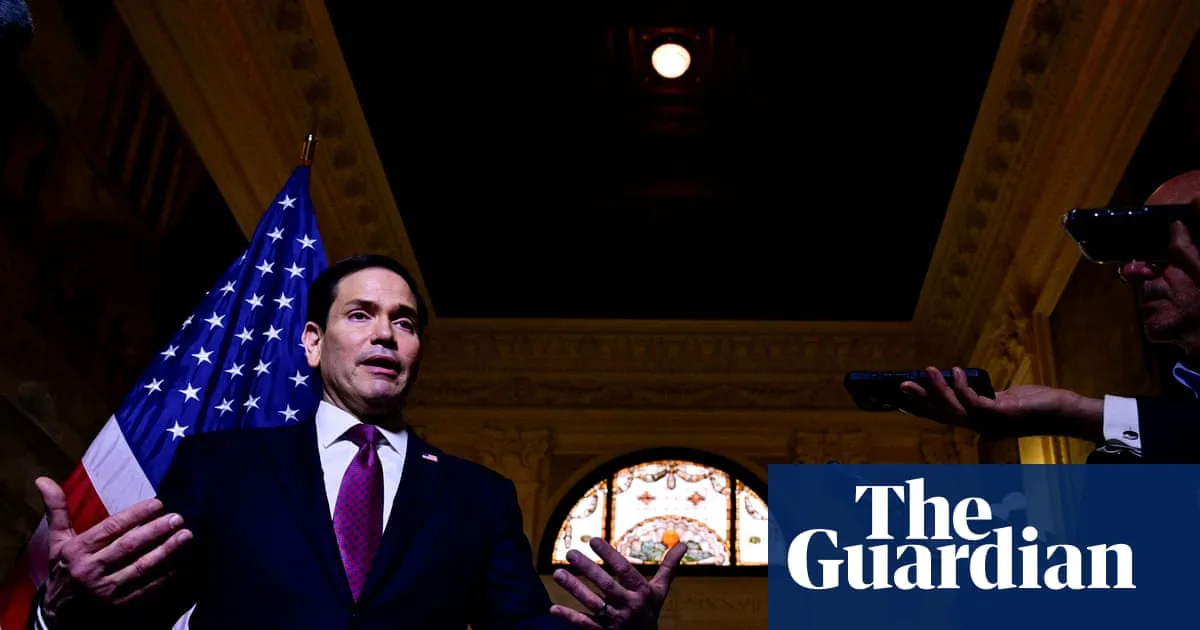
US Secretary of State Marco Rubio said the World Health Organization was "a little late" in identifying the Ebola outbreak in the Democratic Republic of Congo and Uganda, where 131 deaths have been reported as of May 19, 2026 [1, 2]. He said, "The lead is obviously going to be CDC (the Centers for Disease Control) and the World Health Organization, which was a little late to identify this thing unfortunately" [1]. An anonymous senior State Department official said WHO took 10 days to confirm the outbreak, causing a delay in the response. "We are now four days into our response; we could have been 14," the official said [2].
Rubio also sharply criticized WHO's handling of the COVID-19 pandemic, accusing the organization of "covering for China" during the crisis. He said, "The World Health Organization has unfortunately not done well around the world. I think they failed miserably during COVID. They covered for China, and that's how we're getting out of it" [3]. The US withdrew funding from WHO in 2025 under President Donald Trump, a move that led to the loss of about 2,000 WHO jobs, nearly one-quarter of its workforce, affecting its capacity [1].
The Ebola outbreak involves the Bundibugyo strain, which WHO estimates has a fatality rate ranging from 1% to 50% [3]. Symptoms include fever, muscle pain, rash and sometimes bleeding. Ebola spreads through direct contact with bodily fluids [3]. Uganda has reported two confirmed cases, including one death in Kampala involving a traveler from Congo [3]. The CDC along with WHO are leading the response to the outbreak [1, 2]. WHO expressed concern over the outbreak's scale and speed in the two countries [1, 2].
The US announced a commitment of about $13 million to open 50 Ebola treatment clinics in the DRC and Uganda aimed at containing the virus locally. Rubio emphasized, "Our number one objective on Ebola … we can't have it affect the United States. We can't have Ebola cases coming here" [1, 2, 3]. Starting May 21, the US imposed new entry restrictions requiring all US citizens and lawful permanent residents arriving from Congo, Uganda, and South Sudan to enter through Washington Dulles International Airport for enhanced screening [3].
Some experts have defended WHO, noting the challenges it faces. Immunologist Gigi Gronvall said, "Blaming the WHO is misplaced, because they are operating with limited resources in a difficult setting with many security challenges" [1]. Still, disagreements persist about WHO's response time and performance during Ebola and COVID-19, with Rubio and others criticizing what they see as organizational failures [1, 2, 3].
The new US entry restrictions and expanded funding for Ebola clinics in central Africa are set to take effect today, underscoring the urgency of the ongoing outbreak response.