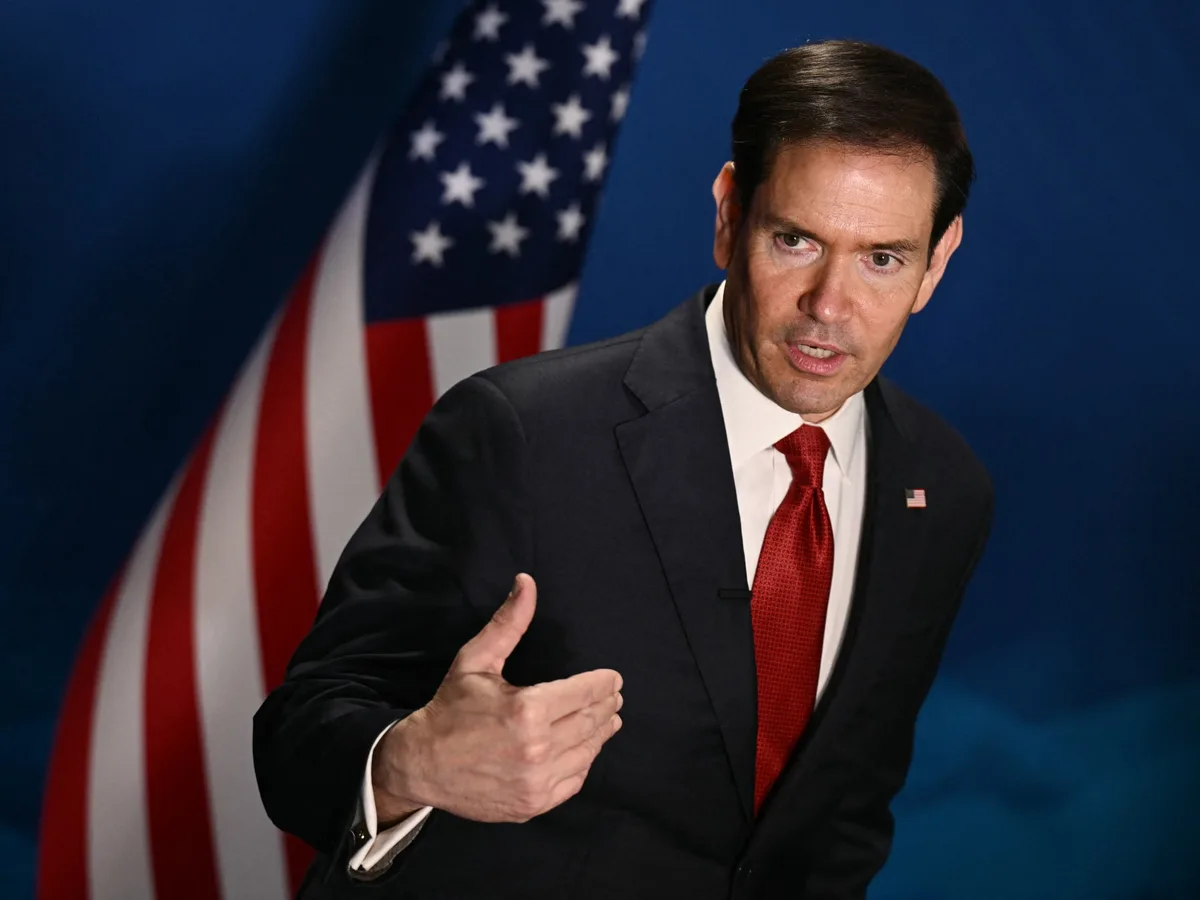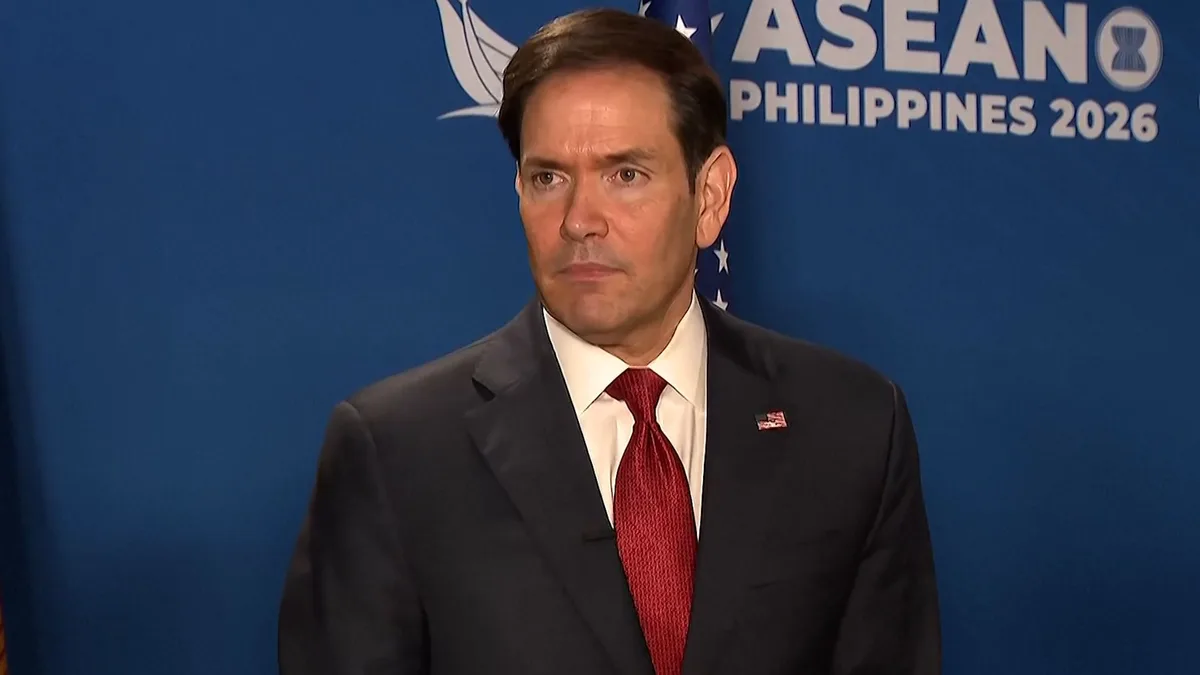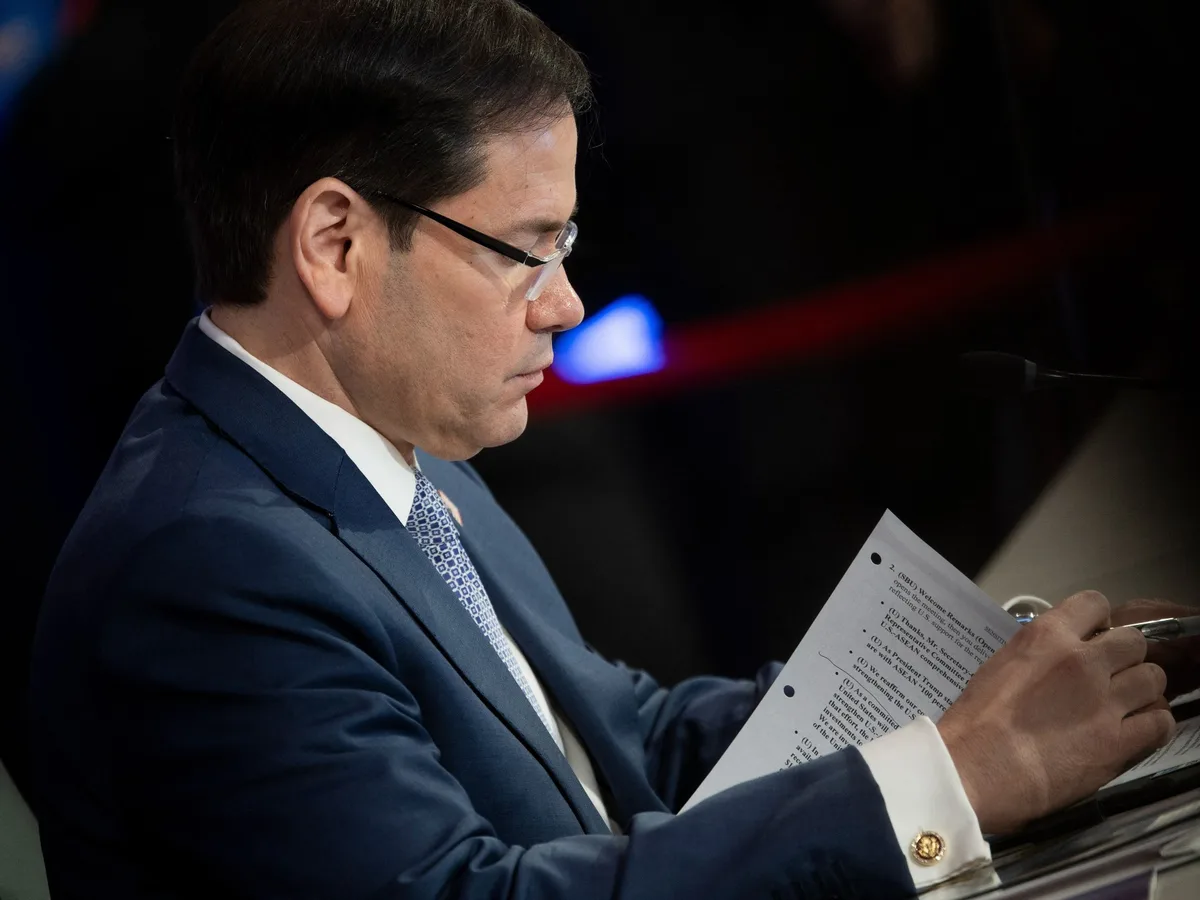
US Secretary of State Marco Rubio stated on July 22 at an ASEAN meeting in Manila that the United States remains open to positive and constructive negotiations with Iran, provided Tehran honors its commitments. "The United States remains open and willing to engage in positive and constructive negotiations and discussions, provided that the commitments made are honoured," Rubio said [1, 2, 3].
However, Rubio accused Iran of lacking seriousness in talks. "The problem we're having right now is that they're not serious about talks. If they're serious, we're serious. If they're not, then we will do what’s necessary to protect our interests and also the interests of our allies," he added [1, 2, 3]. On July 23, Rubio said Iran is "begging us, both directly and indirectly, 'Let’s do a deal. Let’s talk.' The problem with Iran is every time they make a deal, the people in charge either break it or they want to change it." He stated Tehran is not ready to reach an agreement and continues violating existing ones [4].
Rubio described Iran as governed by radical clerics who use their resources to fund regional militant groups such as Hezbollah, Hamas, the Houthis, and various Shia militias [4]. He emphasized that the US policy under President Trump is "a head for an eye" response to Iran's "eye for an eye" rhetoric [4, 5]. Rubio also claimed Russia is not aiding Iran's weapons programs and that the Houthi movement in Yemen was misled by Iran into attacking shipping, though this assessment is of medium confidence [4].
The US has conducted military strikes on Iranian targets for at least 11 consecutive nights as of July 22 [1, 3]. President Trump has threatened renewed attacks on Iran's nuclear facilities at Natanz, raising the stakes in the dispute [1]. Rubio warned strongly against Iran’s demand to control the Strait of Hormuz, a key global shipping route, saying, "If we create a precedent in the Middle East where a nation state can decide that they are going to control an international waterway and, if you don’t pay them, blow up your ships, we have created a very dangerous precedent" [1, 3].
Iran continues to face severe economic troubles, including hyperinflation, rising food costs, and damage to military infrastructure [6, 4]. Rubio said the US prefers a diplomatic settlement where Iran stops sponsoring terrorism and abandons ambitions for nuclear weapons. "The president has many options available to him if they continue to insist on not being cooperative. And I won't get ahead of the president on any of those," he said [7].
The US and Iran signed a memorandum of understanding on June 17 establishing a 60-day negotiating window on nuclear, missile, and shipping issues [3]. The next steps will depend on Tehran’s willingness to engage seriously within this timeframe.