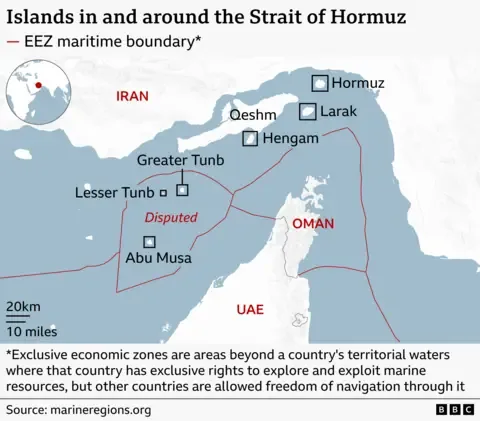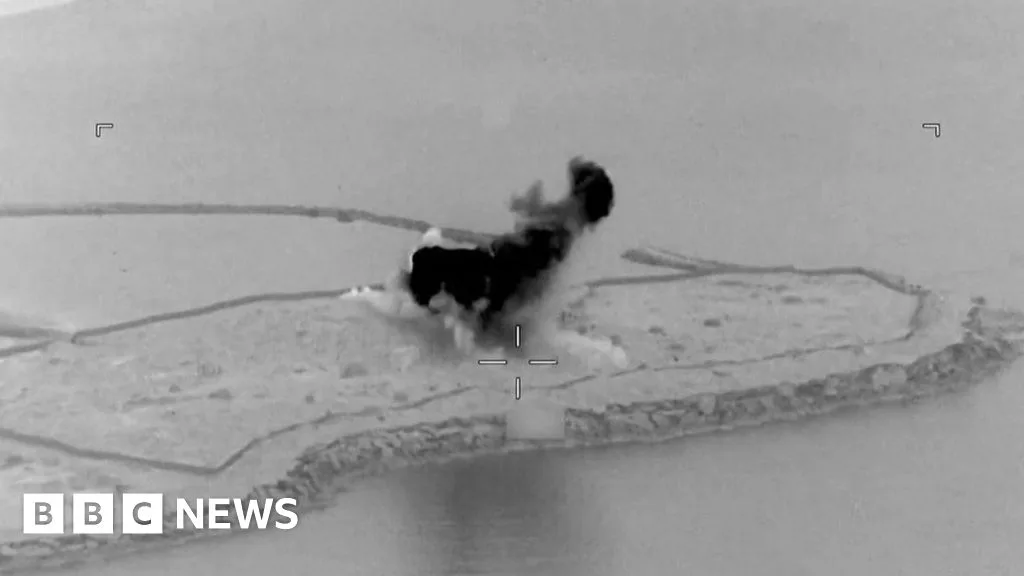
US military forces shot down four Iranian drones launched toward the Strait of Hormuz on June 5 and struck Iranian coastal surveillance radar sites at Goruk and Qeshm Island the same day, according to US Central Command (CENTCOM) and multiple official sources [1, 2, 3, 4, 5]. The drones posed an immediate threat to regional maritime traffic, CENTCOM said [1].
In response, Iran fired seven ballistic missiles at US military bases in Kuwait and Bahrain on June 6. The US intercepted six of the missiles, with one reportedly missing its target [1, 6, 7, 8]. The Iranian Revolutionary Guard Corps (IRGC) stated it targeted US bases and four tankers attempting to transit the Strait without permission, as retaliation for the US strikes [1, 5, 7]. CENTCOM said there were no reported injuries to US personnel and dismissed Iranian claims of damage to the US 5th Fleet headquarters in Bahrain as false [6].
These exchanges mark a sharp escalation amid a fragile ceasefire between the US and Iran that has lasted since April 8 following heavy US and Israeli strikes against Iran in late February that destabilized the region [1, 2, 7]. Although indirect negotiations have been ongoing since April to extend the ceasefire and reach an interim deal, talks have stalled amid ongoing skirmishes and mutual distrust [1, 2, 3, 5, 7, 9, 8].
Iran demands access to about $24 billion in frozen oil revenues and lifting of oil sanctions as preconditions for any agreement [7, 10, 8]. US President Donald Trump acknowledged Iran retains about 21 to 22 percent of its missile inventory despite prior US strikes [2, 3, 4, 5]. Trump said, “They still have capacity. They have some missiles, they have some drones. I would say, percentage wise, maybe 21, 22% of their missiles.” [2] He added, “We’re going to come out of Iran very quickly and it’s going to be very strong one way or the other, whether it’s a piece of paper or the very tough way.” [2]
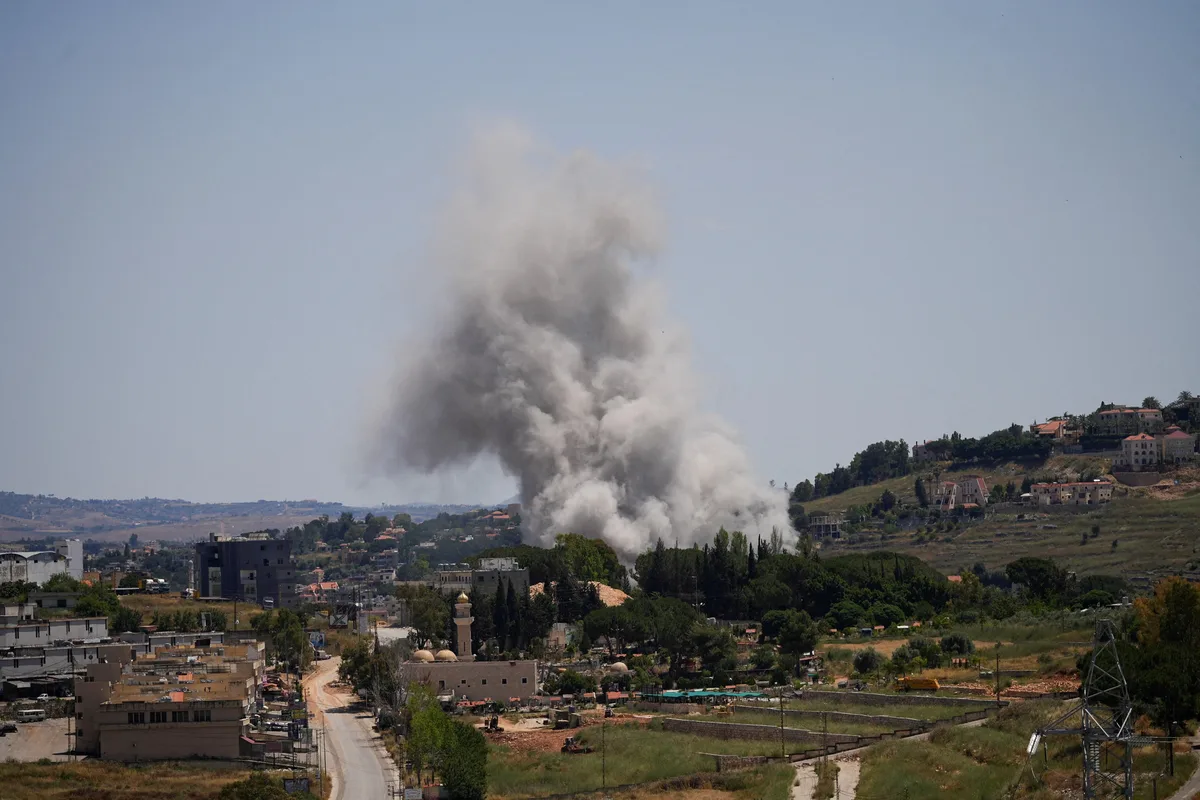
Tensions have also been fueled by Iranian drone attacks on Kuwait’s main airport on June 3 that killed one and injured dozens [2, 6]. The Strait of Hormuz remains a key chokepoint, with about 20 percent of the world’s oil previously passing through it before the conflict [1, 2, 5, 10]. Regional instability is worsened by conflict in Lebanon involving Israeli strikes and Iran-linked Hezbollah [2, 7, 11, 8].
Pakistan’s Interior Minister Mohsin Naqvi arrived in Tehran on June 6 to seek diplomatic progress related to the conflict [8]. The US has issued visas to some Iranian football players for the upcoming World Cup, though some supporting staff visa applications remain pending or refused [6, 8].
The situation remains tense with sporadic attacks and no breakthrough in ceasefire talks more than two months after the original April agreement. The immediate next focus will be on the ongoing negotiations and diplomatic efforts involving regional actors, including the visit from Pakistan’s Interior Minister.