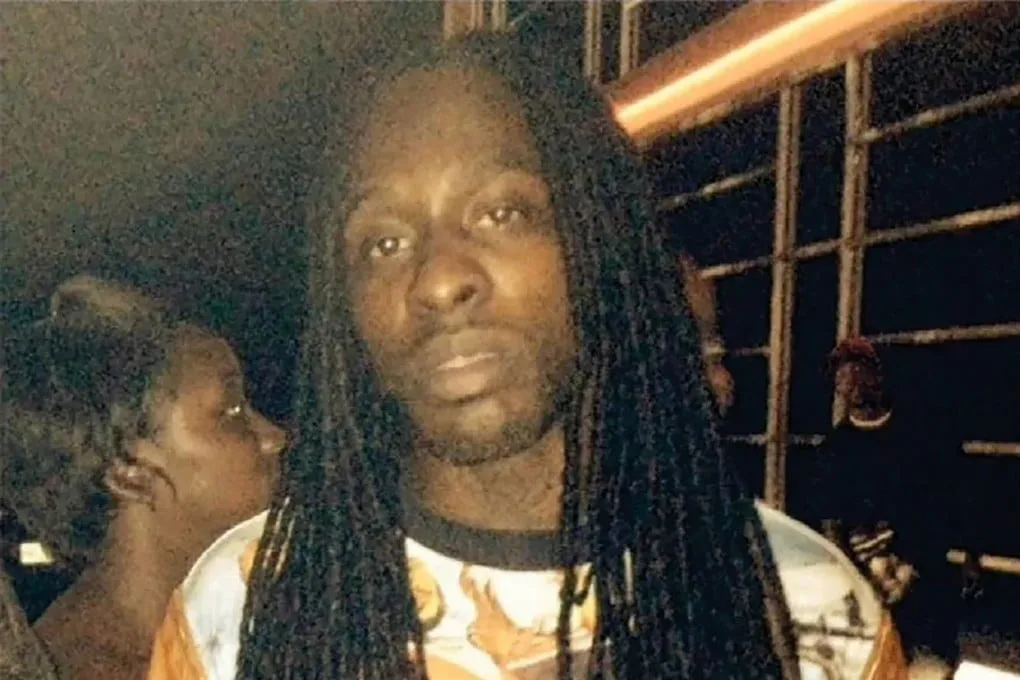
The US Supreme Court on June 23 ruled 6-3 that Damon Landor, a former Louisiana inmate and Rastafarian, cannot sue individual prison officials for forcibly shaving his dreadlocks during his incarceration in violation of his religious beliefs under the Religious Land Use and Institutionalized Persons Act (RLUIPA) of 2000 [1, 2, 3, 4].
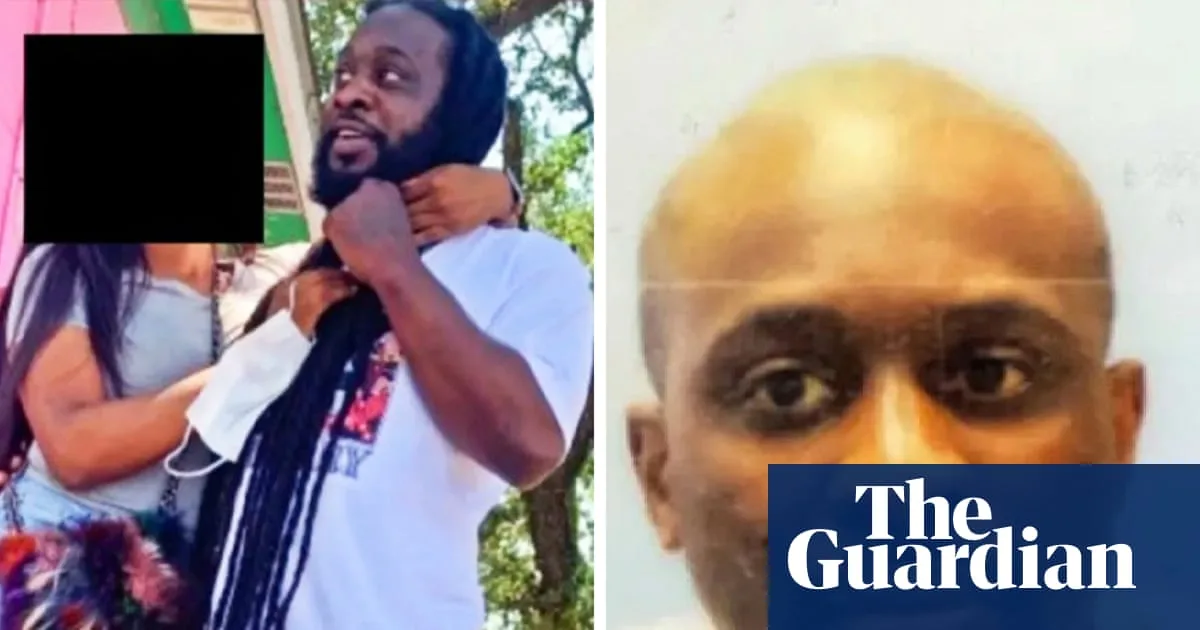
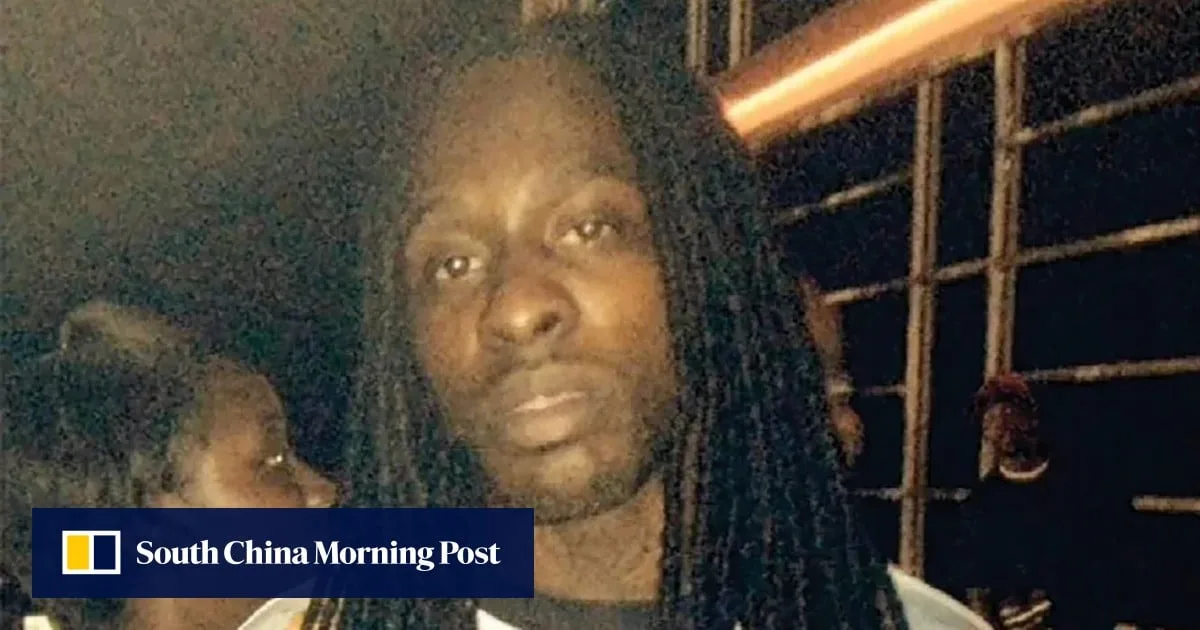
Landor grew his dreadlocks for over 20 years, reaching below his knees, as part of his Rastafarian faith, which forbids cutting hair [2, 3, 4]. In 2020, while serving a five-month prison term at Raymond Laborde Correctional Center in Louisiana on a drug charge, guards handcuffed Landor to a chair, held him down, and shaved his head after he objected on religious grounds [1, 2, 4]. Landor was carrying a copy of a 2017 Fifth Circuit Court of Appeals ruling that found Louisiana’s policy of forcibly cutting Rastafarian prisoners’ hair violated federal law, but a guard confiscated and discarded the document [2, 4].
Justice Neil Gorsuch authored the majority opinion, explaining that under the Spending Clause the federal government cannot impose liability on individual officials without their consent, so claims for monetary damages under RLUIPA against them are barred. He wrote, "Under the Spending Clause, Congress lacks regulatory authority to impose liability on them directly and must depend instead on consent." and "Mr. Landor’s case cannot proceed against them any more than a breach of contract action might proceed against a defendant who never formed a contract." [1, 3, 4]
The Supreme Court’s three liberal justices dissented, disagreeing with the ruling [1, 2, 3].
Landor called the haircut a violation of his faith and dignity. He said, "So when they cut off my hair, they cut off my crown." and "When I was strapped down and shaved, it felt like I was raped." He added, "I am disappointed but not defeated. What happened to me violated my faith and my dignity. I will continue pursuing accountability. What happened to me should not happen to anyone else." [1, 2, 3, 4]
The Religious Land Use and Institutionalized Persons Act (RLUIPA) of 2000 protects the religious rights of incarcerated people and bars religious discrimination by state and local governments [1, 2, 3, 4].
Landor’s case highlights the limits of suing individual officials for damages under RLUIPA despite protections for religious exercise. The ruling closes a key path for inmates seeking personal damages from officers for religious rights violations.
The Supreme Court heard arguments in November 2025 before issuing its decision today [2, 1].