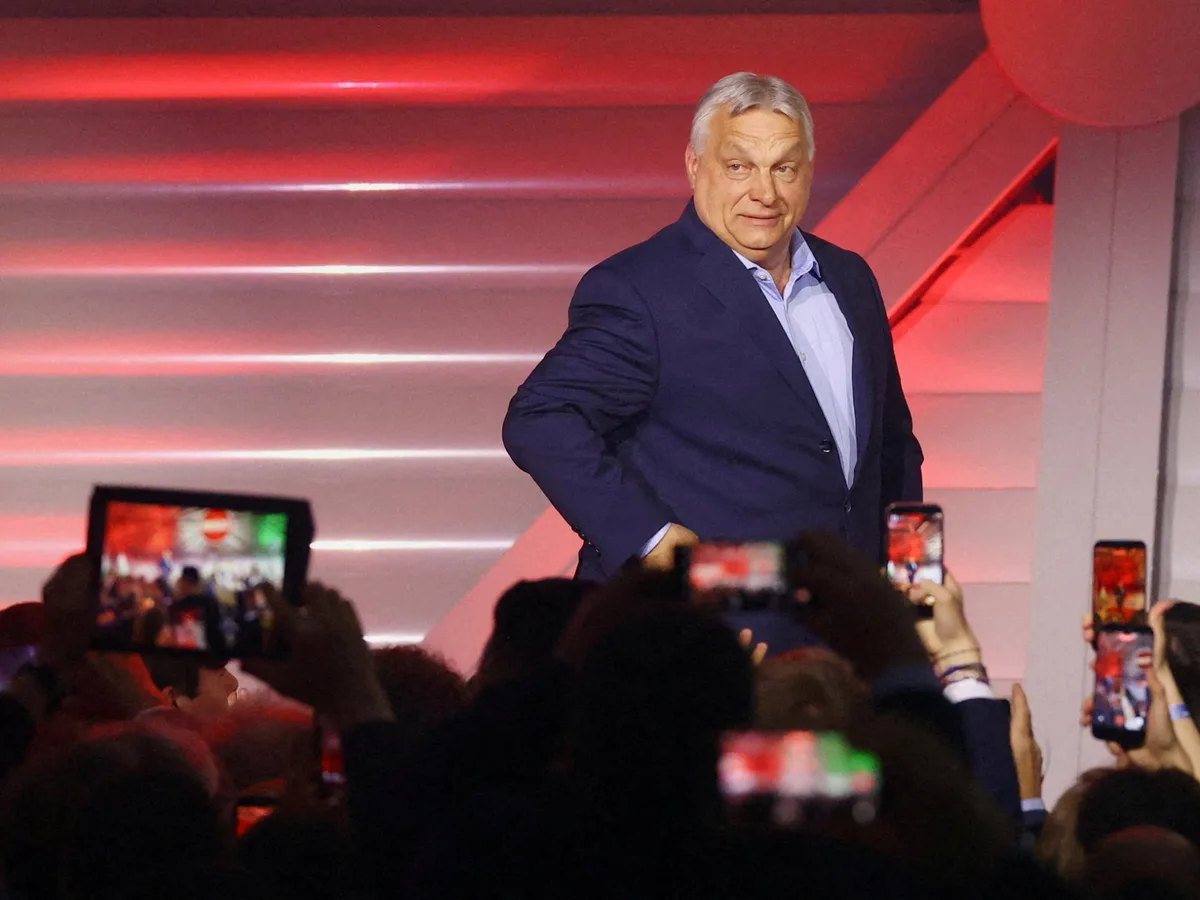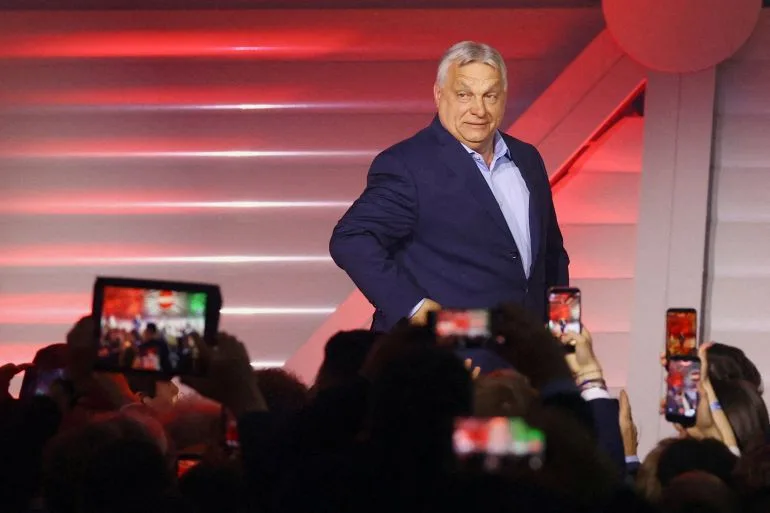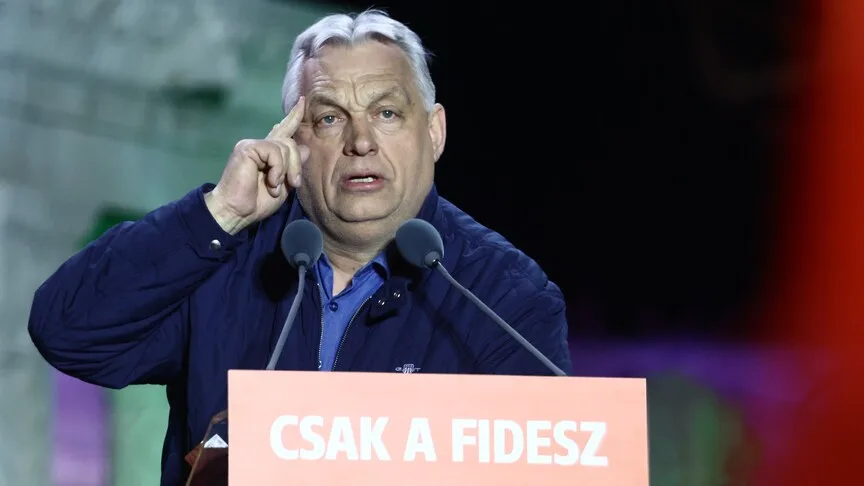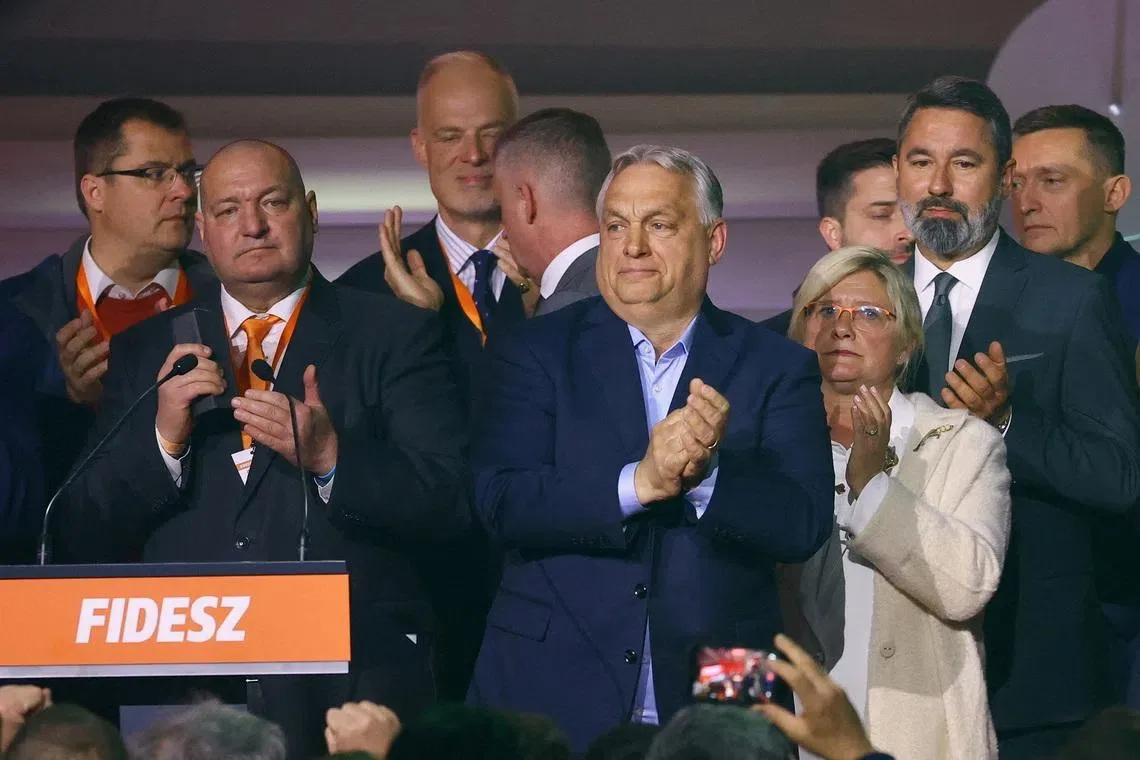
Viktor Orban was re-elected as leader of Hungary’s main opposition party, Fidesz, on June 13, 2026, receiving 729 out of 737 delegate votes at the party congress, running unopposed with some abstentions [1, 2, 3].
Fidesz lost the parliamentary election held on April 12, 2026, to the centre-right Tisza party, led by Peter Magyar, which secured a two-thirds majority in parliament, enough to overturn constitutional changes enacted during Orban’s tenure [1, 2, 3].
Orban accepted full responsibility for Fidesz’s election defeat and vowed resilience, declaring, "I do not give up, I never, never, never, never, never give up" [1, 2]. He described Fidesz as having been a "fantastic governing party" for 16 years but emphasized the need to evolve into an effective opposition now [1, 2, 3].
He criticized past election strategies for underestimating voter turnout, opponents, losing younger voters, and the impact of foreign-controlled social media algorithms [3]. Orban said the party needed comprehensive internal restructuring. He announced plans to "fix Fidesz from the basement to the attic by September," including expanding the party presidency and strengthening local organizations [3].
Following its election win, Magyar’s Tisza party committed to constitutional amendments aimed at removing Orban-appointed officials and dropped Hungary’s veto on Ukraine’s EU accession talks [2]. This shift prompted the European Union to unfreeze 16.4 billion euros in aid to Hungary [2].
Opinion polls from May showed Tisza party support at 55%, while Fidesz’s support fell to 17%, down from 39% before the election [1, 2].
The Fidesz party congress on June 13 marks the start of Orban’s new leadership term as the party adapts to opposition status amid significant parliamentary losses [1, 2, 3].