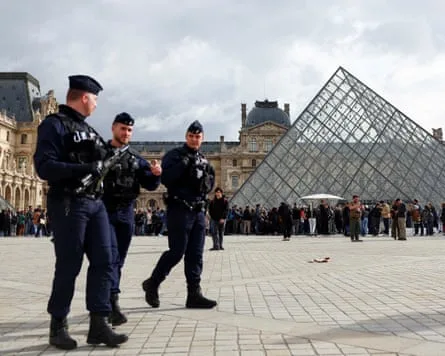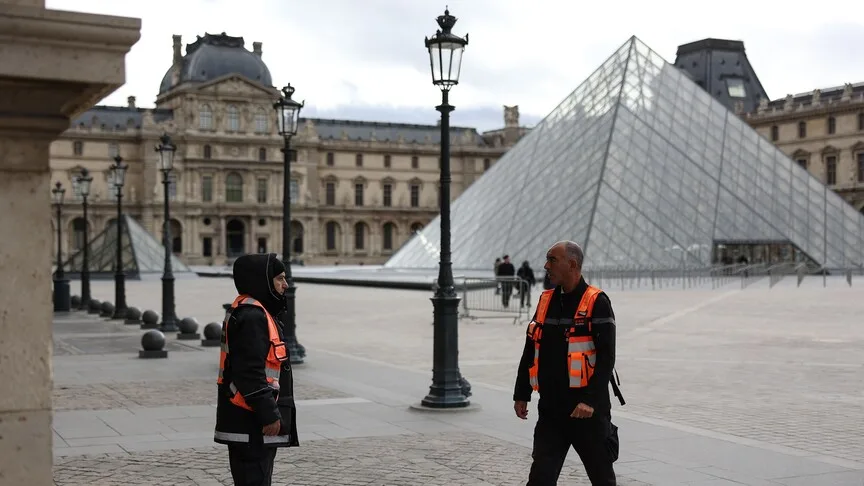
Violent museum heists in Europe have surged, with thieves using guns, sledgehammers, axes, explosives, and intimidation against staff and visitors, Europol said [1, 2, 3]. Experts note a shift from specialist gangs to decentralized, ad hoc groups recruited through social media, often lacking prior criminal ties or central leaders [1, 2, 3].
Criminals increasingly target precious metals like gold and silver, as well as jewelry, which can be melted down or dismantled to avoid detection and resale challenges [1, 2, 3]. The October 2025 Louvre heist in Paris highlighted the trend, with thieves stealing €88 million worth of jewels including Empress Eugenie's tiara [1].
Earlier, in January 2025, explosives were used to steal 2,500-year-old Dacian gold artifacts from the Drents Museum in the Netherlands; most stolen items were recovered except one bracelet [1, 2]. Some heists also focus on ancient Chinese porcelain such as Ming Dynasty vases, prized on the black market for their high value [1, 2].
Europol detailed how offenders "breach premises and display cases using tools such as sledgehammers, axes, crowbars and, in some instances, explosives" [1]. Unlike traditional cultural goods traffickers who tend to avoid violence, current perpetrators often have histories involving other crimes and use firearms or physical assaults, sometimes tying up staff [2, 3].
Previously, organized core groups led by a central figure specialized in nonviolent theft; today, opportunistic criminals recruited via social media dominate [1, 2, 3]. A 2024 incident at the Cognacq-Jay art museum in Paris involved four hooded suspects wielding baseball bats and axes to steal seven gold and diamond objects [2].
Authorities continue to investigate these violent and evolving theft patterns as law enforcement adapts to dispersed, unpredictable offenders. The next key date is unclear, but Europol and local agencies are tracking emerging threats closely to prevent further losses.