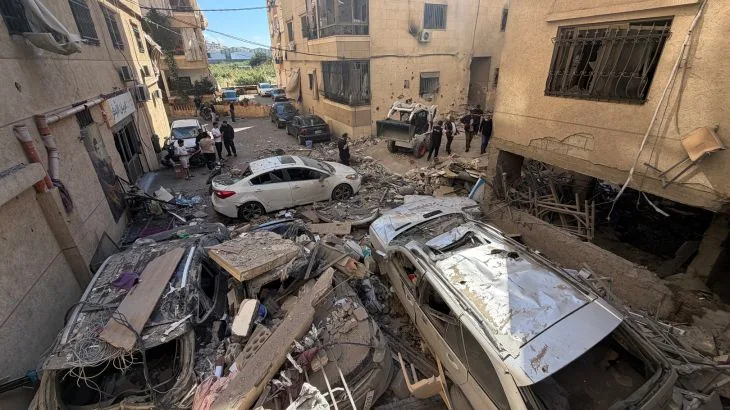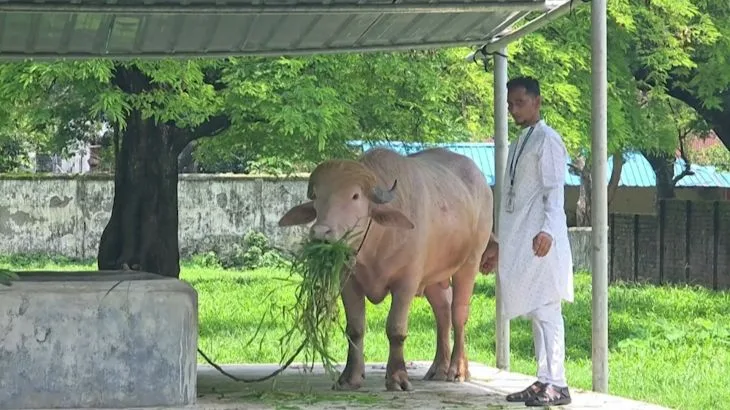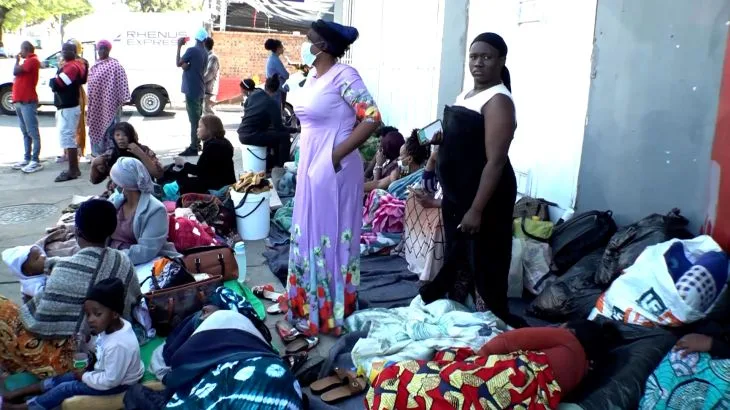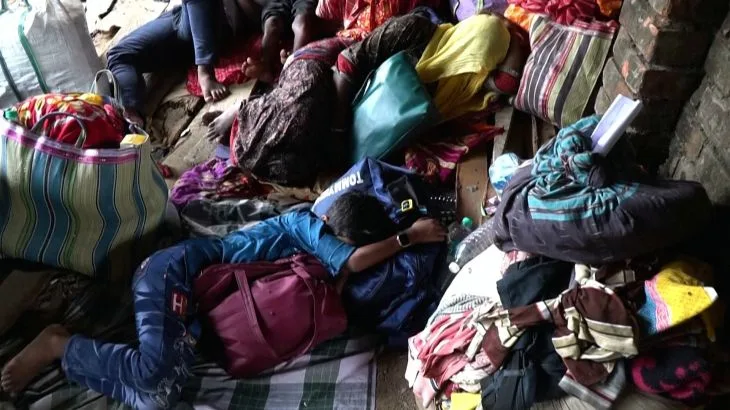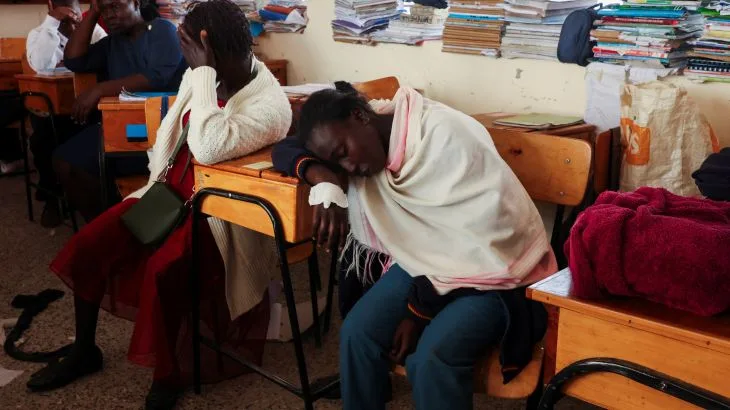
After nearly three years of war and displacement, many Lebanese families no longer view Eid al-Adha as a joyous occasion. Instead, they spend the holiday grieving, fearing violence, and longing for past normalcy [1]. Israeli attacks and persistent insecurity have forced many families in border villages of southern Lebanon into shelters including schools, significantly altering traditional holiday practices [2].
Residents of towns such as Shebaa, Kfarhamam, and Marj al-Zouhour face disrupted lives. Many have fled multiple times and often avoid returning home during Eid due to security fears. Kfarhamam’s mayor Mouad Rahhal explained, "Eid al-Adha traditionally served as a social occasion reconnecting families and relatives. Today, many displaced families hesitate to return even during religious holidays for fear of worsening security conditions" [2].
The psychological toll of repeated displacement weighs heavily on families and children. Nasreen Abdul Aal, age 34 and displaced, said, "Families no longer gather, and children can no longer recognize the atmosphere of Eid" [2]. Despite ongoing airstrikes, some like 60-year-old Um Najib Fares in Kfarhamam have refused to leave their homes. She stated, "We remain in our homes despite everything" [2]. Approximately 110 families continue living in Kfarhamam amid the difficult conditions caused by the conflict [2].
The conflict’s long duration has transformed Eid from a time of social connection into a period marked by fear and uncertainty. Many displaced families remain scattered in shelters, unable to reclaim the holiday’s traditional meaning.
The situation was detailed in a report dated May 27, 2026, which highlighted how the war and displacement have overshadowed Eid al-Adha celebrations in southern Lebanon [2]. As the conflict continues, local authorities and residents face ongoing challenges in restoring safety and normalcy during religious holidays.