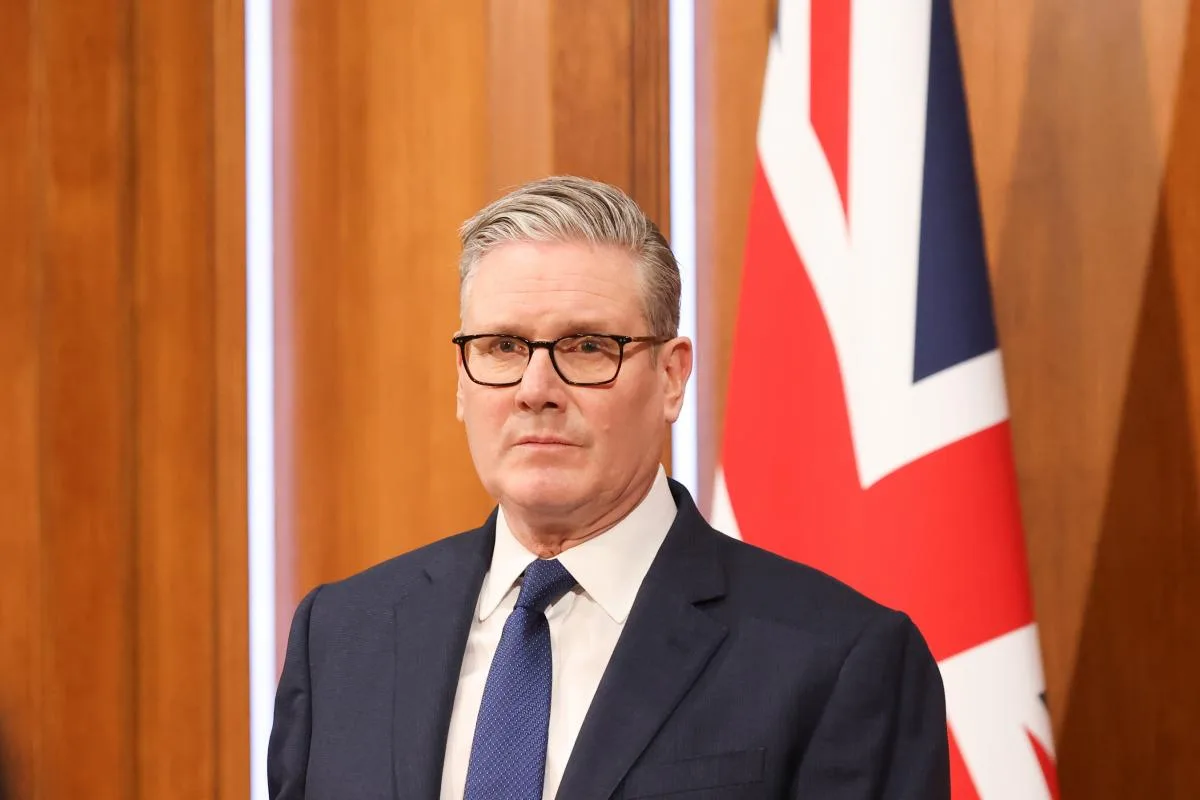
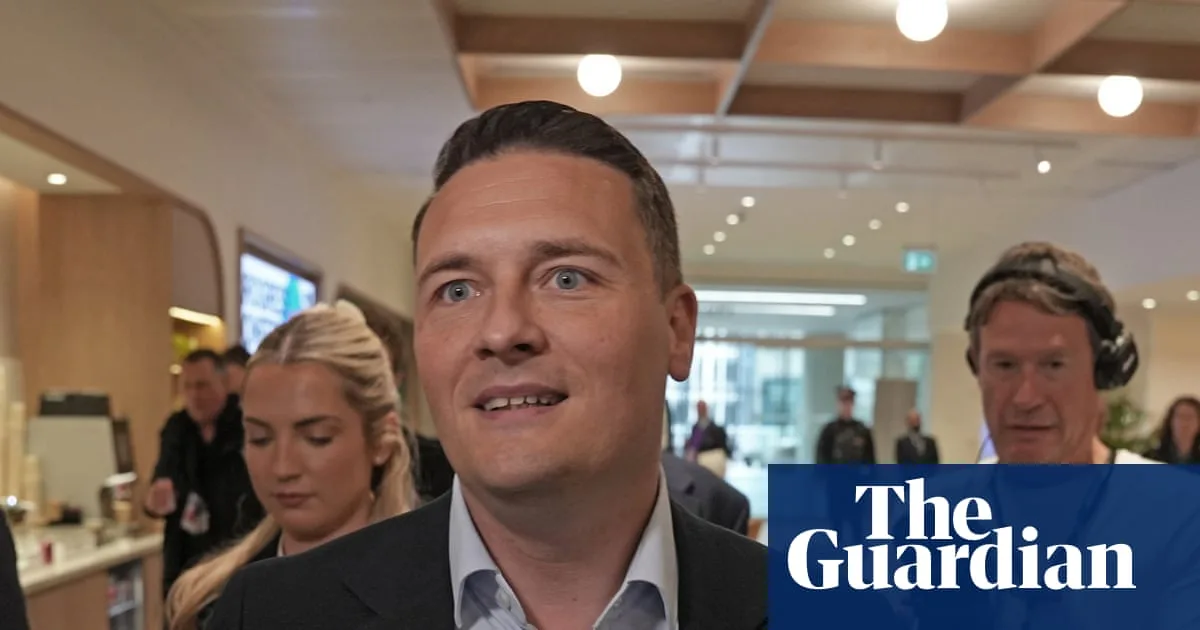
Wes Streeting resigned as Labour’s health secretary and announced a leadership bid against Keir Starmer, accusing Starmer’s rule of being heavy-handed and stifling debate within the party [1, 2, 3, 4, 5]. Streeting called for a “battle of ideas” to renew Labour’s vision and criticized the party as underprepared for government [1].
Streeting laid out a policy platform focused on rejoining or improving ties with the European Union, calling Brexit a “catastrophic mistake.” He said, “The biggest economic opportunity we have is on our doorstep. We need a new special relationship with the EU, because Britain’s future lies with Europe – and one day back in the EU” [2, 3].
Andy Burnham, the former Greater Manchester mayor, also voiced support for rejoining the EU, echoing Streeting’s position that Brexit was a policy failure [2, 3, 4, 5]. Burnham intends to stand in a June 18 by-election to qualify to run for Labour leadership himself [2, 3, 4, 5]. The by-election is in a strongly Leave-supporting area, complicating Burnham’s campaign on EU issues [2, 3].
Labour suffered heavy losses in local elections earlier in May 2026, with Reform UK and the Green Party gaining ground. Over 90 Labour MPs publicly called for Starmer to resign in response to the poor results [2, 3, 4]. This internal pressure intensified the party’s leadership turmoil.
Starmer has so far avoided committing to full talks on rejoining the EU single market, contrasting with Streeting’s push to reforge Britain's European ties [2, 3]. Streeting’s resignation as health secretary occurred around May 11, shortly before his leadership announcement and critical speech on May 16 [1, 2].
The Labour leadership contest is expected to be dominated by questions over the party’s future Ukraine stance, economic policies, and most notably its position on EU membership. Burnham’s June 18 by-election result will determine if he can formally challenge Starmer for the top job [2, 3, 4].