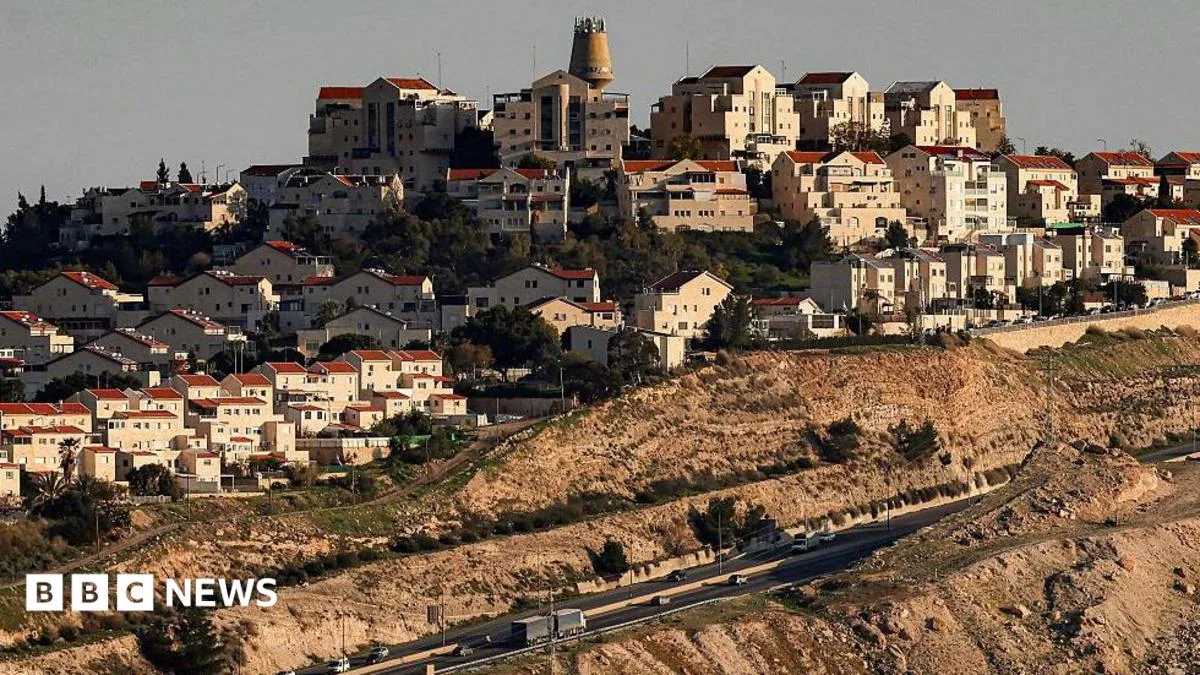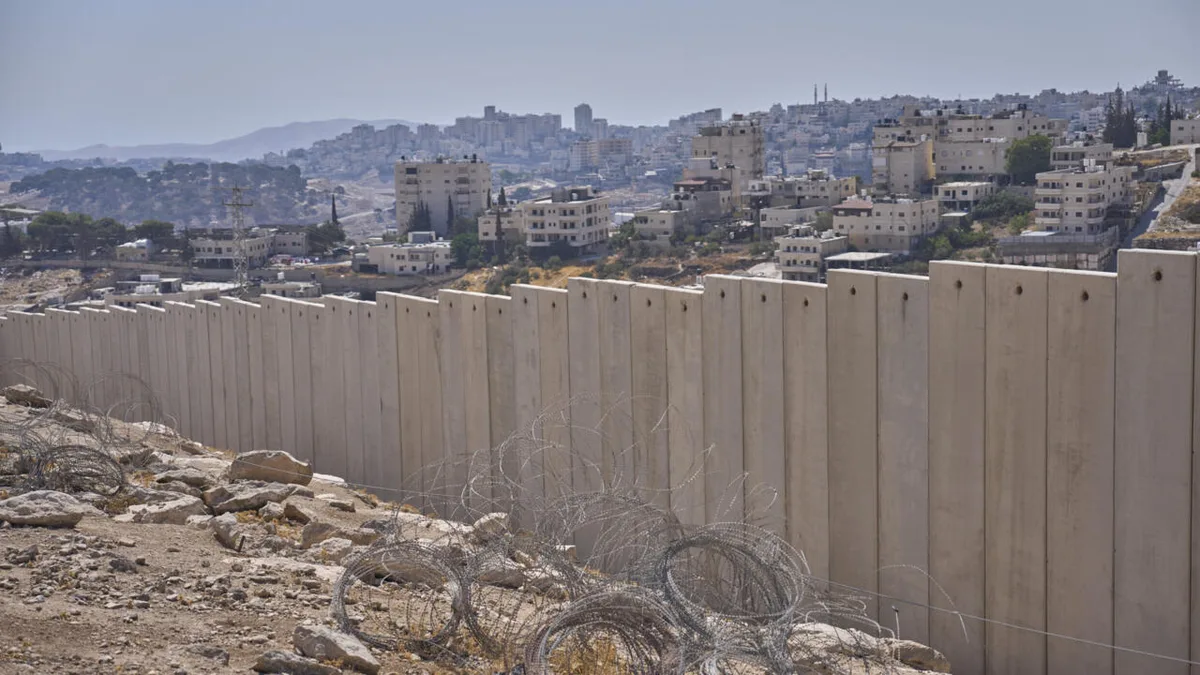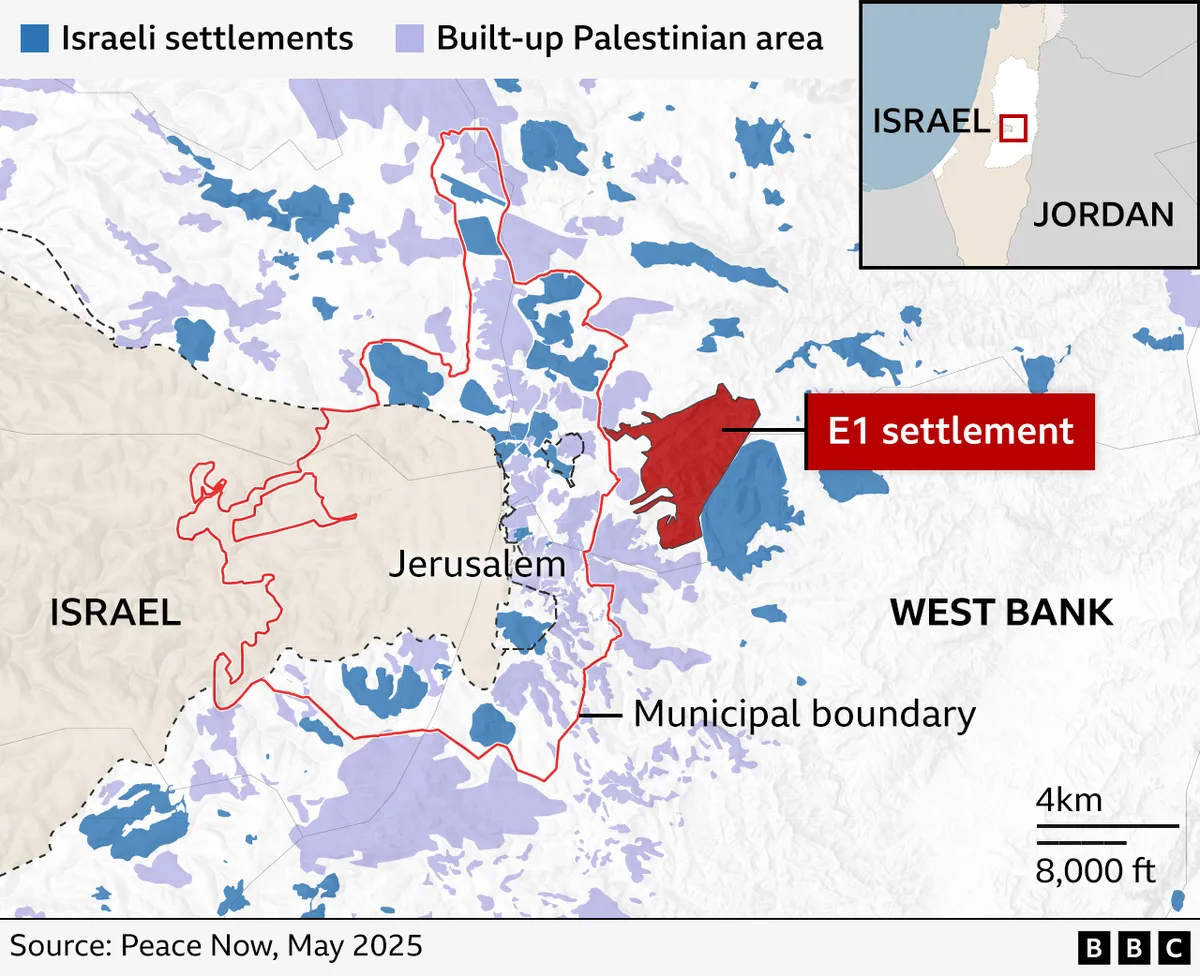
Israel's housing ministry opened a tender on August 18, 2026, to build roughly 1,234 new settlement homes in the E1 area of the occupied West Bank, east of Jerusalem, with a bid deadline set for October 19, 2026 [1, 2]. The E1 plan was initially approved in August 2025 and covers about 12 square kilometers between East Jerusalem and the Maale Adumim settlement, allowing for roughly 3,400 homes in total [1, 2].
The settlement project has drawn swift and broad condemnation from Western governments and the United Nations. The UK, France, Germany, Italy, Canada, Belgium, and other European leaders called the new tender illegal under international law and warned it threatens the territorial contiguity vital to a viable two-state solution [1, 3, 4, 2, 5, 6, 7]. A joint statement by the UK, Italy, France, and Germany said the plans will "take us further from peace" and undermine Israel's international standing [1].
The UN Secretary-General António Guterres, through spokesperson Stephane Dujarric, said the E1 settlement "would effectively sever the connection between the northern and the southern West Bank... presenting an existential threat to the two-state solution" and called on Israel to halt settlement expansion [4]. The International Court of Justice issued an advisory opinion on July 19, 2024, declaring Israel's presence in occupied Palestinian territory unlawful and demanding an immediate stop to new settlement construction [4, 6].
Western governments argue the E1 project would isolate East Jerusalem from Palestinian population centers and further fragment the West Bank. German Deputy Foreign Ministry spokesman Martin Giese condemned the tender as "hindering the path towards ending the Israeli occupation of the West Bank" and jeopardizing peace prospects [5]. UK Foreign Secretary Ed Miliband condemned the plan and summoned Israel’s charge d’affaires, urging Israel to retract the settlement tenders immediately [3]. Miliband said, "We urge the Government of Israel to retract these plans immediately and end its expansion of settlements in the West Bank."
Israel rejected the international criticism. Foreign Minister Gideon Saar defended Israel's right to build settlements, saying, "The Jewish people have the right to live throughout the Land of Israel, just as the British have the right to live in London and throughout the United Kingdom." Saar also described the UK’s actions as "deeply unfortunate," asserting Israel will "defend its rights, its interests and its people" [3].
Violence by settlers against Palestinians and severe economic restrictions on Palestinians in the West Bank continue to exacerbate instability there [1, 3, 2, 7]. About 700,000 Israeli settlers now live in roughly 160 settlements in the West Bank and East Jerusalem, amid a Palestinian population of about 3.3 million [1].
The deadline for submitting bids for the E1 housing tenders is October 19, 2026, just days before Israel’s general election scheduled for October 27, 2026 [1, 2].