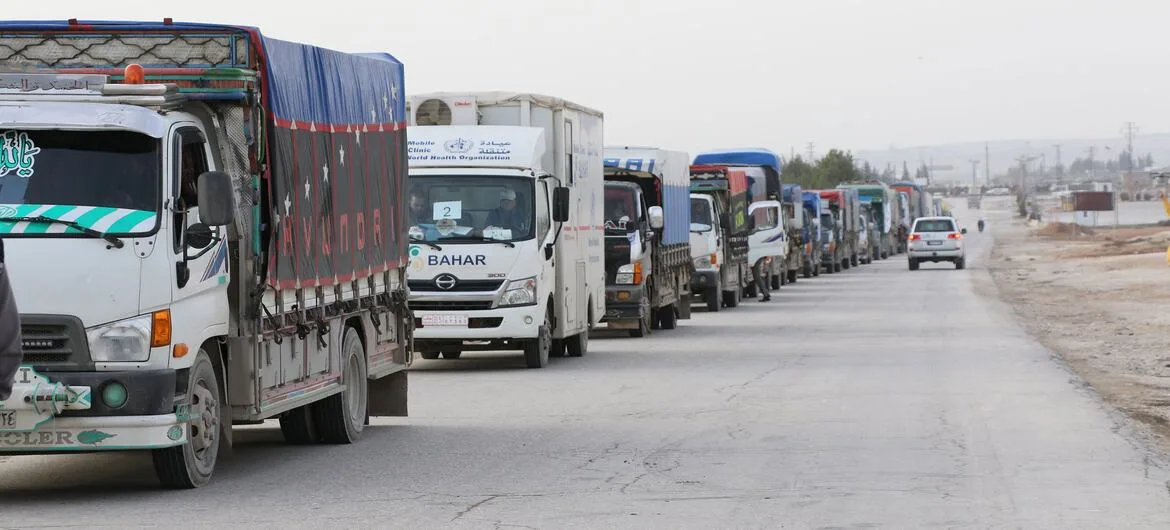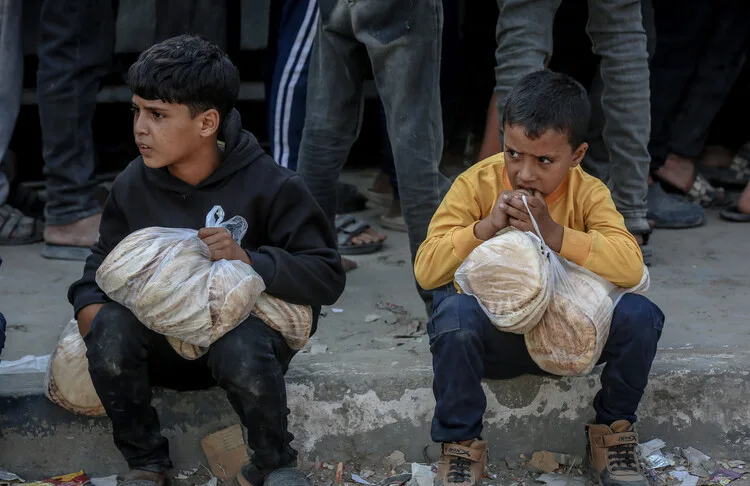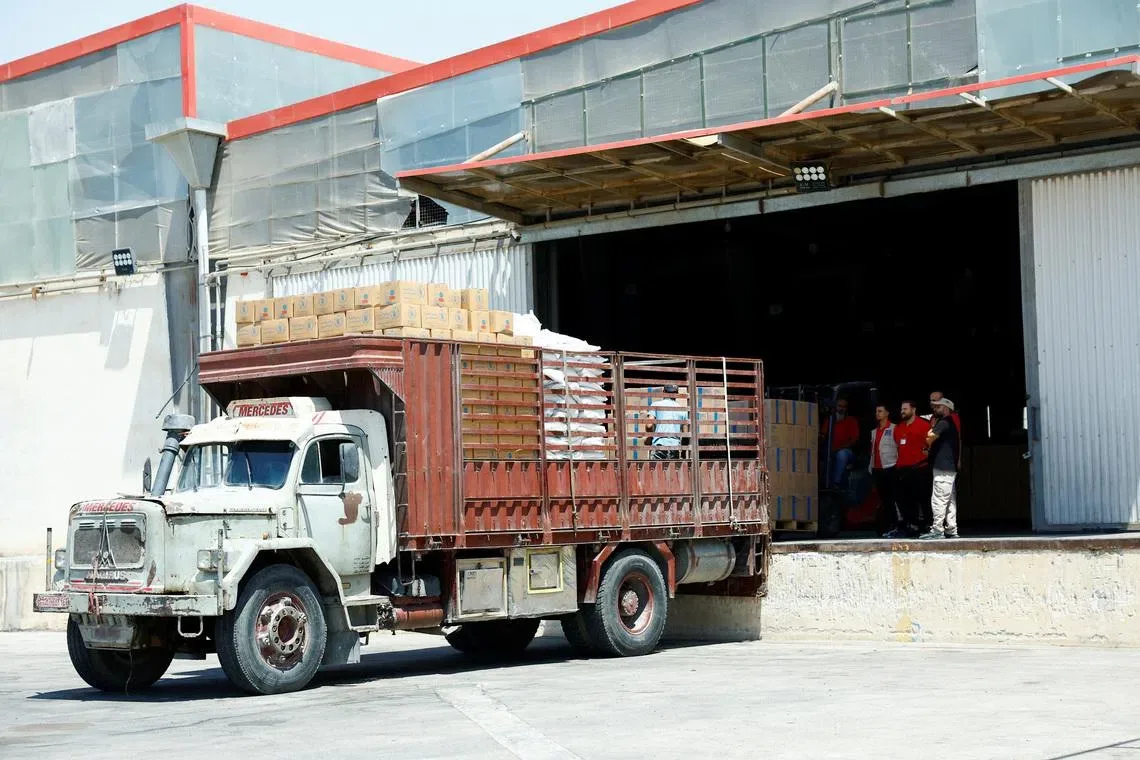
The World Food Programme (WFP) reduced emergency food assistance in Syria from 1.3 million to 650,000 people in May 2026 and halted a nationwide bread subsidy program supporting more than 300 bakeries and up to 4 million people daily in vulnerable areas [1, 2, 3].
The cuts come amid worsening food insecurity, with 7.2 million Syrians acutely food insecure and 1.6 million facing severe hunger. Syrians are coping by reducing meal portions, eating less nutritious food, or skipping meals [1, 2].
Marianne Ward, WFP country director in Syria, said, "The reduction in WFP’s assistance is driven solely by funding constraints, not by a decrease in needs." She added, "This is a critical moment for Syria. Recovery remains fragile, needs are still severe, and we are being forced to withdraw a vital safety net at a time when people need it most" [3].
In 2025, WFP food aid, bread subsidies, nutrition, livelihood, and social protection programs reached 5.8 million people across all 14 Syrian governorates. Due to funding shortages, support in 2026 has shrunk to only seven governorates [2].
Funding constraints also reduced aid for Syrian refugees in neighboring countries. In Jordan, cash-based food assistance for 135,000 refugees in host communities has stopped, while reduced aid continues for 85,000 refugees in camps. Aid for 20,000 Syrians in Egypt has also been cut, and many refugees in Lebanon remain reliant on assistance [1, 2, 3].
Samer Abdeljaber, WFP regional director for the Middle East, warned that "Declining humanitarian support risks reversing years of progress and worsening food insecurity across the region" [3].
WFP urgently requires $189 million from June to November 2026 to sustain and restore food assistance operations inside Syria [1, 2, 3].