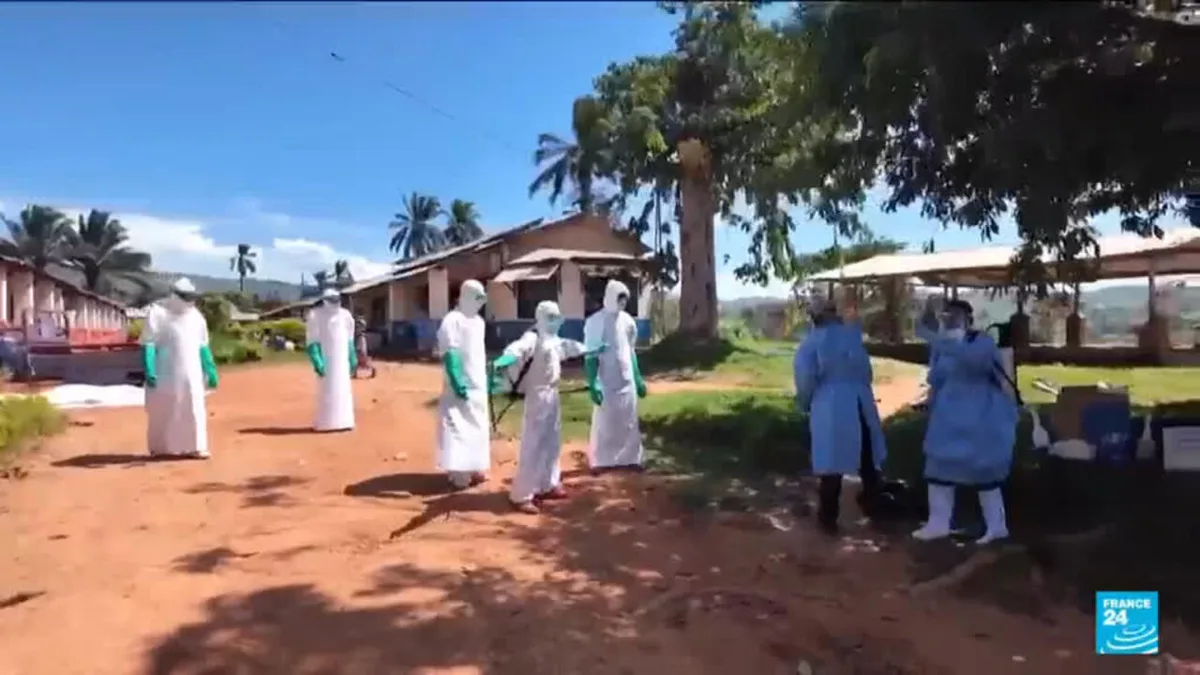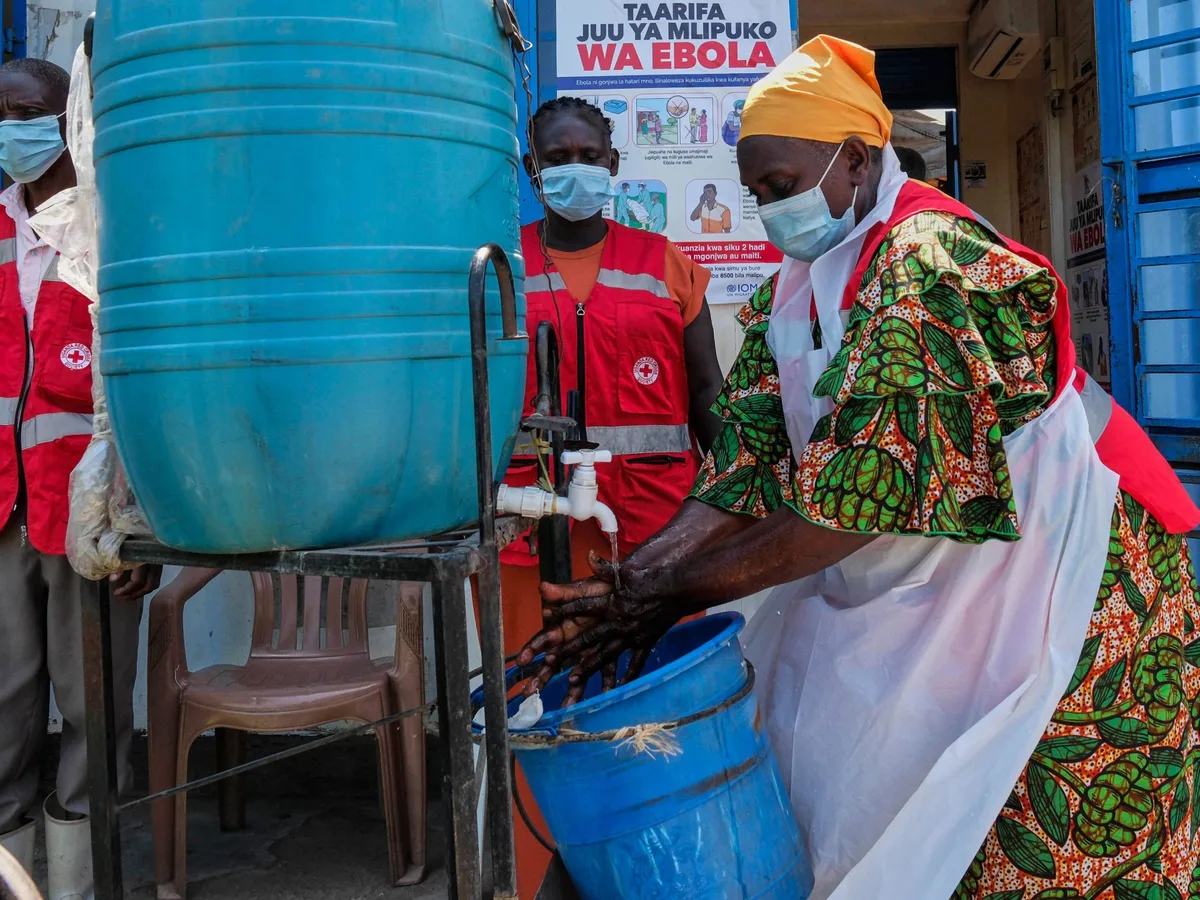
The World Health Organization and Africa Centres for Disease Control and Prevention launched a $518 million joint response plan on June 5 to fight an Ebola outbreak in the Democratic Republic of the Congo and Uganda lasting through November 2026 [1, 2, 3]. The plan aims to strengthen emergency coordination, surveillance, testing, infection prevention, clinical care, community engagement, research, and logistics in affected areas [1, 2, 3].
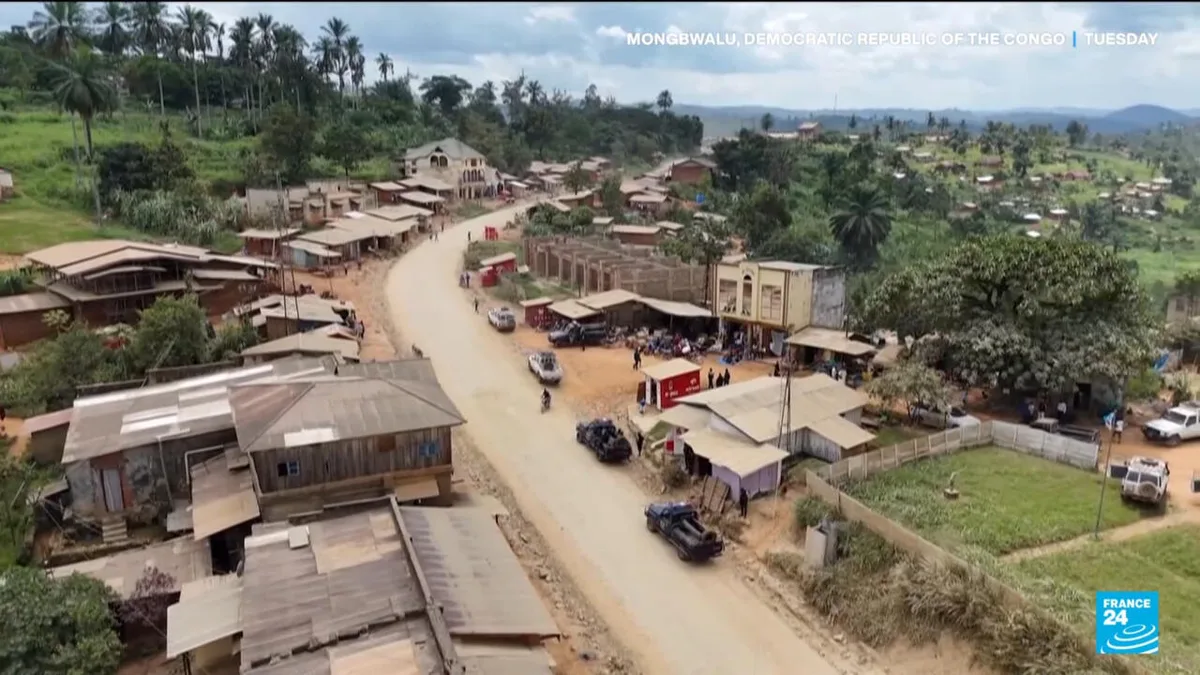
The current Ebola outbreak involves the Bundibugyo strain, first declared in the DRC on May 15. It has since spread to Uganda [1, 3]. As of early June, confirmed cases stand at 381 with 64 deaths in the DRC according to WHO, while Uganda has reported 19 cases and 2 deaths [1]. Africa CDC data shows 397 confirmed cases, 63 deaths, and 5,009 contacts followed up in the DRC, where the epicenter remains in Ituri province [3]. The outbreak has spread to 26 health zones across three DRC provinces, putting 11 neighboring countries at risk [3].
This Bundibugyo outbreak is the most serious recorded for this Ebola strain and ranks as the fourth-largest Ebola outbreak by confirmed cases globally [3]. There is currently no vaccine approved specifically for the Bundibugyo strain, although three vaccines are in accelerated research trials [1].
Tedros Adhanom Ghebreyesus, WHO Director-General, said, “The objective is straightforward: we need to stop the outbreak where it is, support countries that are responding today, and ensure that neighbouring countries are ready to detect and act quickly if cases appear.” He emphasized that "the outbreak is moving fast" and warned that "misinformation is almost as dangerous as the virus itself" [1, 3]. Africa CDC Director-General Jean Kaseya noted, “This is showing that the outbreak is moving, with the epicenter still in Ituri, where we have more than 90% of all cases and 70% of deaths.” [3]
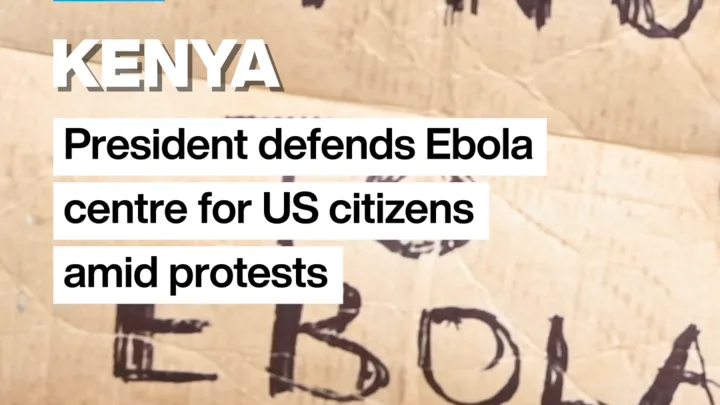
Kenya faces local protests and a court order pausing construction of a planned U.S. Ebola quarantine and treatment facility at Laikipia Air Base in Nanyuki town [1, 2]. Kenyan President William Ruto defended the project, saying, “The quarantine facility is part of a broader national preparedness system and will also serve Kenyans.” [2]. U.S. officials plan to screen for Ebola at airports ahead of the FIFA World Cup [2].
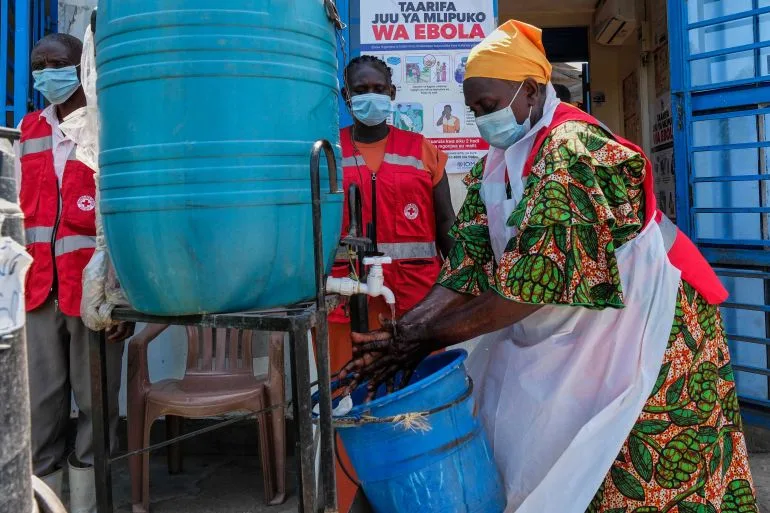
Major challenges to controlling the outbreak include misinformation, community distrust, insecurity, and high population mobility [3]. The WHO-Africa CDC plan aims to contain the outbreak and boost Africa’s ability to prevent, detect, and respond to health threats [1, 2, 3]. Authorities and partners will continue follow-up on thousands of contacts and maintain vigilance in affected regions.
The Ebola outbreak first declared on May 15 in the DRC continues to expand, with the new response plan now in effect through November 2026 [1, 2, 3].