The Ebola outbreak in northeastern Democratic Republic of the Congo (DRC) and Uganda is caused by the rare Bundibugyo strain, for which there is no approved vaccine or treatment [1, 2, 3, 4, 5]. The epicenter is in the Ituri and North Kivu provinces of the DRC [1, 3, 4, 5].
As of late May 2026, there are an estimated 220-223 suspected deaths and between 1,000 and 1,084 suspected cases across both countries combined [1, 2, 3, 4, 6, 7, 8, 5]. The DRC has confirmed 101-134 cases with 10 to 18 confirmed deaths, while Uganda reports 7-9 confirmed cases and at least one death [1, 2, 3, 9, 4, 7, 8, 5].
Uganda closed its border with the DRC between May 27-28 to curb the outbreak, despite World Health Organization (WHO) advice against such measures. Dr. Diana Atwine from Uganda's Ministry of Health said, "Travel across the Congo border will be authorised only in emergency cases, including for the outbreak response, cargo or security reasons" [2, 9, 10].
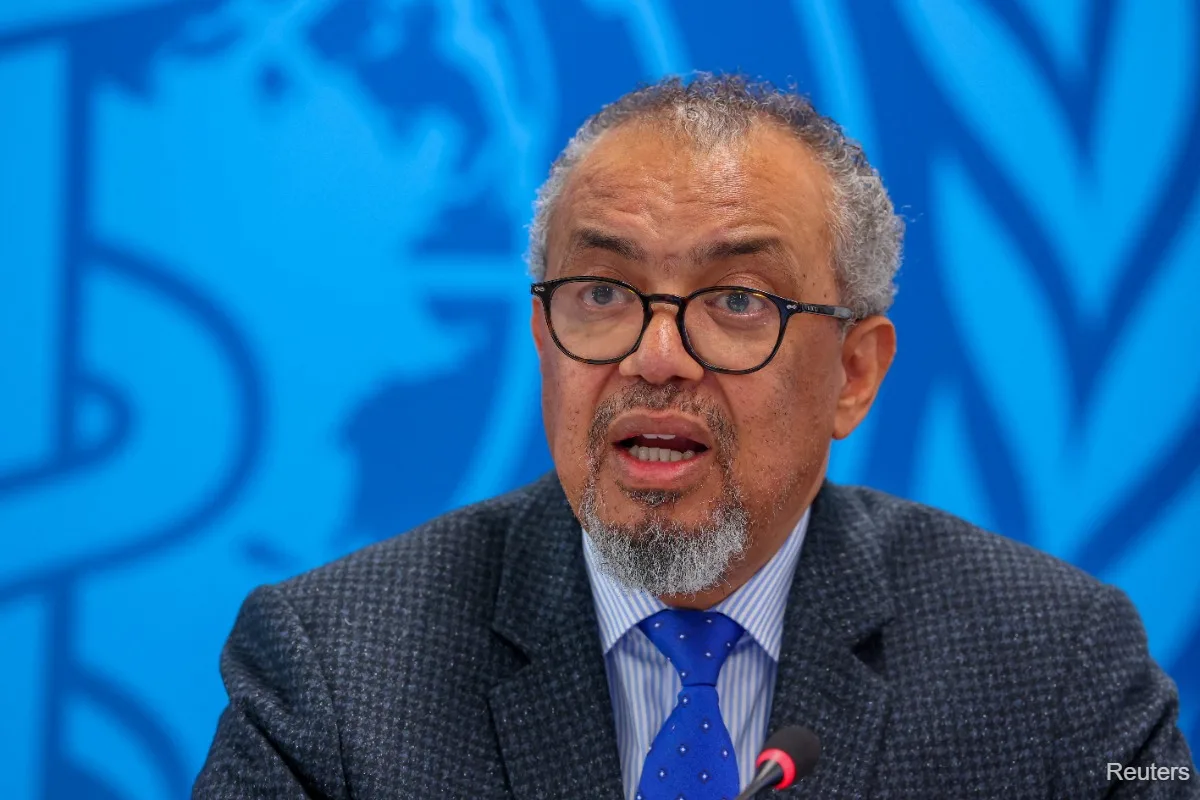
The outbreak response faces major challenges due to ongoing armed conflict and insecurity in the affected eastern provinces of the DRC, which disrupt containment efforts [1, 6, 11, 10, 5]. WHO Director-General Tedros Adhanom Ghebreyesus visited the DRC on May 26 to assess the situation and called for ceasefire and community cooperation. He said, "We are urgently scaling up operations, but at the moment the epidemic is outpacing us" and added, "We cannot build community trust or isolate the sick while bombs are falling" [1, 6, 11, 10, 7, 8].
There have been violent attacks on Ebola treatment centers, including a hospital in Mongbwalu, forcing evacuations and interruptions to care [3, 6]. Alan Gonzalez, deputy director of operations for Doctors Without Borders (MSF), said, "Like everyone in the affected areas, MSF teams are witnessing a response that has not yet caught up to the rapid spread of the epidemic" [4].
Five Ebola patients infected with the Bundibugyo strain in eastern DRC have recovered and been discharged as of May 31, despite the lack of approved treatment [4, 8]. Meanwhile, health officials warn the outbreak risks becoming the deadliest Ebola epidemic on record due to its rapid spread, conflict, and recent funding cuts [6, 11].
The Africa Centres for Disease Control and Prevention has identified at least 10 nearby African countries at risk of Ebola spread beyond the DRC and Uganda [6, 11, 10, 5]. In response, multiple US international airports including Houston, Atlanta, Washington D.C., and New York JFK have started health screenings for travelers arriving from the affected African countries [6, 11, 12, 7, 8].
Plans by the US administration to build a 50-bed Ebola quarantine center on a Kenyan airbase were temporarily suspended by a Kenyan court following constitutional challenges. Kenyan doctors union criticized the plan as "American-focused" with no similar provisions for Kenyans who contract Ebola [12, 7, 8].
WHO Director-General Tedros’s visit on May 26 included a stop in Bunia, the outbreak epicenter, where he updated on the rising case numbers. The situation remains volatile amid security risks and logistical hurdles [7, 8]. Efforts continue to scale up response operations in the affected regions.