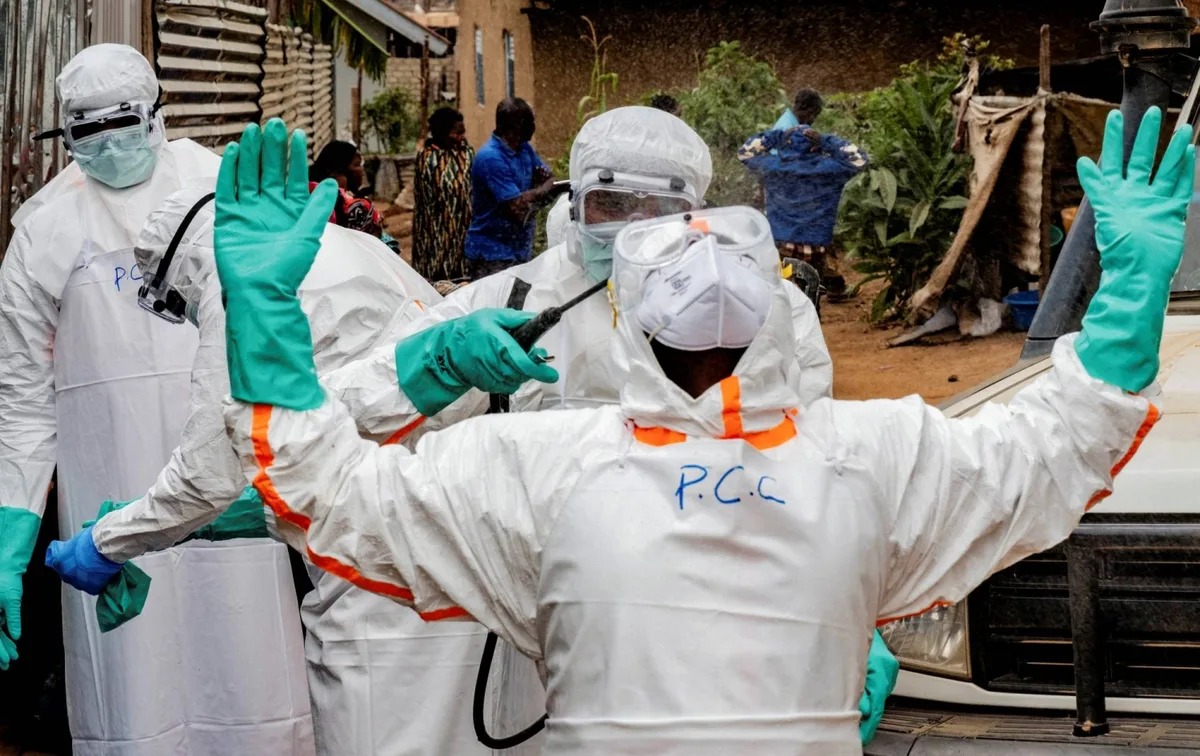
The Ebola outbreak in the Democratic Republic of Congo (DRC) has exceeded 5,000 confirmed cases with over 2,300 deaths as of mid-August 2026, making it the deadliest outbreak in the country’s history [1, 2, 3, 4]. The outbreak, caused by the Bundibugyo ebolavirus strain for which no approved vaccine or specific treatment exists, was officially declared in May but is understood to have started spreading between February and April 2026 based on hospital reports and genetic analysis [1, 4, 2].
WHO Director-General Tedros Adhanom Ghebreyesus described the epidemic as "far from being under control," saying "It had a big head start, and we are still playing catch-up" amid an unprecedented spread of the virus [1]. The WHO Emergency Committee reconvened on August 18 and reaffirmed that the outbreak remains a public health emergency of international concern [3].
The outbreak’s case fatality rate is estimated between 46% and 47.4% as of mid-August, according to reports from the Africa CDC and WHO [2, 3]. The Africa CDC warned that "It is now taking approximately one life every 30 minutes. Unless its trajectory is urgently reversed, it risks becoming the deadliest Ebola outbreak ever recorded globally" [2].
Response efforts face numerous barriers including armed conflict, misinformation, cultural practices, and distrust of health workers in affected communities [1, 4]. Motorbike riders who transport patients and corpses have become a focus for containment and surveillance efforts as they may aid transmission chains [1, 3]. Dr Richard Lokudu recounted early impacts on health staff, noting the deaths of surgical and post-operative team members about a month into the outbreak [4].
WHO is preparing updated recommendations for the DRC government and neighboring countries considered at risk in order to contain the epidemic [3]. The outbreak began officially in mid-May but is believed to have spread undetected for months prior, with hospital infections confirmed by early April 2026 [1, 4]. As of August 16, the DRC reported 5,021 confirmed cases and 2,378 deaths [2].
WHO and international partners continue urgent efforts to slow the spread amid ongoing challenges on the ground [1, 5, 2].
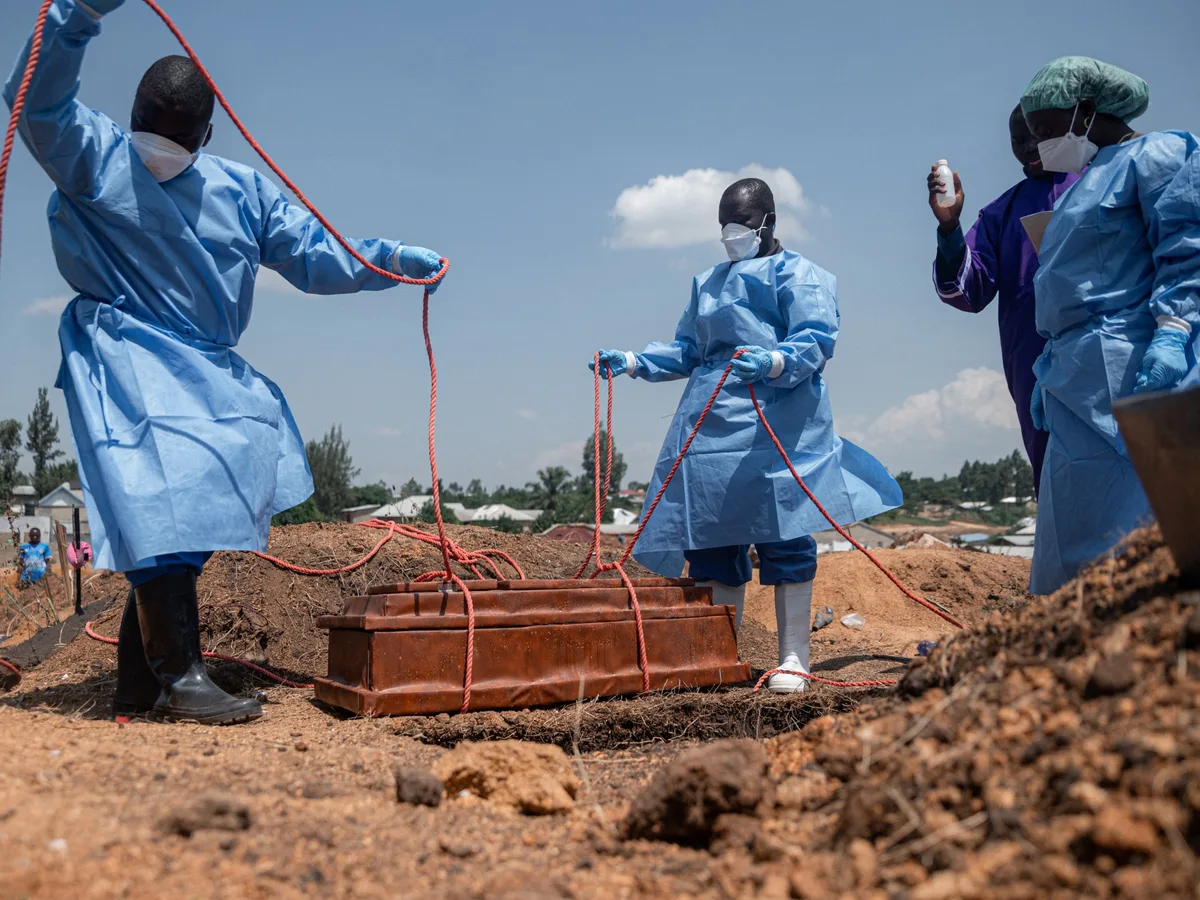
![A hygienist works at an Ebola treatment centre in Bunia, Ituri Province, Democratic Republic of the Congo [Prosper Heri Ngorora/Al Jazeera]](/uploads/2026/08/19/9e9133f5c5d1b6824e50ae89.webp)
![View of Mongbwalu, Ituri Province, Democratic Republic of the Congo, where the Ebola outbreak was first detected in May 2026 [Prosper Heri Ngorora/Al Jazeera]](/uploads/2026/08/19/24e84f26562c06251628f21f.webp)
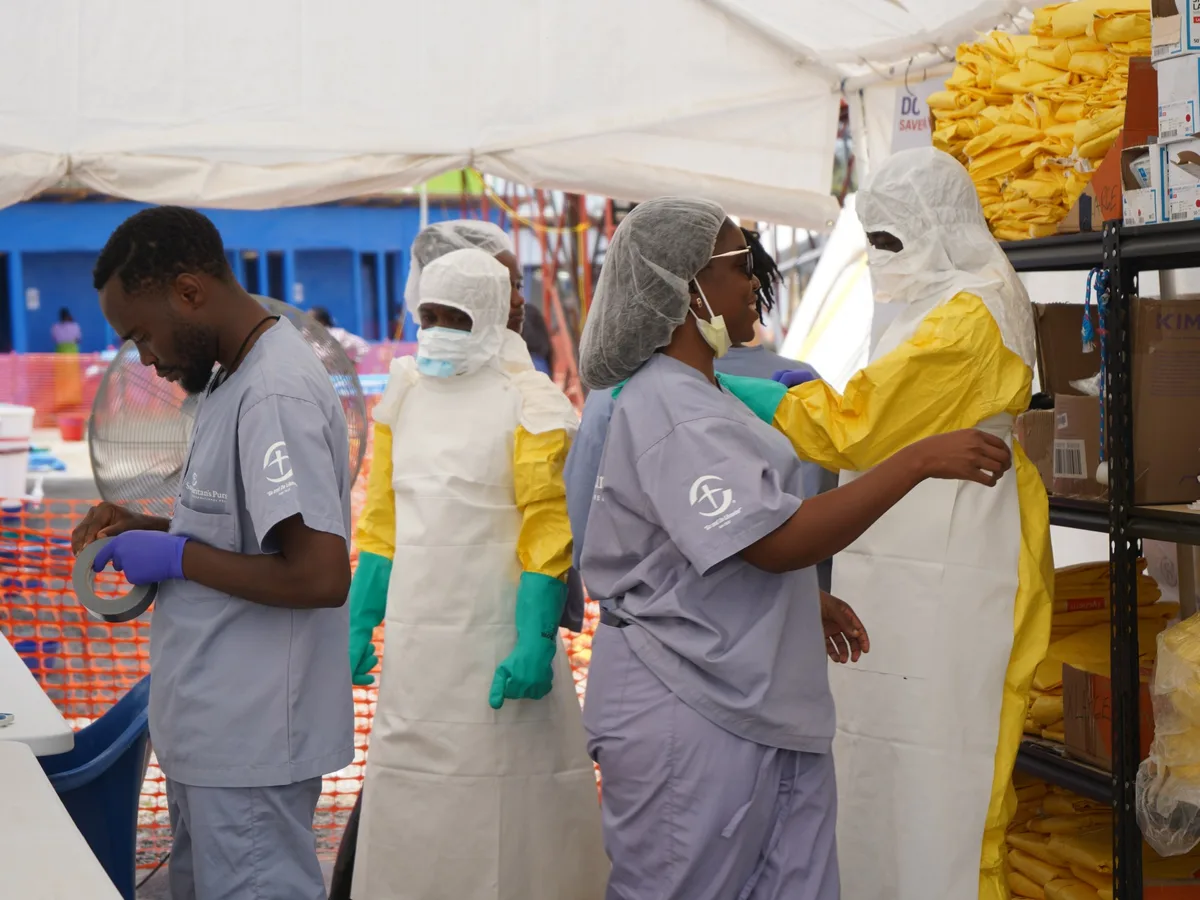
![Health workers at a Samaritan’s Purse Ebola treatment centre in Bunia, Ituri Province, Democratic Republic of the Congo, during the response to the Ebola outbreak [Prosper Heri Ngorora/Al Jazeera]](/uploads/2026/08/19/46969628a296fbc670402113.webp)