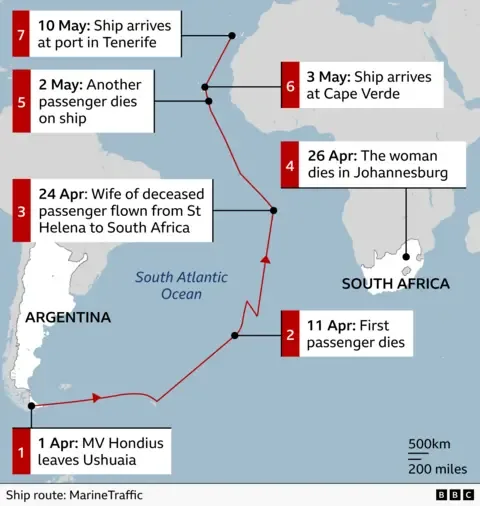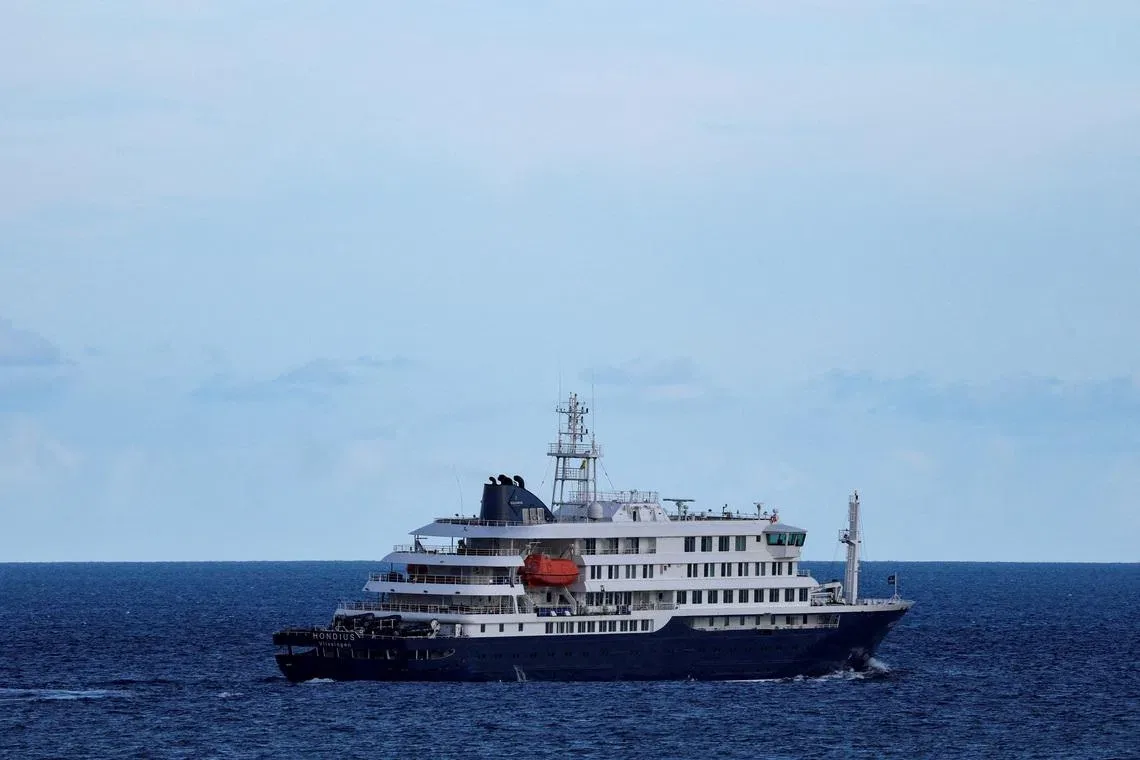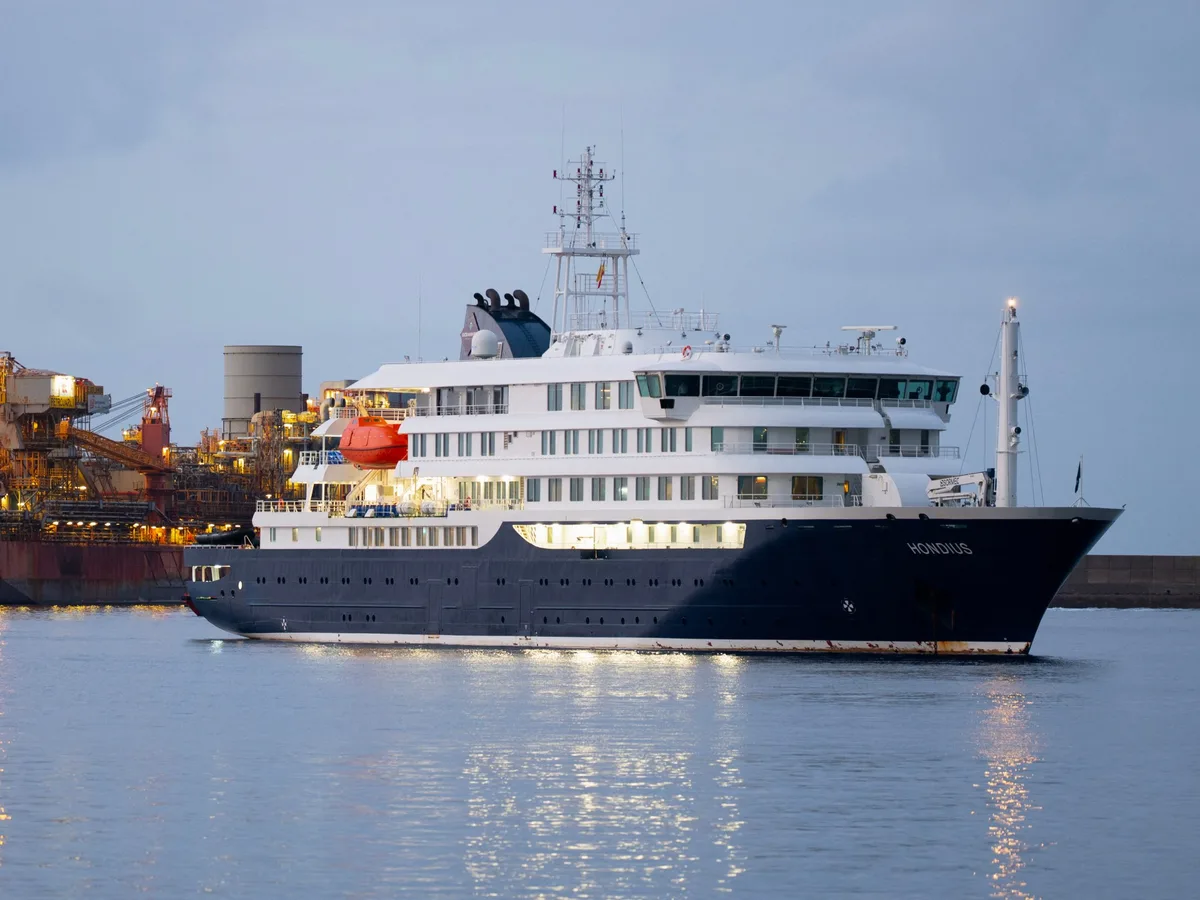
The hantavirus outbreak linked to the Dutch-flagged cruise ship MV Hondius has not resulted in a larger epidemic, the World Health Organization (WHO) said as of mid-May 2026. The ship departed Argentina on April 1 for a polar expedition before the outbreak emerged among passengers and crew [1, 2, 3, 4].
Between 10 and 11 confirmed and probable hantavirus cases have been reported worldwide connected to the MV Hondius; three people have died from the infection [1, 2, 3, 4, 5, 6]. The discrepancy in case numbers owes to one initially reported U.S. case that was later confirmed as a false positive after further testing, lowering the confirmed total to 10 [2, 7, 4].
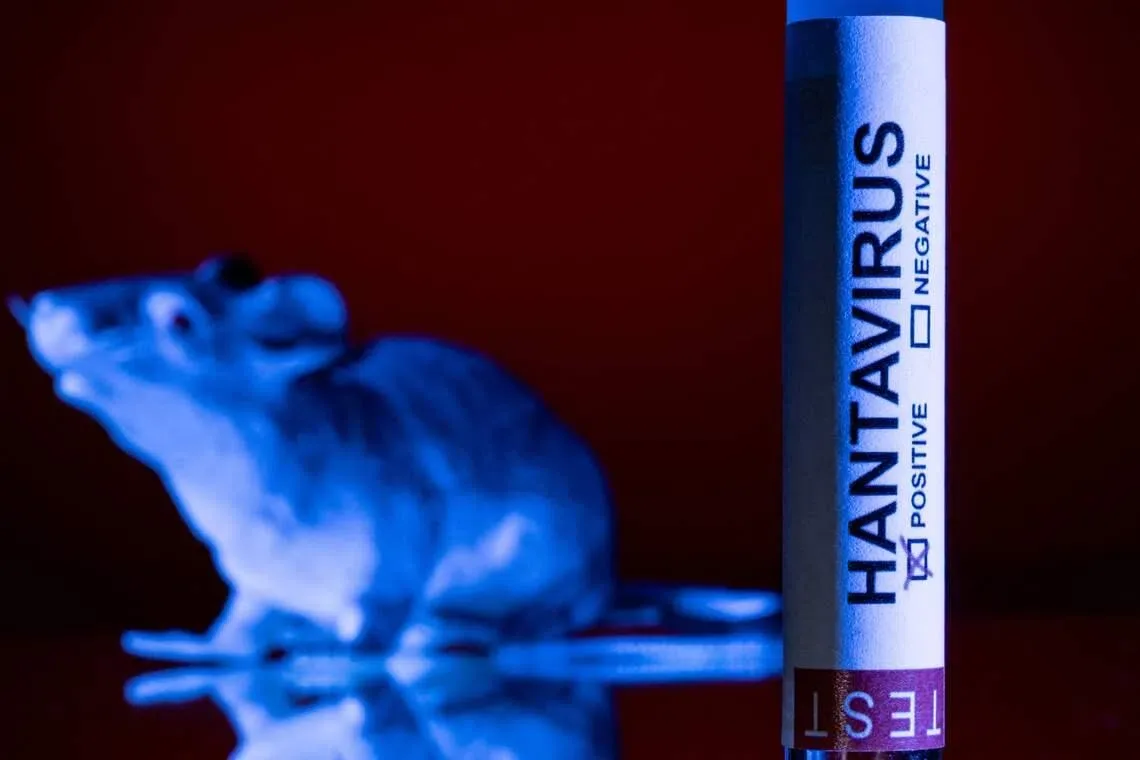
The virus strain involved is the Andes virus, a rare hantavirus capable of limited person-to-person transmission after close, prolonged contact [1, 2, 4, 5, 6]. Symptoms include fever, fatigue, muscle aches, gastrointestinal issues, and breathing problems, with severe cases progressing rapidly and sometimes fatally [1, 4]. There are no approved vaccines or targeted antiviral treatments; patient care remains supportive only [2].
WHO Director-General Tedros Adhanom Ghebreyesus said, “At the moment, there is no sign that we are seeing the start of a larger outbreak. But of course the situation could change and, given the long incubation period of the virus, it's possible we might see more cases in the coming weeks” [1]. He added the risk to the global population remains low [5]. He also said, “This does not mean the outbreak is expanding; it shows that the control measures are working, that laboratory testing is ongoing, and that people are being cared for with support from their governments” [4].
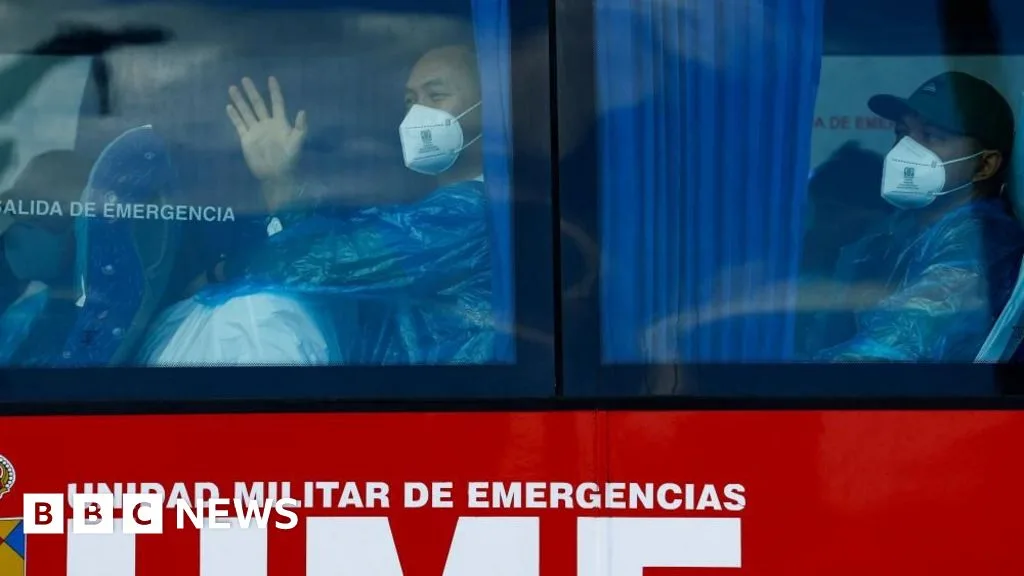
To date, 122 passengers and crew have been repatriated from the MV Hondius by government-chartered flights, with the last group of 28 evacuated between May 11-12 [1]. Twelve hospital workers in Nijmegen, Netherlands, were quarantined after safety protocol failures exposed them to a confirmed patient [1]. In the United States, 41 people are under monitoring, including 18 quarantined in Nebraska and Atlanta, but no confirmed infections [2]. The WHO recommends 42-day monitoring and quarantine for high-risk contacts, plus self-monitoring for others [2].
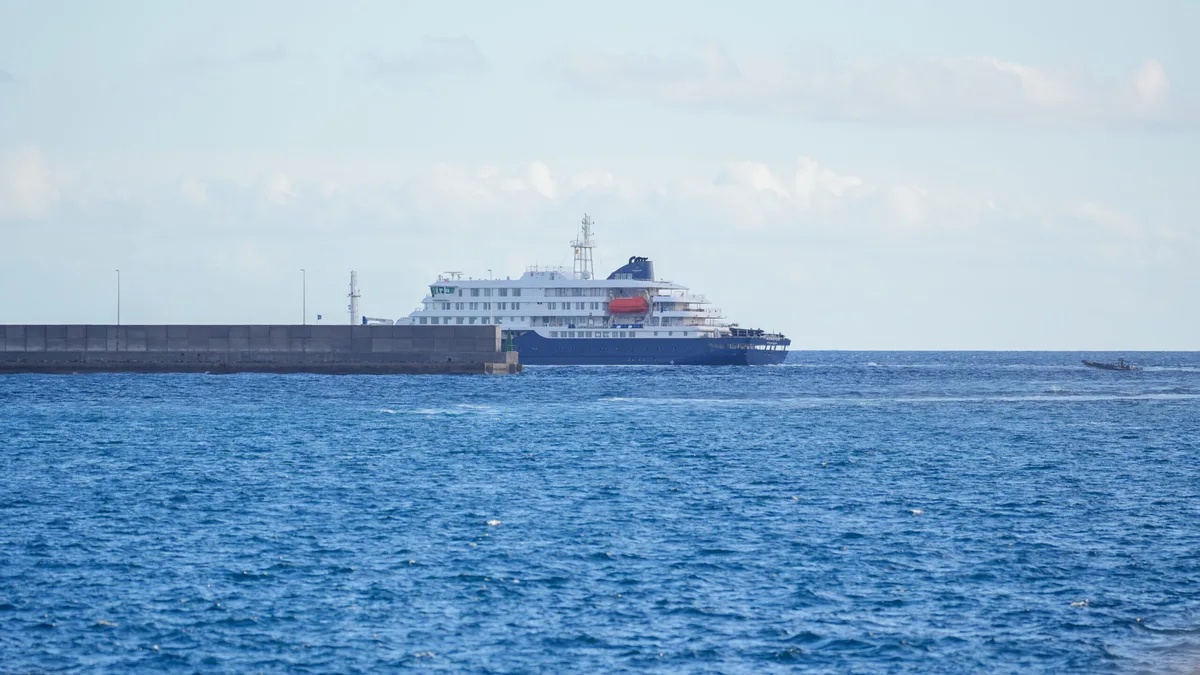
The MV Hondius left Tenerife, Spain, on May 11-12 and is expected to arrive in Rotterdam, Netherlands, on May 17 for cleaning and disinfection. Its 26 remaining crew members remain symptom-free and onboard as of mid-May [1, 3, 4].
Health officials say an additional suspected hantavirus case remains under investigation in mid-May [5, 6]. The WHO continues to receive weekly health updates and coordinates closely with public health authorities globally [5, 6].
French epidemiologist Prof Antoine Flahault noted that evolving knowledge and scientific debate marked the response, with new facts emerging that sometimes surprised the public [8]. WHO infectious disease expert Dr Maria Van Kerkhove confirmed the U.S. false positive case after further analysis [2].