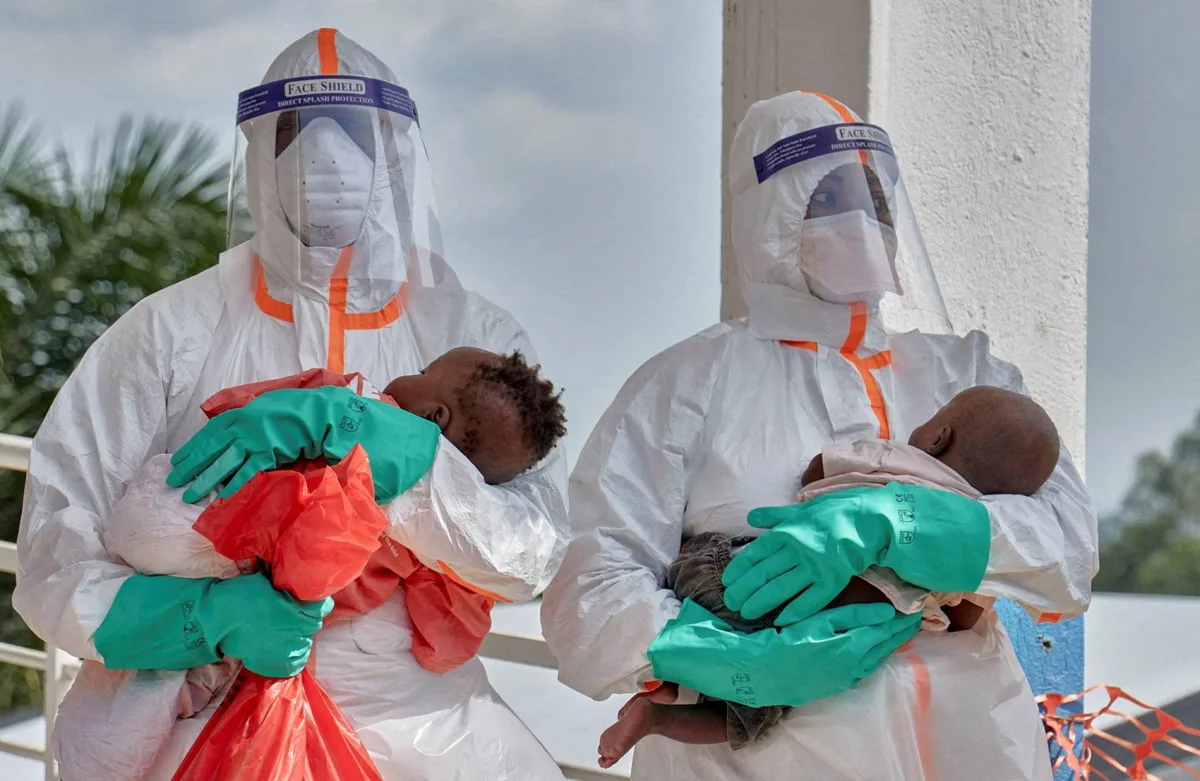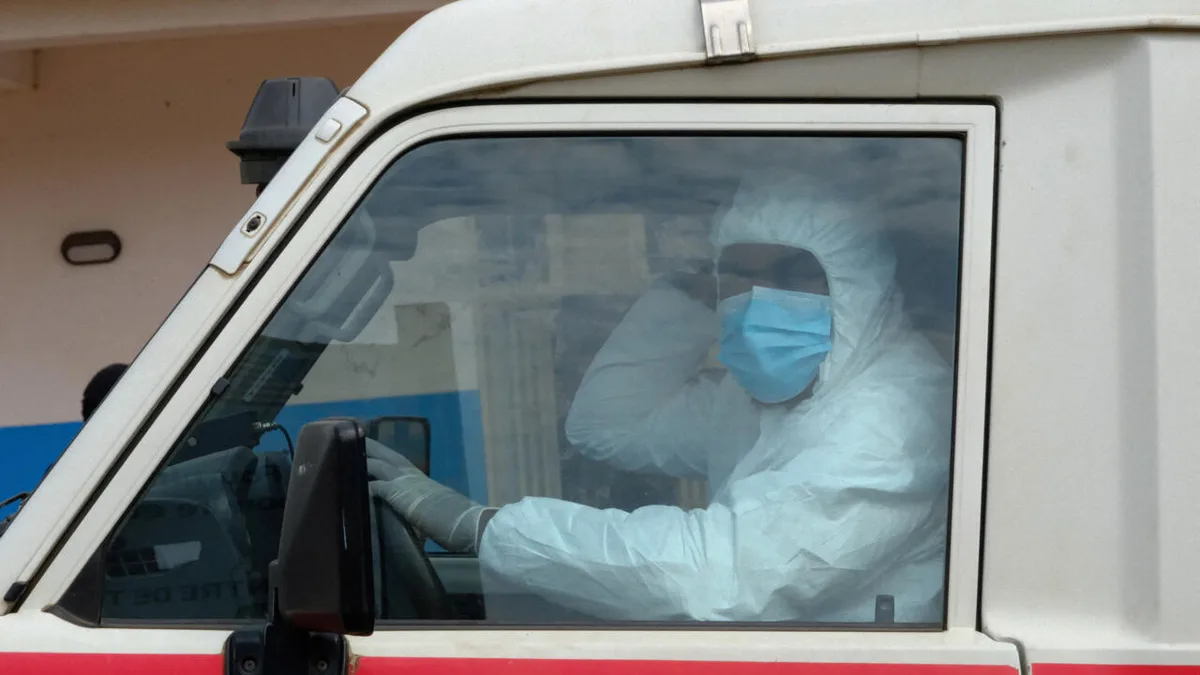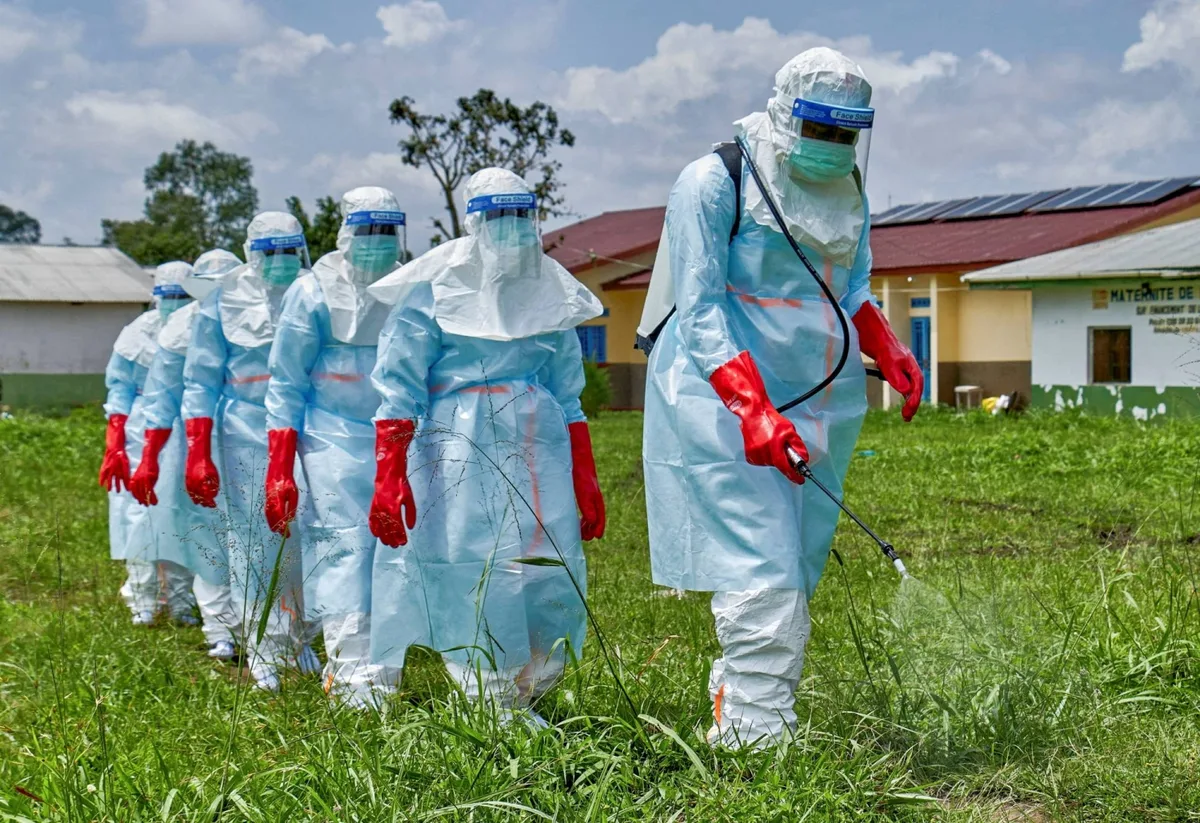
The Democratic Republic of Congo is battling its 17th Ebola outbreak, declared in mid-May 2026, which has become the fastest-spreading and second-deadliest on record [1, 2, 3]. As of early August, the DRC Ministry of Health has reported approximately 3,874 confirmed cases and 1,751 deaths, reflecting a case fatality rate of about 45.1% [1, 4, 3]. At least 717 patients remain in isolation, while 749 have recovered [1, 4].
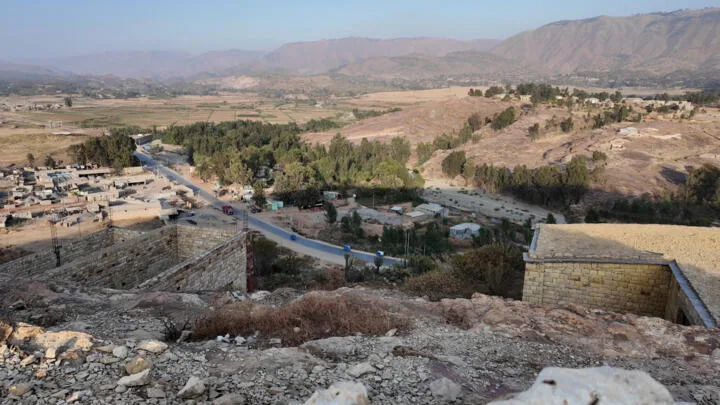
Nearly 90% of cases are concentrated in the eastern Ituri province near the Uganda border, with infections also reported across four other provinces including North Kivu [1, 5, 6]. The outbreak is caused by the Bundibugyo strain of Ebola, for which no proven treatments, vaccines, or prophylaxis exist yet [5, 6].
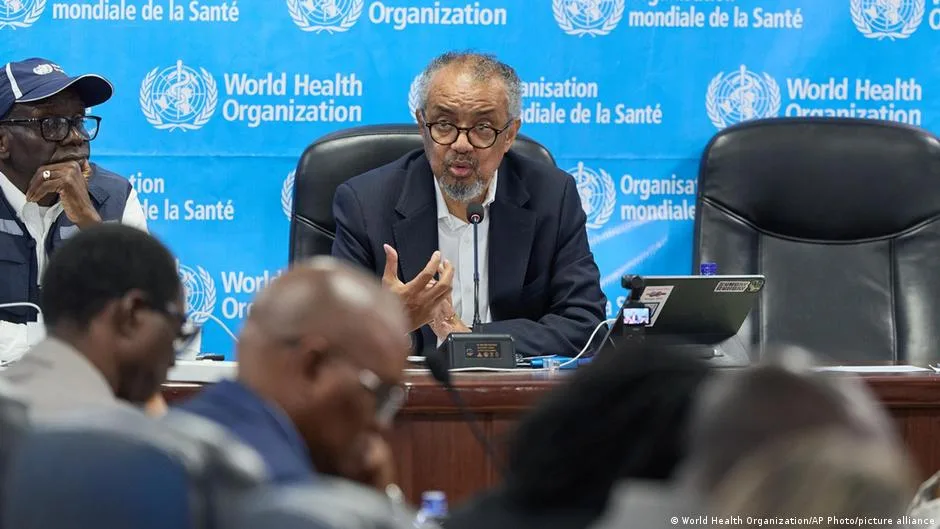
WHO Director-General Tedros Adhanom Ghebreyesus visited Kinshasa on August 5 to meet health and humanitarian partners. He warned that "the outbreak is spreading faster than our scale up of the response, with new cases doubling in some hotspots over the past week alone" and said, "We all agree that we must urgently and massively scale up all our efforts across all pillars of the response and by all partners" [1, 4, 3].
WHO spokesperson Tarik Jasarevic added, "The outbreak is unfortunately still expanding beyond the capacity of the response" [7], while acting WHO lead Dr. Vasee Moorthy described it as "now the largest the country has ever faced" [6]. The outbreak is being fueled by delayed detection, overwhelmed surveillance systems, ongoing military conflict, and the lack of vaccines and treatments [2].
About 17,000 contacts of confirmed cases are under monitoring, with over 80% receiving daily check-ups [5, 6]. To improve diagnostics and cross-border surveillance, Congo and Uganda have opened a mobile laboratory at the Kasenyi border crossing [3]. A recent health scare occurred in Kinshasa's Maluku municipality after a passenger on a crowded timber barge died exhibiting Ebola-like symptoms, prompting precautionary isolation [1, 4].
In response to the outbreak’s severity, the DRC is opening its largest-ever Ebola treatment facility to cope with the surge in patients [8]. The next critical step is scaling up funding, treatment capacity, and field teams, as urged by WHO, to match the outbreak’s rapid spread and reduce transmission chains [7, 5, 6, 3].