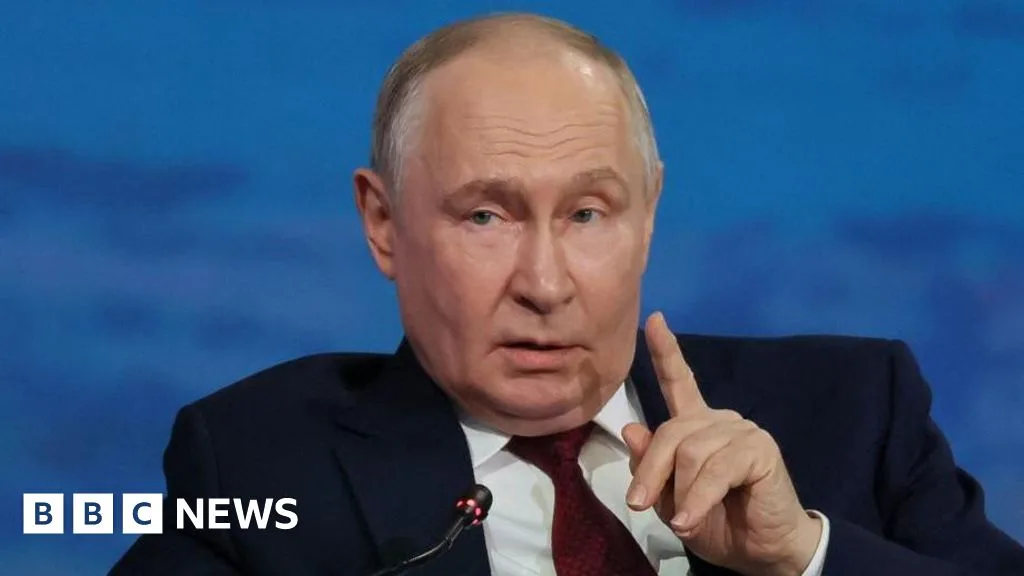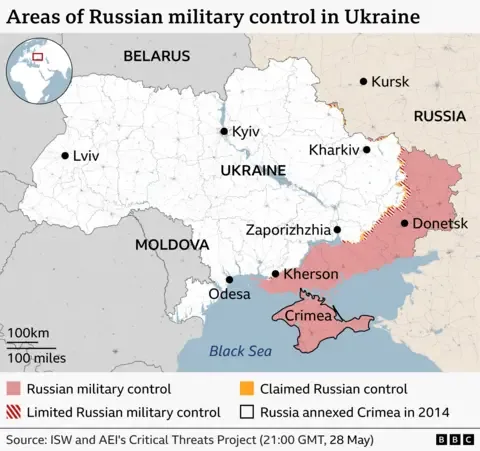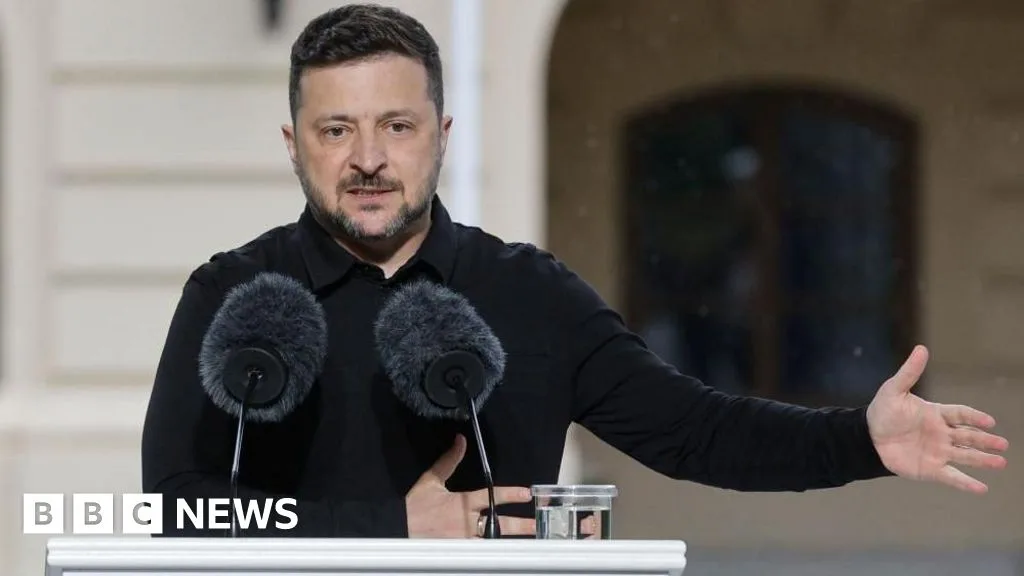
Ukrainian President Volodymyr Zelensky published an open letter on June 4 proposing a face-to-face meeting with Russian President Vladimir Putin to agree on ending the war between their countries [1, 2, 3, 4, 5, 6, 7]. Zelensky called for a full ceasefire during the proposed negotiations and said the meeting should take place in a neutral third country such as Switzerland, Turkey, or an Arab nation, explicitly rejecting Moscow as a location [1, 2, 4, 6, 7].
The letter was over 1,800 words long and sharply criticized Putin’s 26-year rule, describing the war as having no real cause [1, 3, 5, 6]. Zelensky wrote, "Do not be afraid to take the path out of this war. That is the main thing that is required of you now" and urged Putin to engage directly, warning that if he does not end the war, Ukraine will keep fighting for its existence [2]. Zelensky acknowledged the human cost to Ukrainians, saying, "We are losing our people, and every loss is painful to us" [1].
The Kremlin confirmed receipt of the letter and that Putin had been briefed on it, with the possibility of addressing it at the St Petersburg economic forum [1, 4, 6, 8, 7]. However, the following day Putin publicly rejected Zelensky’s proposal. He called the letter "rude" and said he saw "no point for now" in meeting Zelensky [9, 3, 6, 10]. Putin accused Zelensky of seeking to avoid a genuine face-to-face meeting and said that peace talks must precede any ceasefire instead of vice versa [9, 10]. He reaffirmed Russia’s stance that Ukraine must meet Moscow’s demands, including territorial concessions, for agreements to be long-term [9, 6, 7]. Putin stated, "The only point is for the Ukrainian side to halt the advance of our armed forces. But we need agreements - not for six months, not for three months, but for the long term" [9].
Zelensky responded to Putin’s refusal by accusing Russia of choosing war again, noting many around the world were disappointed by Putin’s answer [9]. Meanwhile, US President Donald Trump voiced support for the idea of direct talks, saying it would be "great if they met" and both sides should make compromises [1, 3, 4, 6, 7].
Russian nationalist figures and war bloggers denounced Zelensky’s letter as a public relations stunt aimed at stirring internal dissent in Russia rather than a sincere peace offer. Blogger Rybar said, "A significant portion of the letter consists of direct insults… Taken together, all this amounts to yet another attempt to stir up internal discontent in Russia" [11, 10].
The letter came amid renewed Ukrainian drone and missile strikes inside Russia, including attacks on St Petersburg during its economic forum where Putin was present [1, 3, 6, 7]. Peace talks have stalled for months after previous failed rounds in Geneva, Abu Dhabi, and Istanbul [1, 6].
The situation remains tense as both sides hold firm on their positions. Further developments could arise if new proposals or rounds of negotiations take place, but for now Putin’s refusal sets a bleak tone for immediate diplomatic progress.