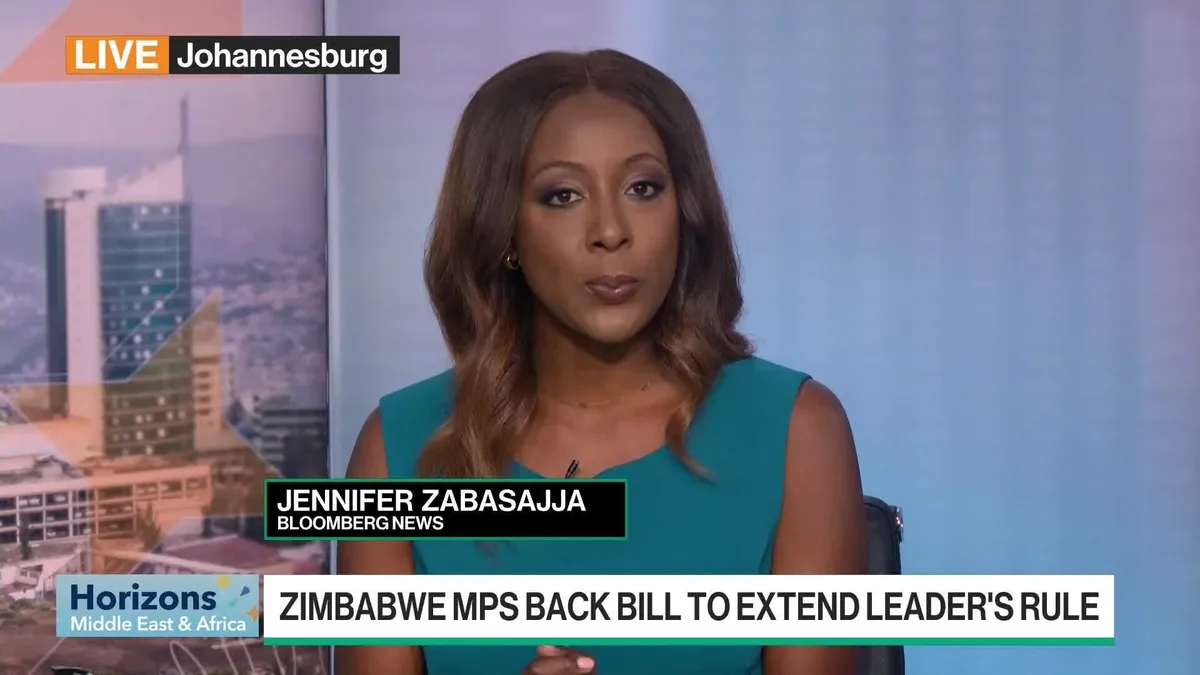
Zimbabwe's lower house of parliament passed a bill extending presidential and parliamentary terms from five to seven years, pushing elections from 2028 to 2030 and replacing direct presidential elections with parliamentary selection of the president [1, 2, 3, 4]. The bill passed on June 19 with 216 lawmakers voting in favor, surpassing the two-thirds majority of 187 votes required to amend the constitution, according to Jacob Mudenda, Speaker of Parliament [2, 3, 4]. Forty-two lawmakers voted against the bill [2, 4].
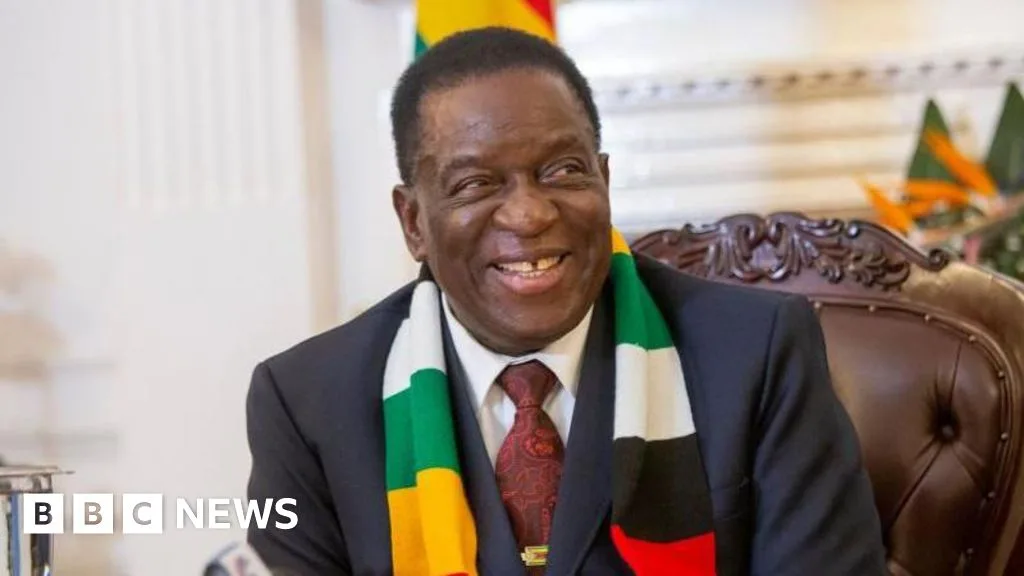
If the bill is approved by the Senate and signed by President Emmerson Mnangagwa, it would allow him to remain in office until 2030 rather than 2028 when his current term expires under existing limits [2, 3, 4]. Mnangagwa, 83, came to power in 2017 after military intervention ousted his predecessor Robert Mugabe [1, 2, 3, 4]. He won disputed elections in 2018 and 2023 [2, 4].
The ruling ZANU-PF party has long advocated amending the 2013 constitution to extend presidential terms and end direct election of the president. The party's plan received cabinet backing in February 2026, with momentum to push the bill through parliament this month [2, 3, 4].
Opposition parties, civil society, and constitutional lawyers have opposed the bill. They argue that major constitutional revisions like extending term limits require approval by a national referendum, which has not been held [2, 4]. The 2013 constitution caps presidents to two five-year terms and stipulates that extending term limits must be put to a public vote [4]. Legal challenges against the bill were dismissed by the constitutional court on technical grounds shortly before the vote [3, 4].
Supporters contend the amendments will improve accountability and political stability, though their claims remain disputed [2, 3, 4]. The bill now awaits approval from the Senate and the president's signature to become law [2, 3, 4].