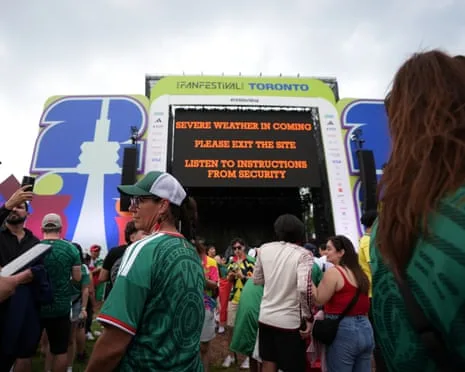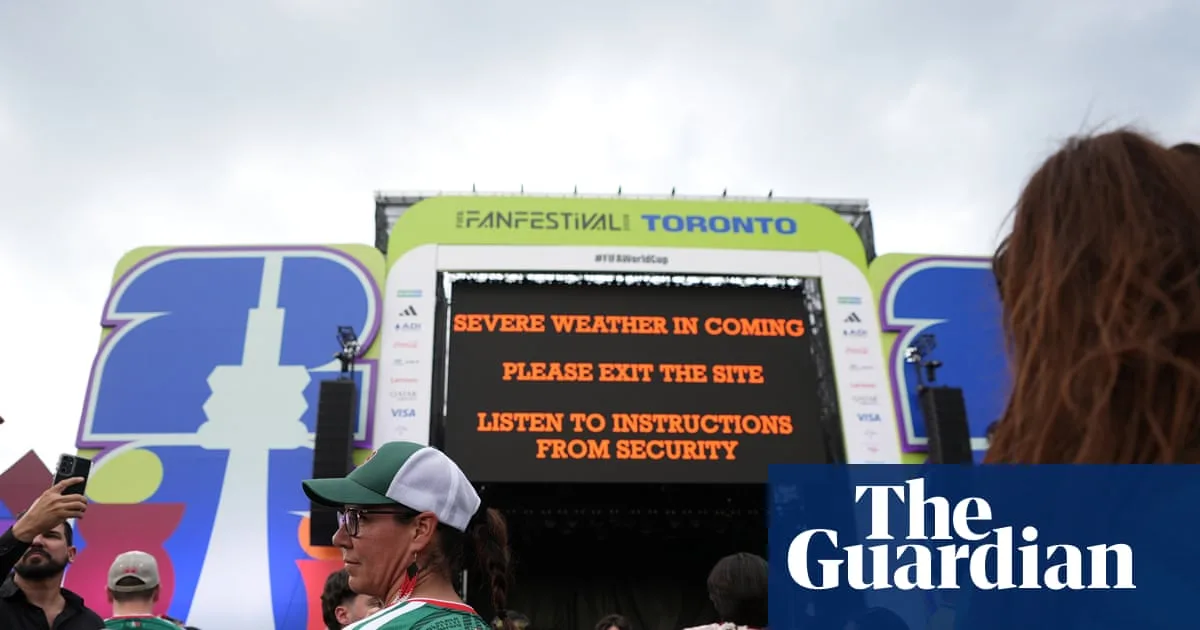
The 2026 World Cup, taking place across 16 cities in Mexico, the United States, and Canada, will expose players and fans to a range of summer weather hazards including heat, humidity, thunderstorms, and tropical storms [1, 2]. Matches have already been disrupted by weather, such as England’s warm-up game in Orlando, which was delayed for about an hour due to lightning and heavy rain [1]. US venues enforce safety protocols that pause play when lightning strikes occur within approximately eight miles, resuming 30 minutes after the last strike [1].
Thunderstorm risks are greatest in the central, eastern, and southeastern US, with Miami and Houston being particularly vulnerable to lightning. Houston’s stadium mitigation includes a retractable roof which reduces weather interruptions [1, 2]. Heat and humidity represent the broadest challenge, especially in cities like Monterrey that experience high temperatures and southeastern US venues with oppressive humidity [1, 2]. Biological sciences experts note that high humidity impairs the body's ability to cool through sweat evaporation, making heat stress more severe for athletes. "One of the hardest things for us is when the humidity is very high," said University of Oregon physiology professor Chris Minson [2].
FIFA uses the Wet Bulb Globe Temperature (WBGT) to assess heat stress risk, with 28°C WBGT considered unsafe for sustained exertion and 32°C marking the threshold for intervention [1]. A 2025 study projected that 14 of the 16 host cities will exceed 28°C WBGT at times during the tournament [1]. World Weather Attribution estimates about 25% of World Cup matches could be played under heat conditions surpassing recommended safety limits [2]. Research from Climate Central shows climate change has increased heat-related risk in 97 of the 104 matches, including a 70% chance that the Uruguay vs Spain match on June 26 in Guadalajara will see heat impairing player performance — 37 percentage points higher than if climate change had not occurred [2]. Professor Minson noted, "Seventy-five percent of all the energy that we utilize during exercise gets converted to heat. Only about 25% goes to actually doing the exercise," highlighting how heat burden can affect players on the field [2]. Dartmouth College's Ryan Calsbeek added, "Higher temperature, higher humidity is likely to slow games down," indicating the weather's impact on play style [2].
The tournament also coincides with the early Atlantic hurricane season, raising the risk of tropical storms developing over the Gulf of Mexico, Bay of Campeche, and western Caribbean. These conditions could threaten venues in Mexico, Miami, and Houston [1].
The World Cup kickoff week starting June 11 is forecasted to feature extreme heat, humidity, and thunderstorm risks across North American sites [2]. The ongoing presence of these weather threats means organizers and teams will need to monitor conditions closely throughout the tournament.