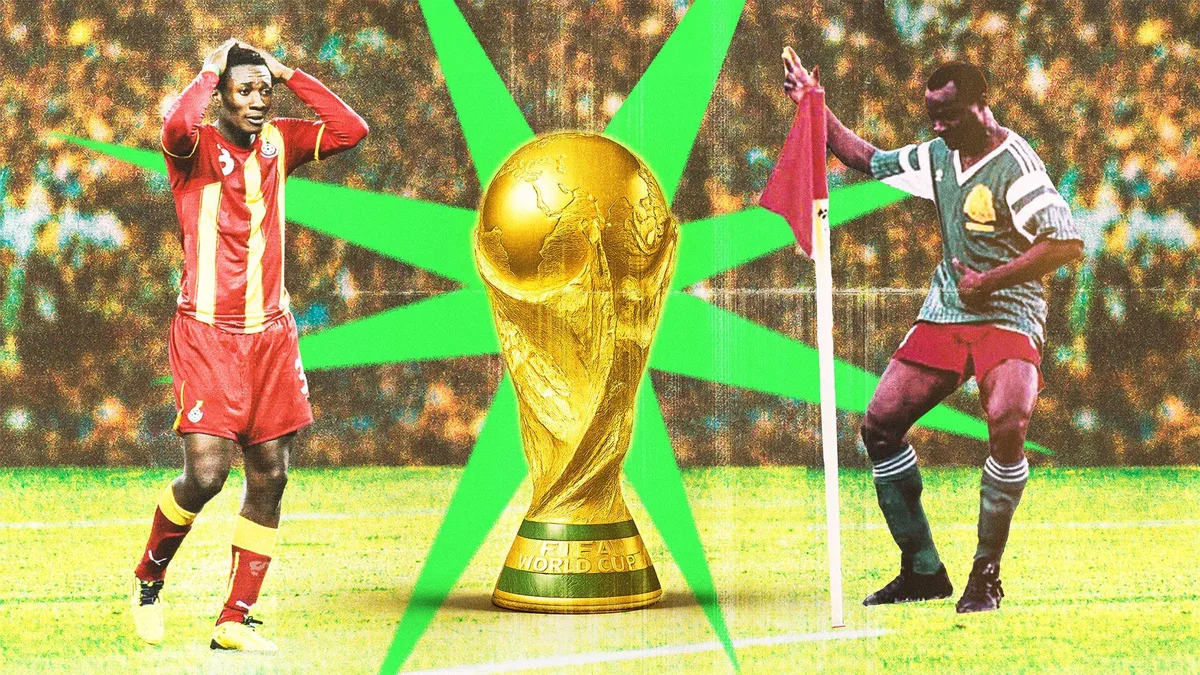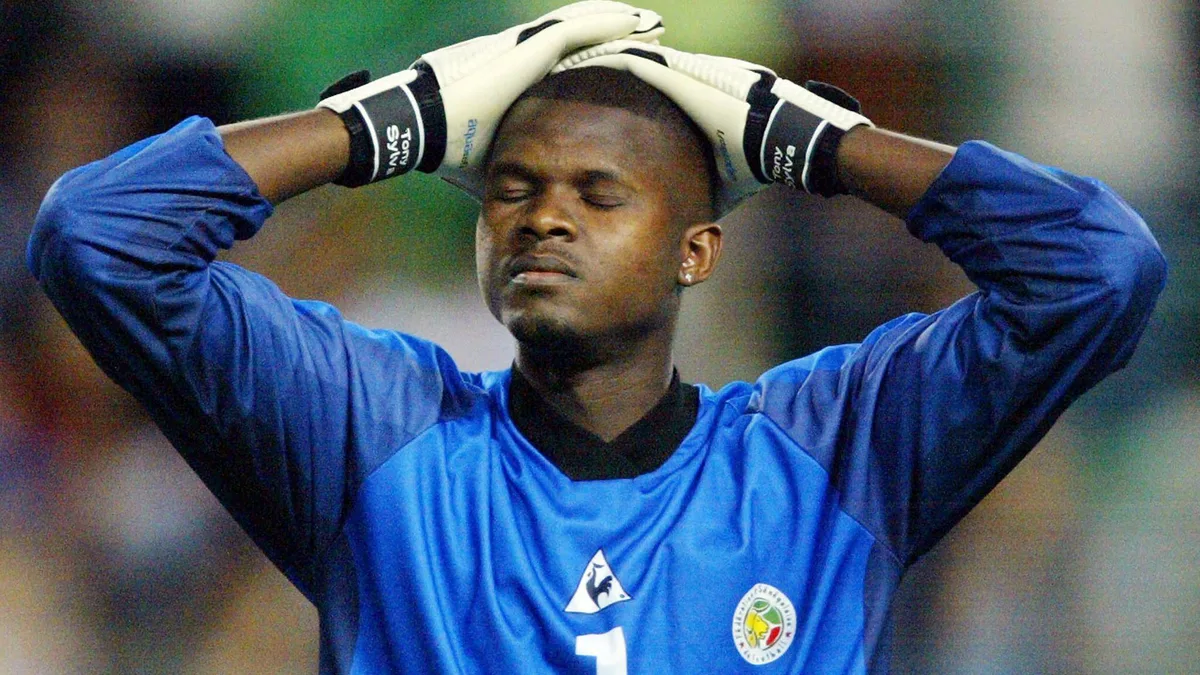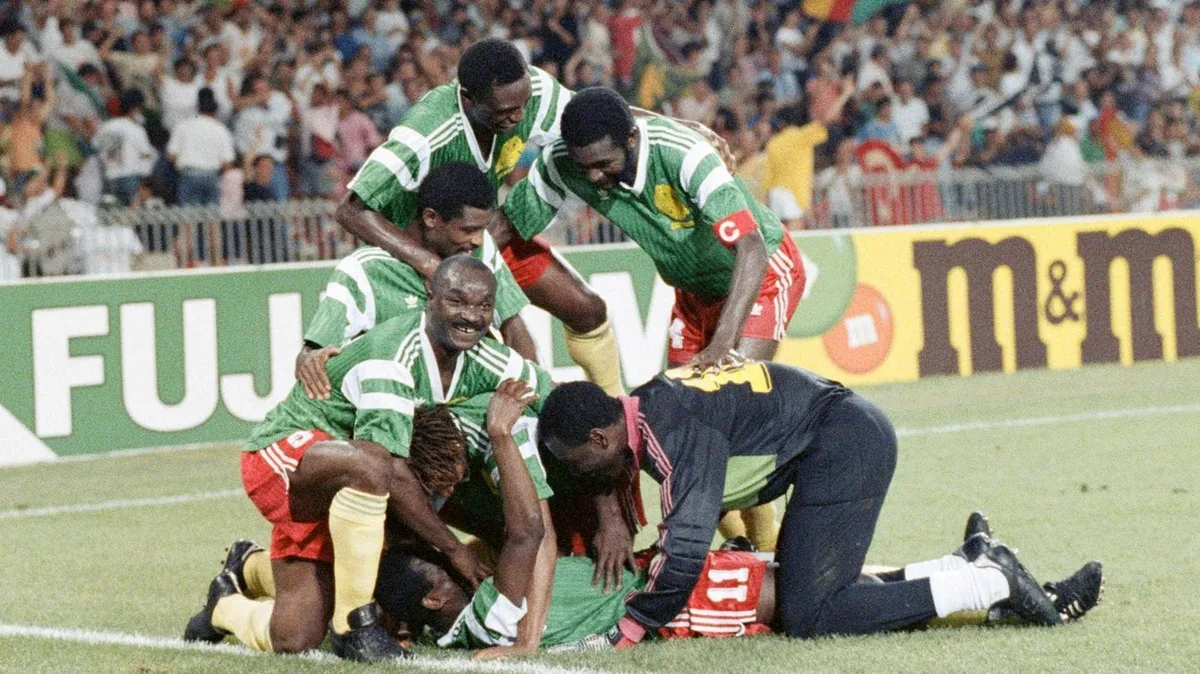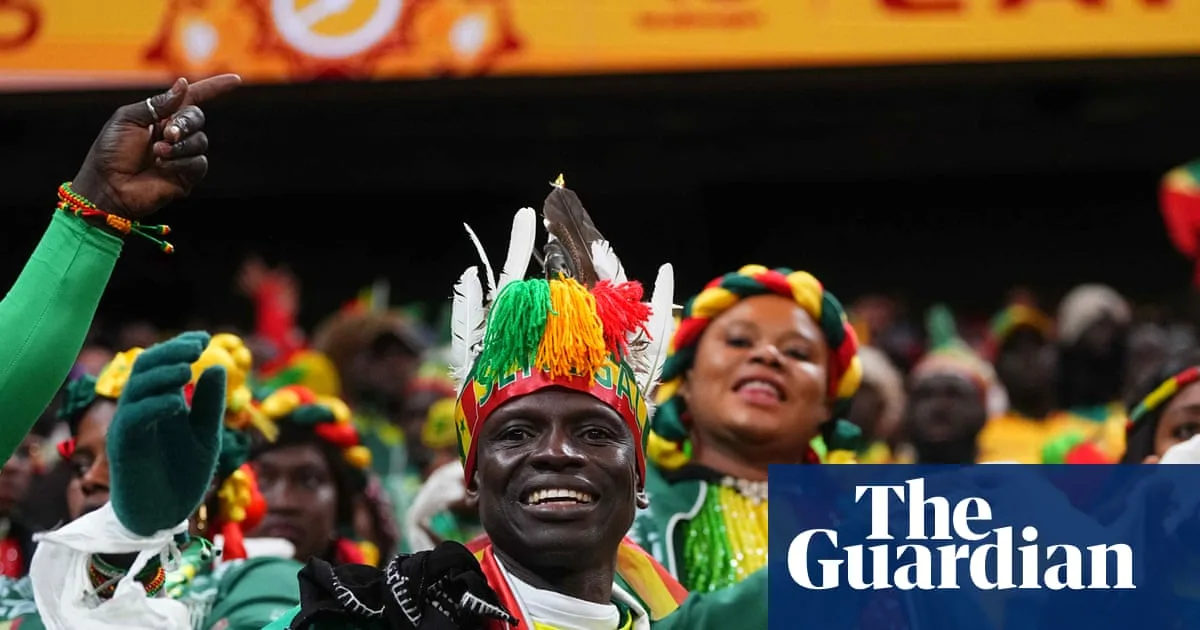
Africa has participated in 22 FIFA World Cup editions since 1930, with 49 teams from 13 countries representing the continent at various tournaments [1]. Before 2022, three African teams had reached the World Cup quarter-finals: Cameroon in 1990, Senegal in 2002, and Ghana in 2010 [1, 2].
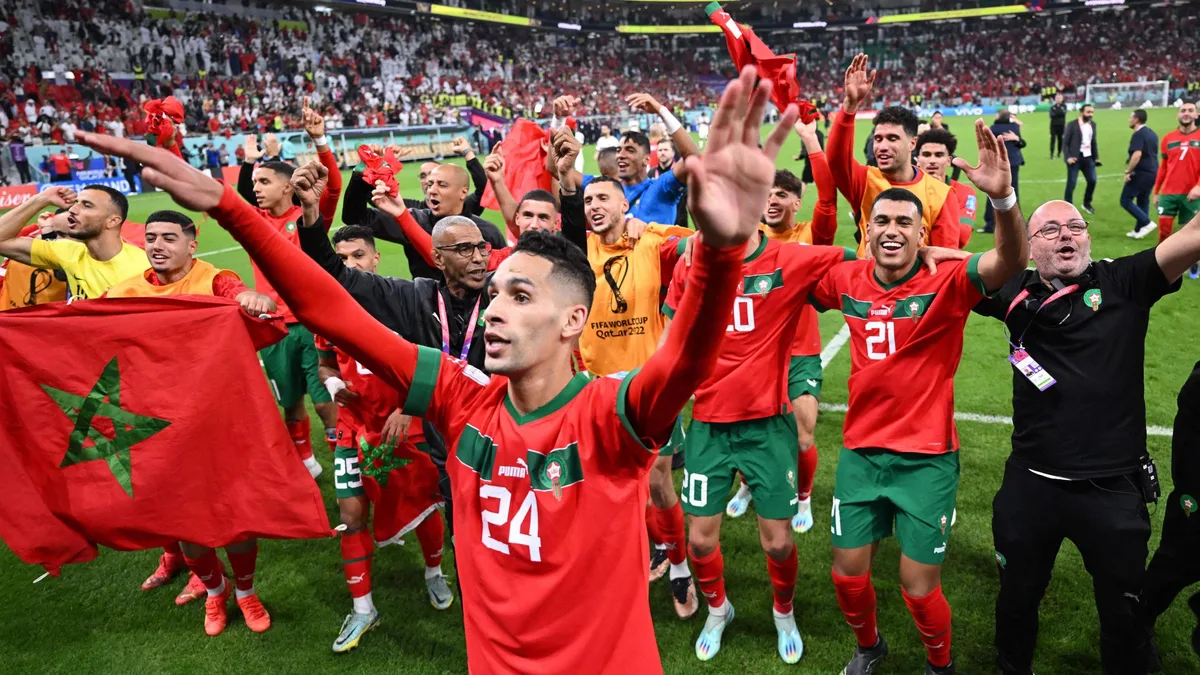
Morocco became the first African nation to reach a World Cup semi-final in Qatar in 2022, a historic achievement attributed to years of investment in football infrastructure and youth development. King Mohammed VI supported a $65 million training complex and football academy to build a foundation for success [1]. Nigerian defender William Troost-Ekong said, "Morocco has created a blueprint of how it can be done, which is years and years of investing in grassroot football and academies. It starts with structure, with planning. Investment [is] very, very important. It has to be something that comes from federations being supported from a governmental level" [1].
Despite abundant talent, former Cameroon goalkeeper Joseph-Antoine Bell criticized African football governance for underperformance at the World Cup. He stated, "Our football is not really improving … we don’t challenge ourselves to be excellent. Before the 1960s, Africa already had good players in Europe, which means that we are not lacking players. What have we won at the World Cup?" Bell also warned African teams that with the World Cup expanded to 48 teams, "going beyond the first round can no longer be the target … The target is winning [the World Cup], and the dream is not out of reach" [2].
A record 10 African nations have qualified for the upcoming 2026 World Cup: Algeria, Cape Verde, Côte d’Ivoire, DR Congo, Egypt, Ghana, Morocco, Senegal, South Africa, and Tunisia [2]. Notably, strong traditional sides Cameroon and Nigeria failed to qualify this year [2]. Bell highlighted Morocco’s leadership in African football success and named Senegal, Côte d’Ivoire, and Egypt as other top contenders for the tournament [2].
Sunday Oliseh, former Nigerian player, said, "If there's something I want to see before God takes me to heaven or hell it would be great to see an African nation win [the World Cup], because this is a tournament that we all love passionately in Africa" [1].
The expanded 2026 tournament offers increased opportunity for Africa to make an impact after decades of participation without securing the title once predicted by Pelé in the 1970s to occur by 2000 [1, 2]. The 10 qualified African teams now prepare to compete in the largest World Cup in history.