Cape Verde marked their first-ever World Cup appearance in 2026 by advancing to the Round of 32, a historic achievement for the island nation with a population of about 500,000 [1, 2, 3, 4]. They became the least populous country ever to reach a knockout stage at the tournament [2, 5, 4].
In the group stage, Cape Verde held former champions Spain and Uruguay to draws, a remarkable feat for a team ranked between 64th and 67th in the world entering the tournament [1, 2, 6, 4]. They drew 0-0 with Spain on June 15 and 2-2 with Uruguay on June 20, showcasing their resilience [6, 4].
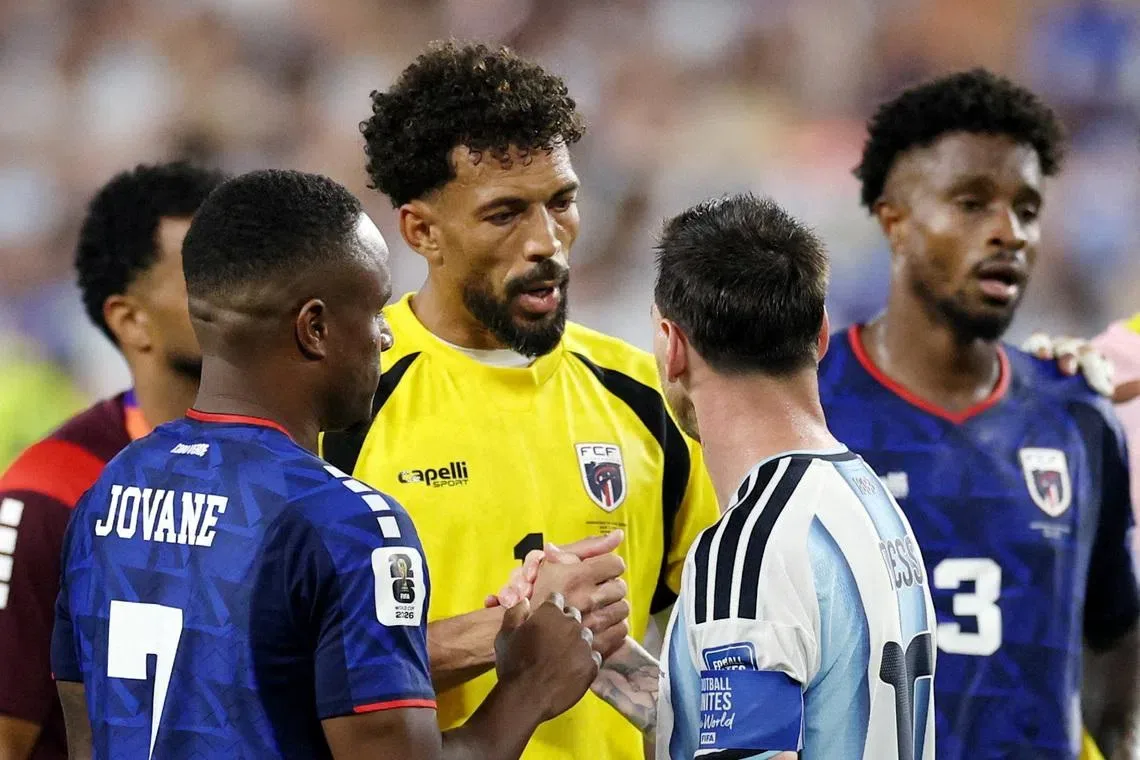
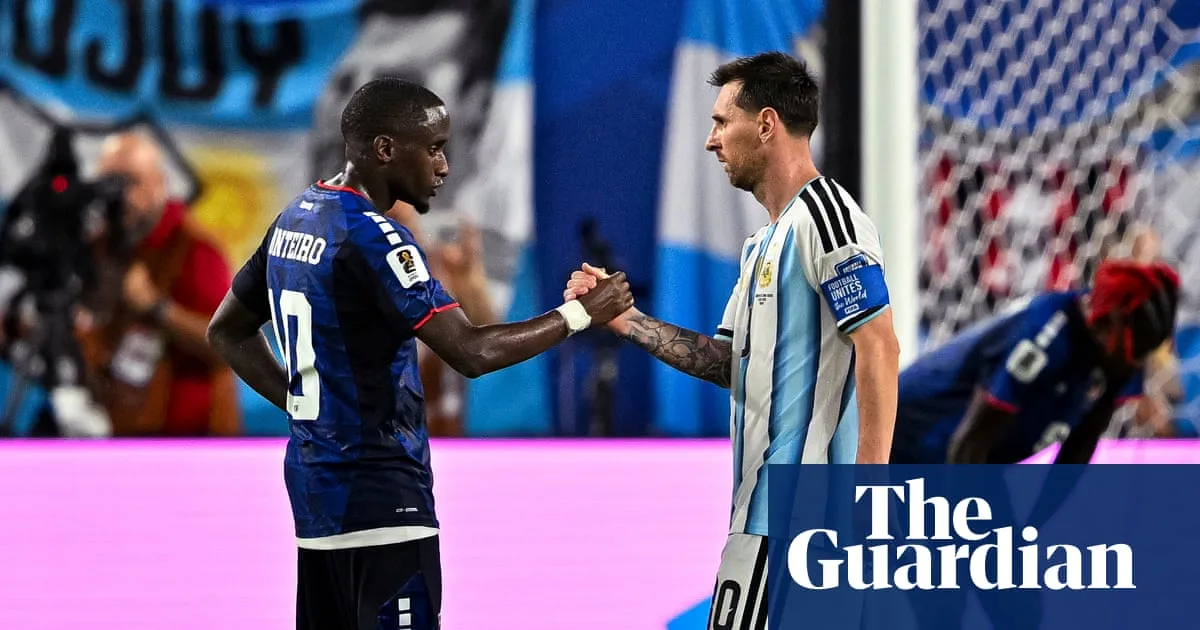
Their Round of 32 match against Argentina in Miami on July 2 or 3 was a thriller. Cape Verde twice came from behind before narrowly losing 3-2 after extra time due to a late own goal [1, 3, 7, 4]. Sidny Lopes Cabral scored a standout goal late in the game [3, 4]. Goalkeeper Vozinha, age 40, was a standout performer and social media sensation, gaining around 20 million followers post-tournament [1, 3, 6, 4]. He said, "Today we fought Argentina on equal terms. We fought for the result. We didn't manage it, but that's football." [1]
Cape Verde's squad included diaspora players from the Netherlands, Portugal, France, Ireland, and the U.S., assembled under coach Bubista, who said, "We are a small nation but we have shown that we can face any team and go toe to toe. Being our first time in the World Cup, we feel extremely proud of what we have accomplished in this tournament." [1, 3]
Argentina coach Lionel Scaloni called the match "ugly" for his team and admitted it was much tougher than expected: "Everyone thought it was going to be a walk in the park, but we knew it wouldn't be. The match was ugly for us. We struggled." [4]
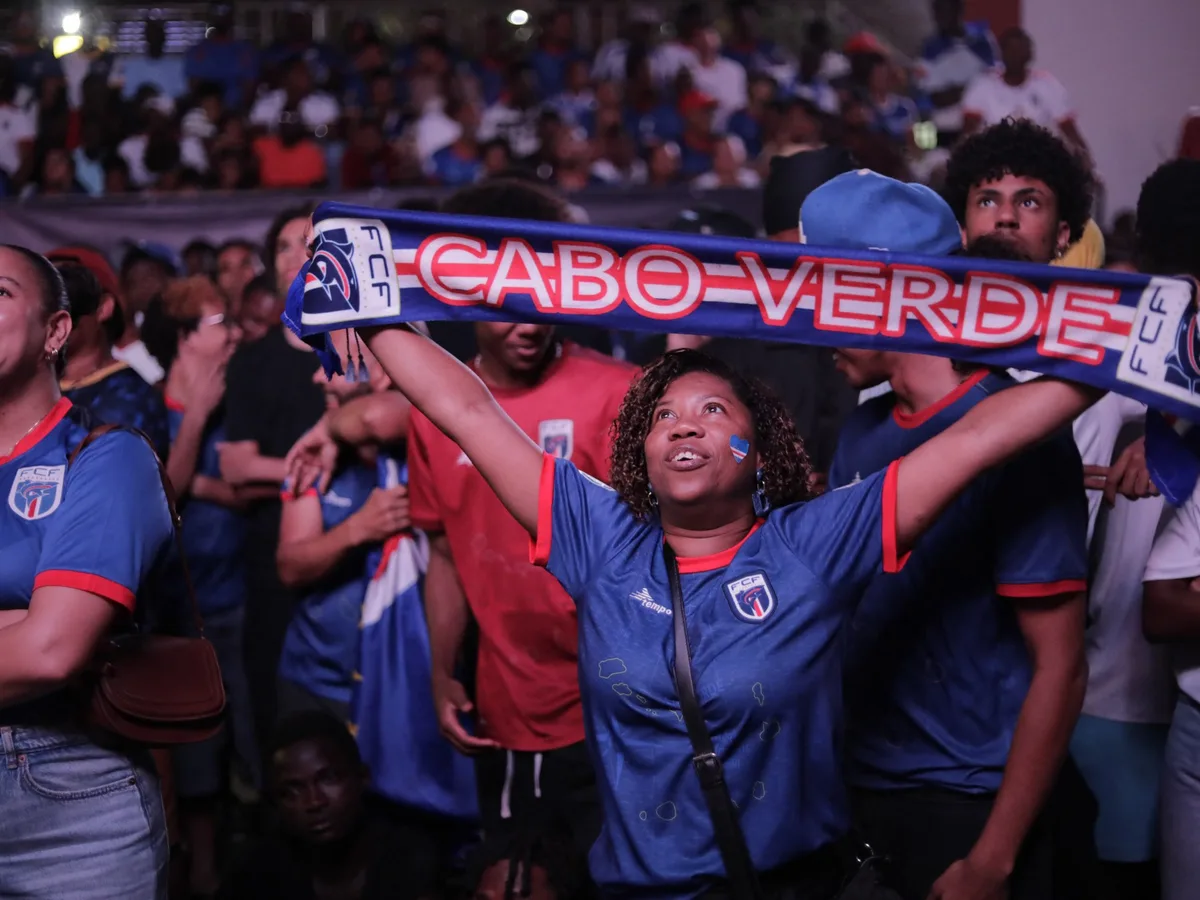
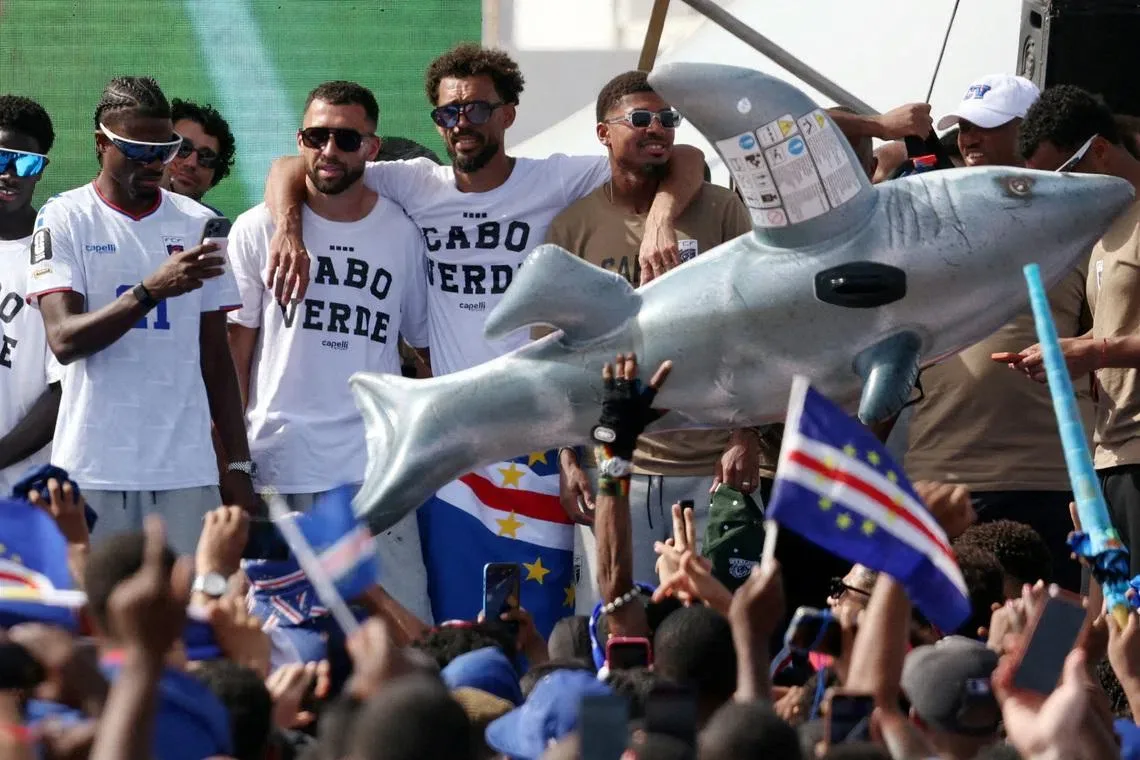
The Cape Verde team returned home to a heroes’ welcome on July 5 — the nation’s Independence Day — with thousands greeting them in the capital Praia [2, 8, 5]. Fan Prieto Fernandes said, "Now, the whole world knows about Cabo Verde – that’s how you pronounce it, not Cape Verde. We do everything with a big heart and it’s there for everyone to see." [6]
Cape Verde's World Cup run inspired pride across the global African diaspora and introduced many to the island nation off West Africa's coast [9, 6]. The team’s achievement stands as a milestone for a small nation competing on football’s biggest stage.