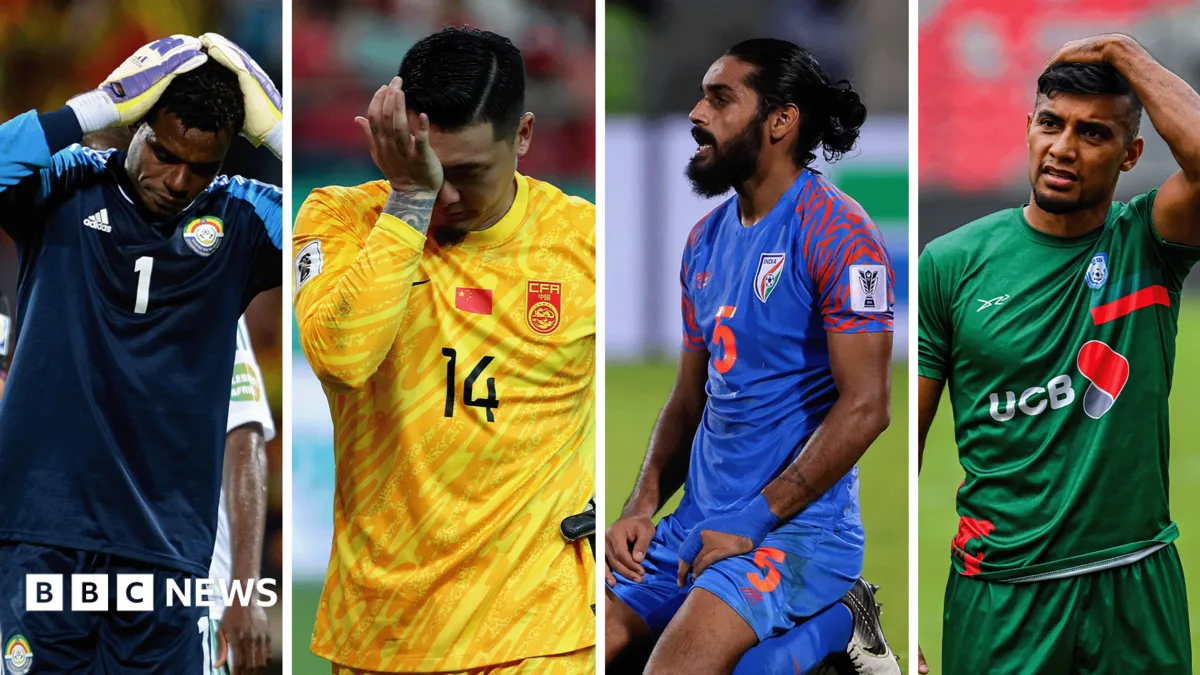
Only two of the world's 10 most populous countries, the United States and Brazil, qualified for the 2026 FIFA World Cup. The remaining eight, including China, India, Indonesia, Bangladesh, Pakistan, and Ethiopia, all failed to make the tournament [1, 2, 3, 4].
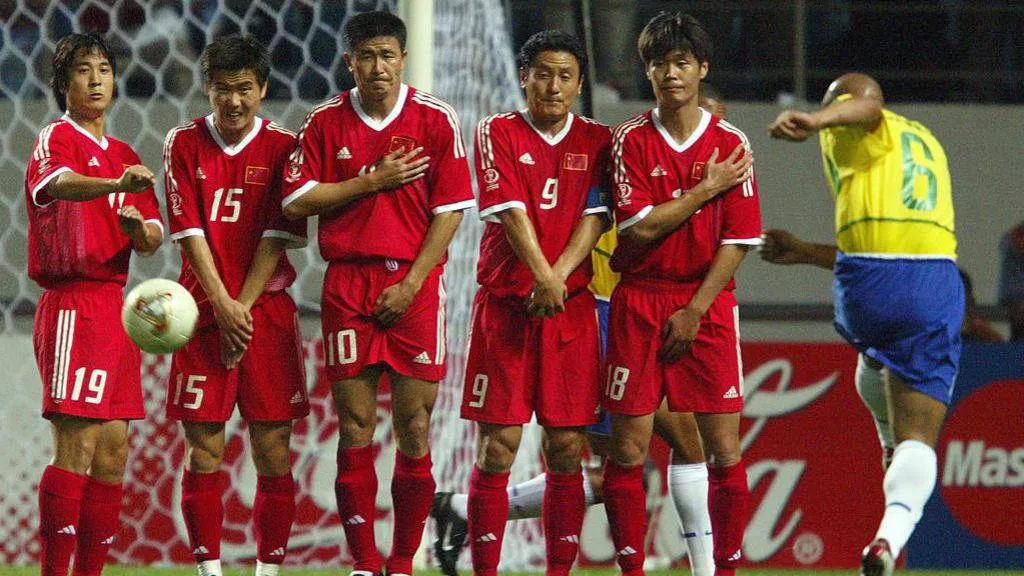
China, with a population of 1.4 billion, and Indonesia have each only appeared once previously at the World Cup. China last qualified in 2002, while Indonesia's sole appearance also dates back decades [1, 2, 3, 4]. India, Bangladesh, Ethiopia, and Pakistan have never qualified for the finals. India did qualify in 1950 but withdrew less than a month before the tournament began [1, 2, 3, 4].
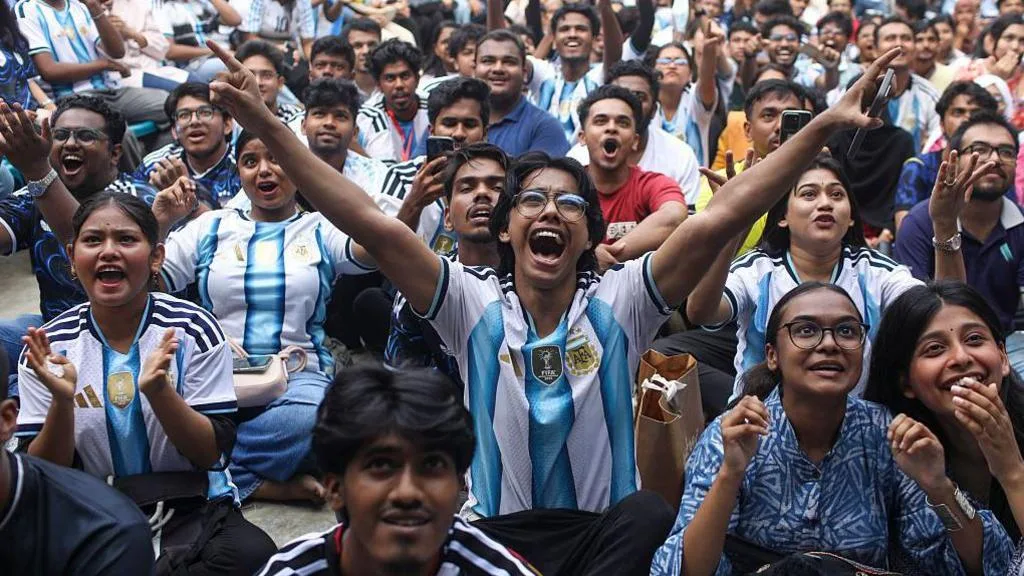
Many football fans in Bangladesh, India, Indonesia, and China passionately support foreign teams like Argentina despite their own nations' absence. In China alone, estimates suggest 30 to 40 million football fans follow teams such as Argentina, whose star Lionel Messi scored his first 2026 World Cup goal recently, celebrated in cities like Dhaka [1, 2, 3, 4].
Experts emphasize that population size does not predict football success. Wealth, infrastructure, talent development, and deep football culture are more important. Economist Stefan Szymanski said, “Football is very similar to how national economies work. For them to thrive, you need people. But then you also need capital and infrastructure” [1, 2, 3].
Countries with smaller populations but long football histories have outperformed giants in World Cups. For example, Uruguay won multiple early World Cups due to decades of accumulated experience despite its small population [1, 3].
Poor infrastructure limits some nations. Ethiopia has never qualified and reportedly has only three approved stadiums for over 380 league matches, highlighting severe constraints [1, 3].
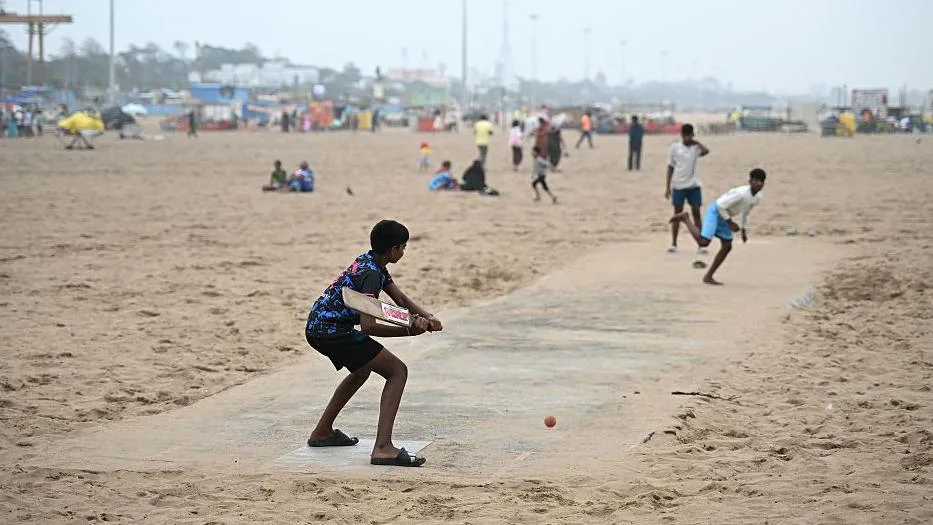
In India, cricket's huge popularity, buoyed by the lucrative Indian Premier League, draws talent and sponsorship away from football. While some attribute football's weakness mainly to cricket, others note similar cricket-playing countries like Australia and New Zealand have stronger football programs [1, 3, 4].
China's football development has been hindered by government control, corruption scandals, and political interference. Large investments have yielded limited success. The former Chinese Football Association chairman was sentenced to life in prison for accepting bribes totaling about 11 million USD [1, 3, 4]. Mark Dreyer said, “From a theoretical standpoint, China has no reason not to produce world-class footballers. The biggest problem is the top-down government control. Football decisions should be made by those who understand the sport, but political interference is too high” [3].
Audite Karim said, “A country with millions of football fans falling so far behind in football development is unacceptable” [1]. In India, coach Shyam Thapa urged parents to recognize that football can be lucrative if success is achieved [3].
The 2026 FIFA World Cup began on June 11, and matches continue to draw large global audiences despite many populous countries missing out [4]. Lionel Messi’s goal on June 17 sparked celebrations in multiple cities across Asia despite the absence of local teams [1, 2, 3, 4].