UEFA’s 55 member associations have voted to boycott all FIFA competitions until FIFA drops plans to sell stakes in its tournaments to private investors, a measure aimed at pressuring FIFA amidst leadership concerns [1, 2, 3]. The boycott threat remains despite FIFA scrapping the investment proposal and President Gianni Infantino’s subsequent apology, as UEFA says it has yet to regain confidence in Infantino’s leadership [1, 2, 3].
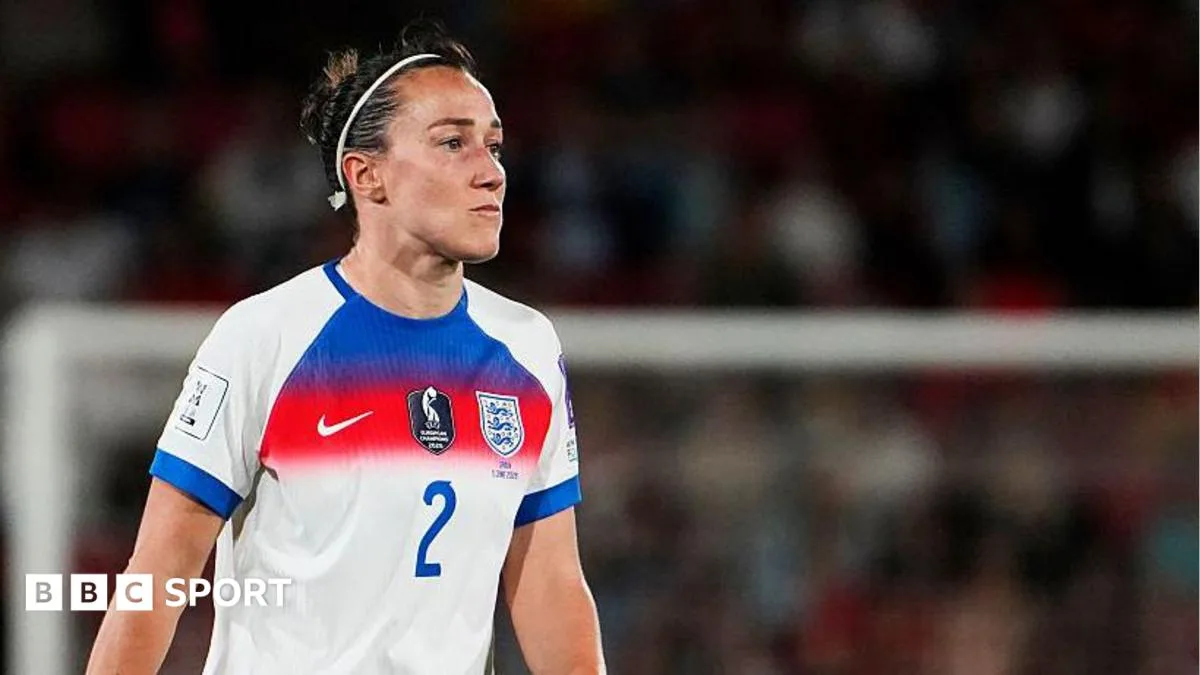
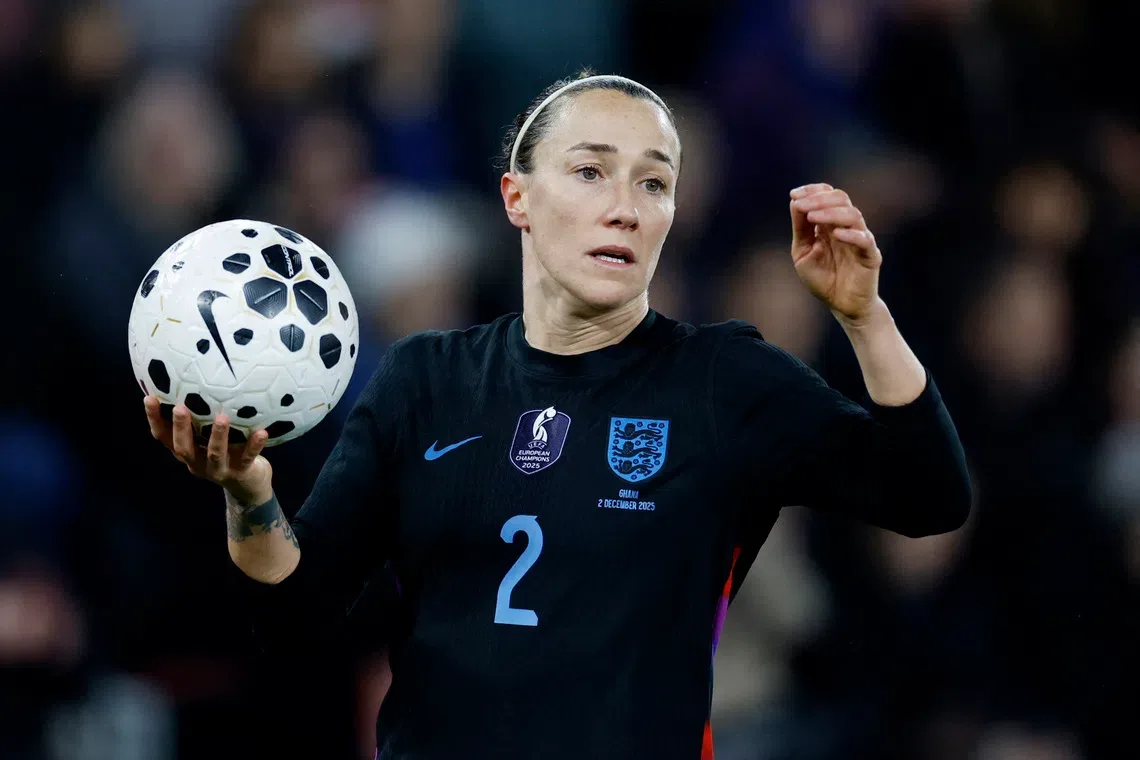
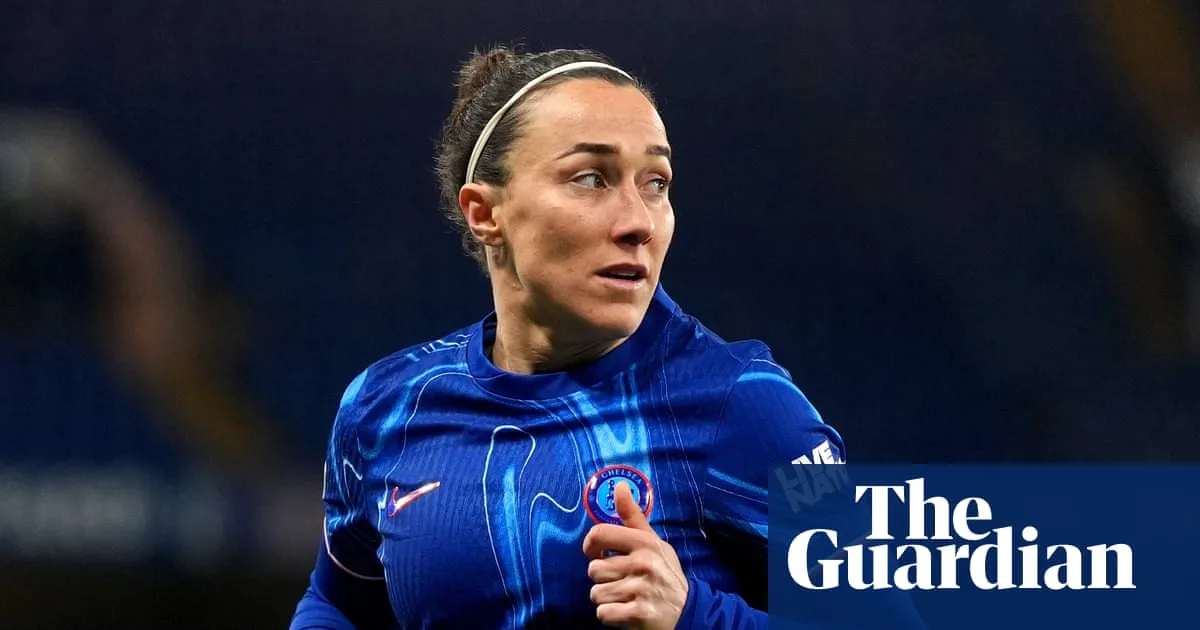
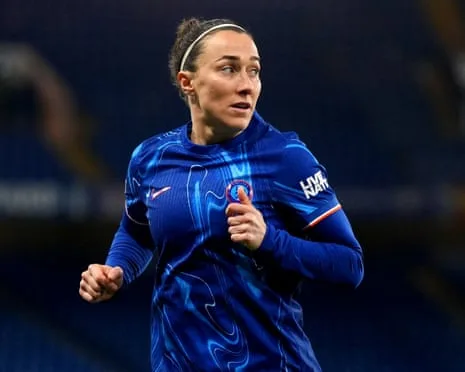
At 34, England defender Lucy Bronze publicly supported UEFA’s boycott stance during Chelsea’s pre-season tour in New Zealand ahead of a friendly against Auckland FC. She said, “I think the players who play in those competitions, the European players, we stand by our beliefs and what the right thing is for our game. And if that means boycotting competitions, then that has to happen. It’s for the future of the game and not just for me today and tomorrow” [1, 2, 4, 3].
Women’s football may be the first to feel the impact. The FIFA Under-20 Women’s World Cup is scheduled to begin September 5 in Poland, featuring six European teams including England, France, Italy, Portugal, Spain, and hosts Poland. This tournament could be the initial test of UEFA’s boycott [1, 2, 4, 3]. Anita Asante, former England player, said, “The first casualties will be women’s football tournaments. If this isn’t resolved by the time of England’s qualifiers, then the impact could be huge and it is already a busy schedule” [1]. Baroness Campbell added, “It is tragic that women’s football could be first to be affected” [1].
In October, European teams—England, Scotland, Wales, Northern Ireland, and Ireland—will compete in qualifying playoffs for the 2027 Women’s World Cup in Brazil. Should the boycott proceed, these teams, including defending champions Spain, might miss out on the tournament [1, 2, 3].
The English Football Association has also withdrawn support for Infantino, with other associations like Wales, Albania, and Croatia distancing themselves from FIFA’s president [1]. Meanwhile, Channel 4 confirmed it will air the knockout stages of the Women’s African Cup of Nations live in the UK for the first time, and the FA appointed Sian Massey-Ellis as senior manager for women referees [4].
The next key milestone to watch is the start of the Under-20 Women’s World Cup on September 5, which could reveal the immediate impact of the ongoing boycott dispute [1, 4, 3].