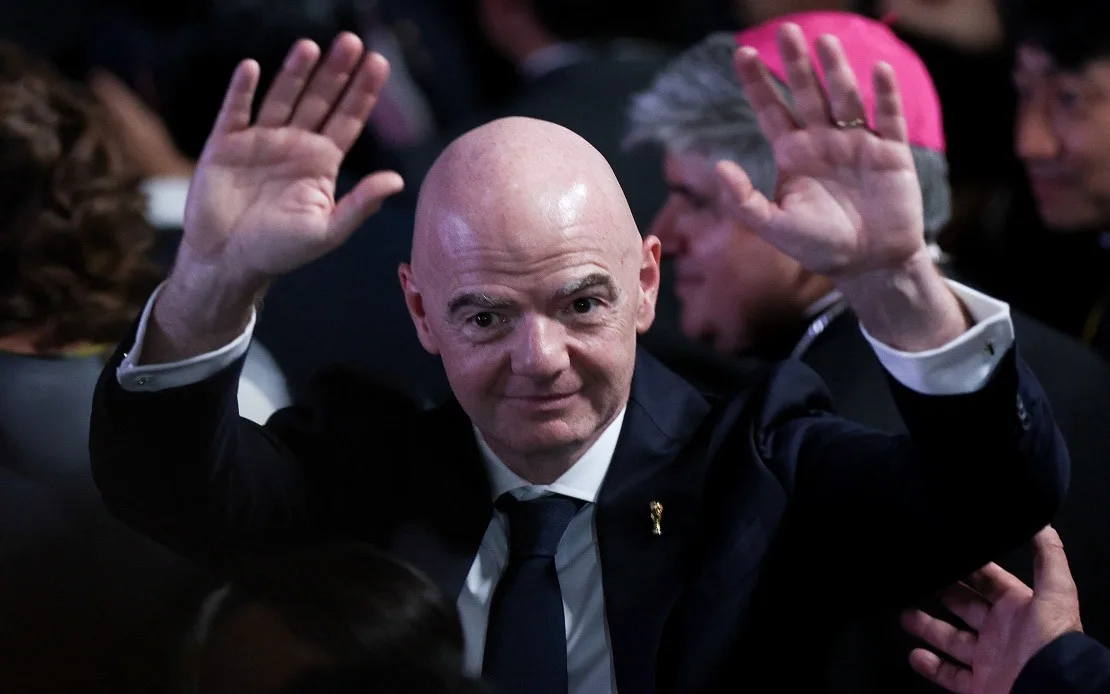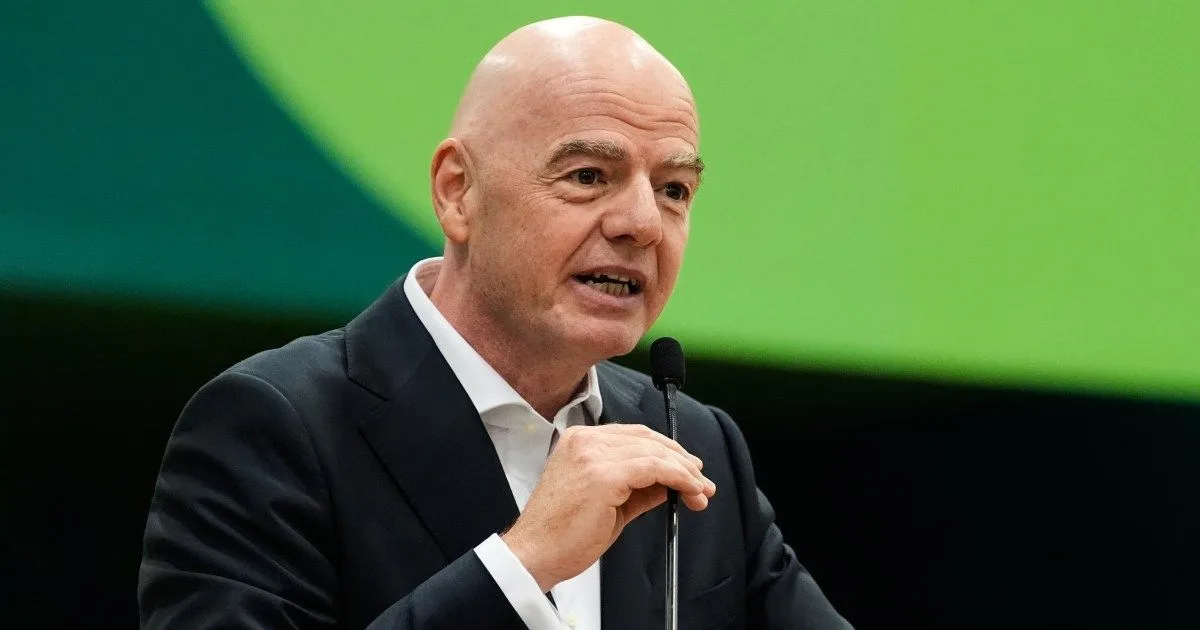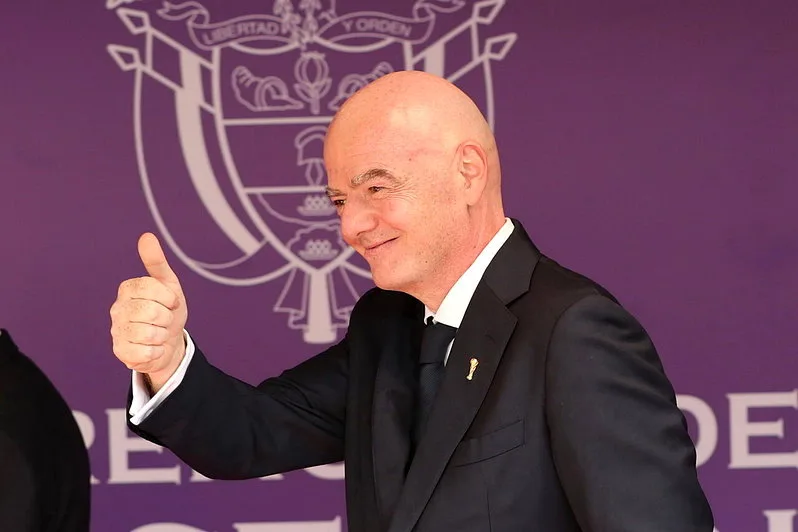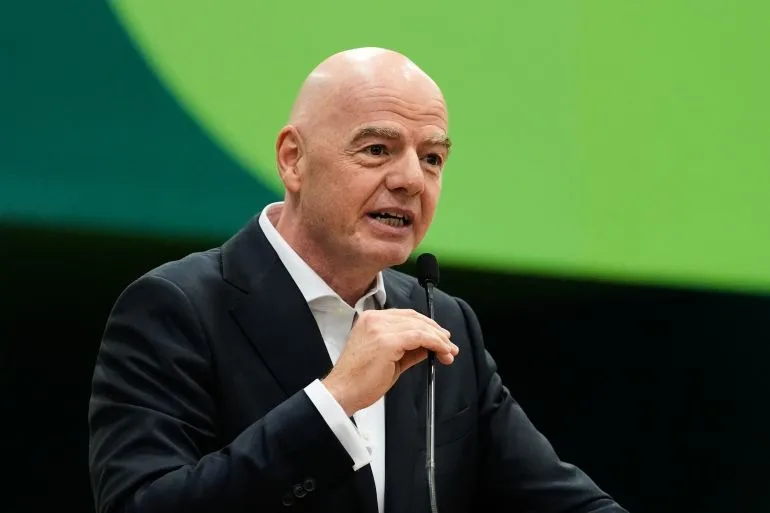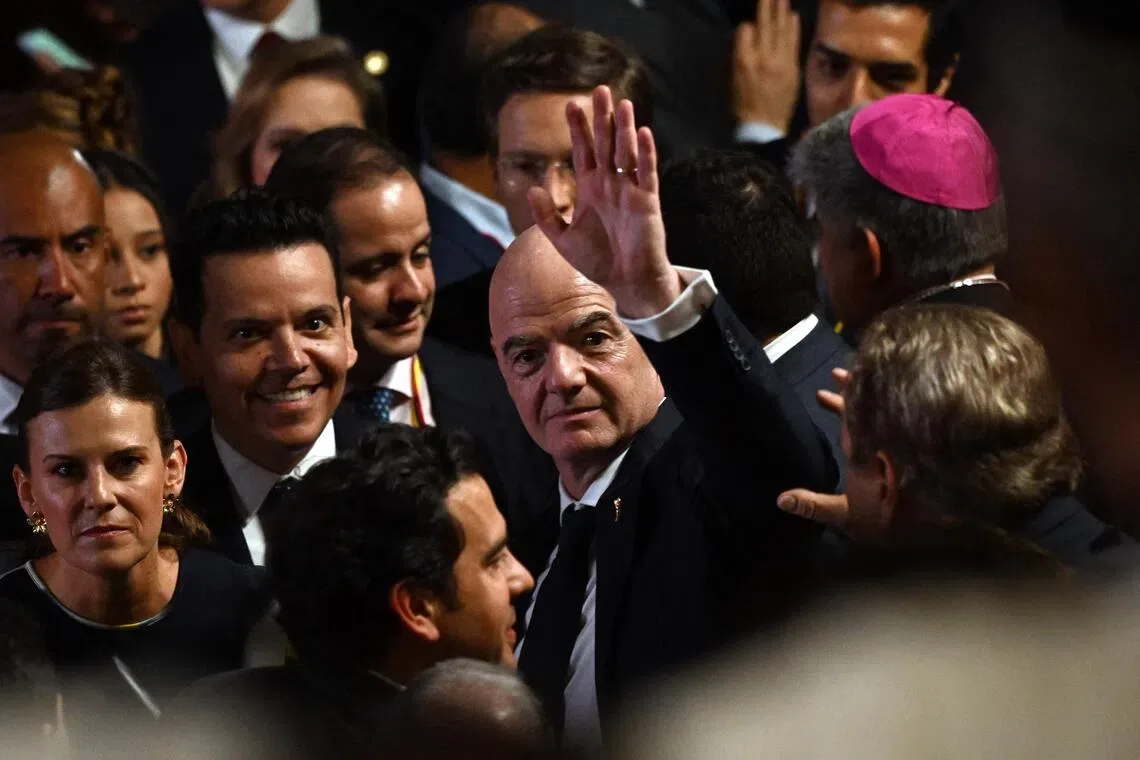
FIFA president Gianni Infantino is under heavy criticism following his shelved plan to raise about $4.2 billion through private investment by selling a stake in World Cup commercial rights [1, 2, 3, 4, 5, 6, 7]. The plan sparked backlash amid concerns over transparency and governance.
The football federations of the United States and Canada, two co-hosts of the 2026 World Cup, have publicly opposed Infantino and called for improved FIFA governance, transparency, and accountability [1, 8, 3]. In contrast, Mexico, the third host nation, supports Infantino’s leadership, creating a rare split among the hosts [1, 8, 3].
European football’s governing body UEFA has been particularly critical of Infantino. Reports emerged on August 9 about a six-figure "departure payment" to a female UEFA employee allegedly involved with Infantino during his tenure as UEFA general secretary, accusations he denies [2, 4, 5, 6, 9, 7]. UEFA has warned that member nations could boycott FIFA competitions, including the World Cup, if leadership issues are not addressed [6, 10].
Norway’s football federation and other European officials have joined calls for Infantino to resign, adding to the mounting pressure [2, 6, 10, 9]. Javier Tebas, president of La Liga, stated bluntly, "For me, Gianni Infantino’s time has long since passed. Gianni Infantino is not someone who contributes to the growth of football. On the contrary, his projects are destroying the very essence of the sport: the national leagues. Football is not limited to the elite. For me, the Infantino era is over" [2].
FIFA has defended Infantino vigorously. A statement on August 8 warned against unauthorized attempts to undermine him, emphasizing that he was democratically elected by FIFA’s 211 member associations and condemning efforts to challenge him through allegations or processes outside FIFA statutes [11, 4, 5, 12, 6, 9, 7]. "FIFA will not support, facilitate or tolerate any process concerning the election of the FIFA President that is inconsistent with FIFA’s Statutes, democratic procedures and established governance framework," the organization said [11]. It added that "Those who do not have the support of FIFA’s Member Associations should not seek to achieve through allegation, insinuation or misinformation what they cannot achieve through FIFA’s established democratic processes" [6].
FIFA leadership held a crisis meeting in Morocco on August 9 and reaffirmed support for Infantino despite ongoing controversy over the private investment proposal [4, 6, 9]. The organization continues to face calls for governance reform while navigating deep divisions within the football community.
The football federations of the US and Canada reiterated their opposition to Infantino and demands for reform in a joint public statement today, August 10, keeping pressure on FIFA’s leadership in the run-up to the 2026 World Cup [1, 8, 3].