FIFA is conducting a study to assess the impact of expanding the World Cup from the current 48 teams to 64 teams beginning with the 2030 edition. The analysis will consider operational, commercial, and competitive effects of the proposed format change [1, 2, 3, 4, 5].
The 2030 World Cup will be jointly hosted by Morocco, Portugal, and Spain. To celebrate the centennial of the tournament, Argentina, Paraguay, and Uruguay will each host one match [1, 2, 3, 4]. Last year, CONMEBOL officially proposed the 64-team format for the 2030 edition [1, 2, 3, 4].
According to a FIFA research brief, an independent agency will be appointed to determine whether and how expanding the tournament would affect its value and sustainability. "FIFA wishes to appoint an independent agency to determine whether and how expanding the FIFA World Cup from 48 to 64 participating national teams, starting with the 2030 edition, would impact on the tournament proposition," the document states. It adds the final recommendation will show if a 64-team event can generate not just incremental, but sustainable value [1].
The agency selection deadline is August 14. Once chosen, the agency will have four weeks to complete and deliver its analysis by September 11 [1, 2, 3, 5]. FIFA launched a fast-tracked tender process on July 30 to find suitable firms interested in conducting the study [5].
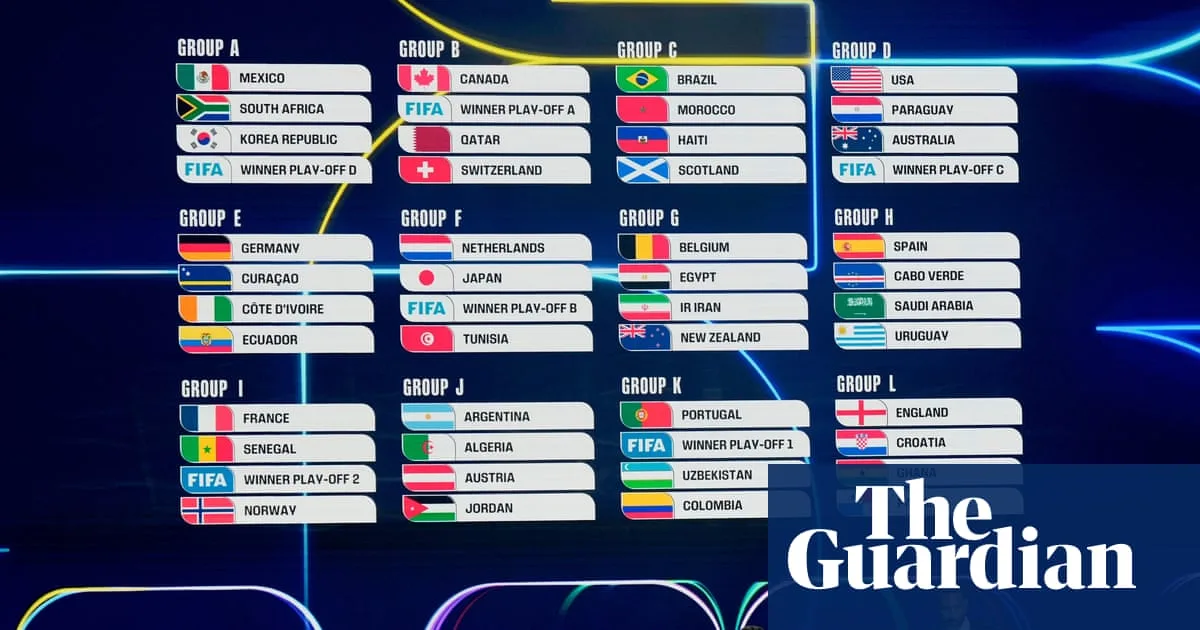
The 2026 World Cup, scheduled in the US, Canada, and Mexico, was expanded from 32 to 48 teams, adding four groups and an extra knockout round. That tournament will feature 104 matches and is set to take place in November 2026 [1, 3, 4, 5].
FIFA also plans to create a $20 billion subsidiary to manage the World Cup and other events with outside investors. The investment plan has drawn criticism and led UEFA to threaten a boycott of FIFA events [1, 2, 4, 5]. UEFA President Aleksander Ceferin said expanding to 64 teams "was not a good idea." CONCACAF and UEFA have publicly opposed the 64-team expansion [2, 4, 5].
Some reports state that certain FIFA member associations were not informed about the tender process before it began, though official sources do not confirm this discrepancy [2, 5].
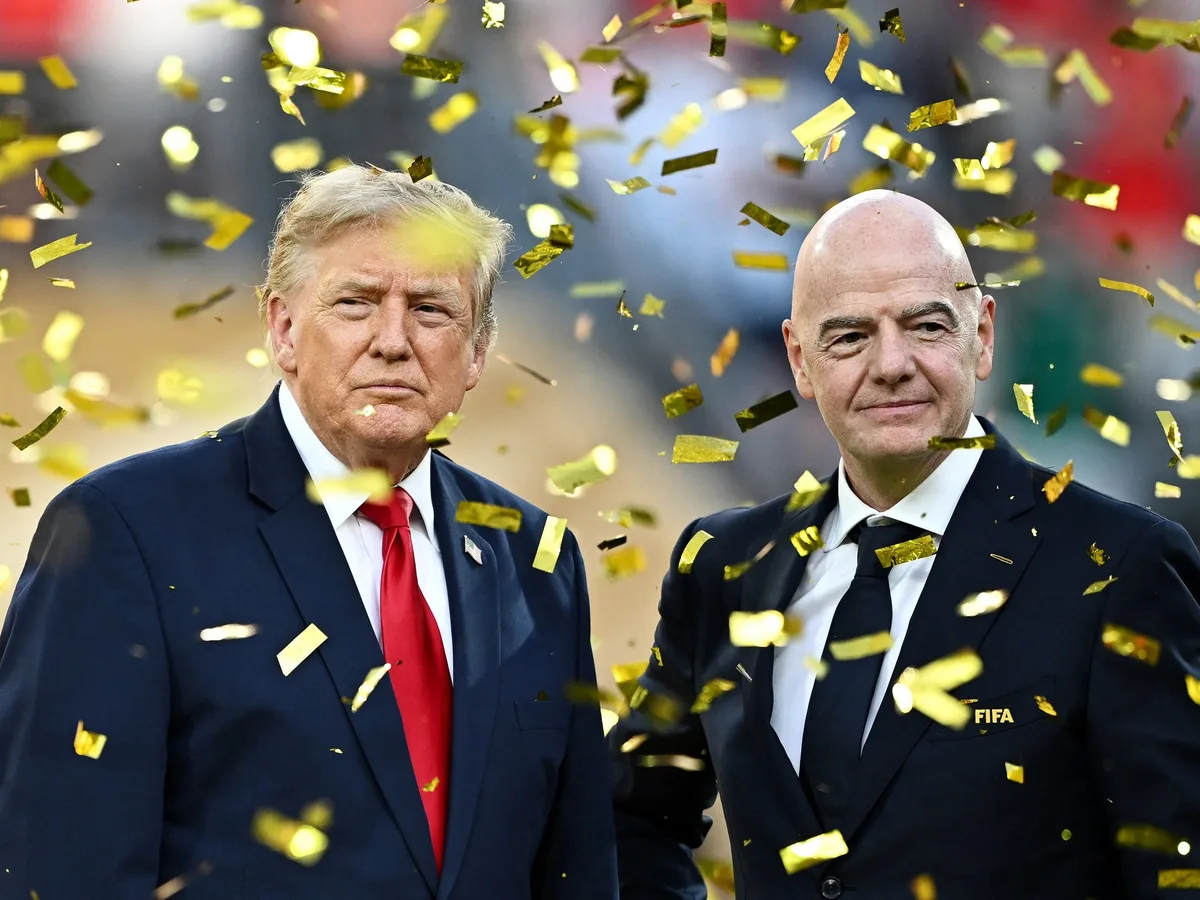
Concerns about the expansion include potential dilution of competition, calendar congestion, increased operational complexity, and market saturation [1, 3, 4]. FIFA President Gianni Infantino has said expansion is "an issue that will be looked at and discussed in the relevant committees after this World Cup," signaling support for the move [2, 5].
The study's results, due on September 11, will guide whether the 64-team format proceeds for 2030 or undergoes adjustment. FIFA aims to balance growth with sustainability and tournament quality in the evaluation [1, 3, 4].