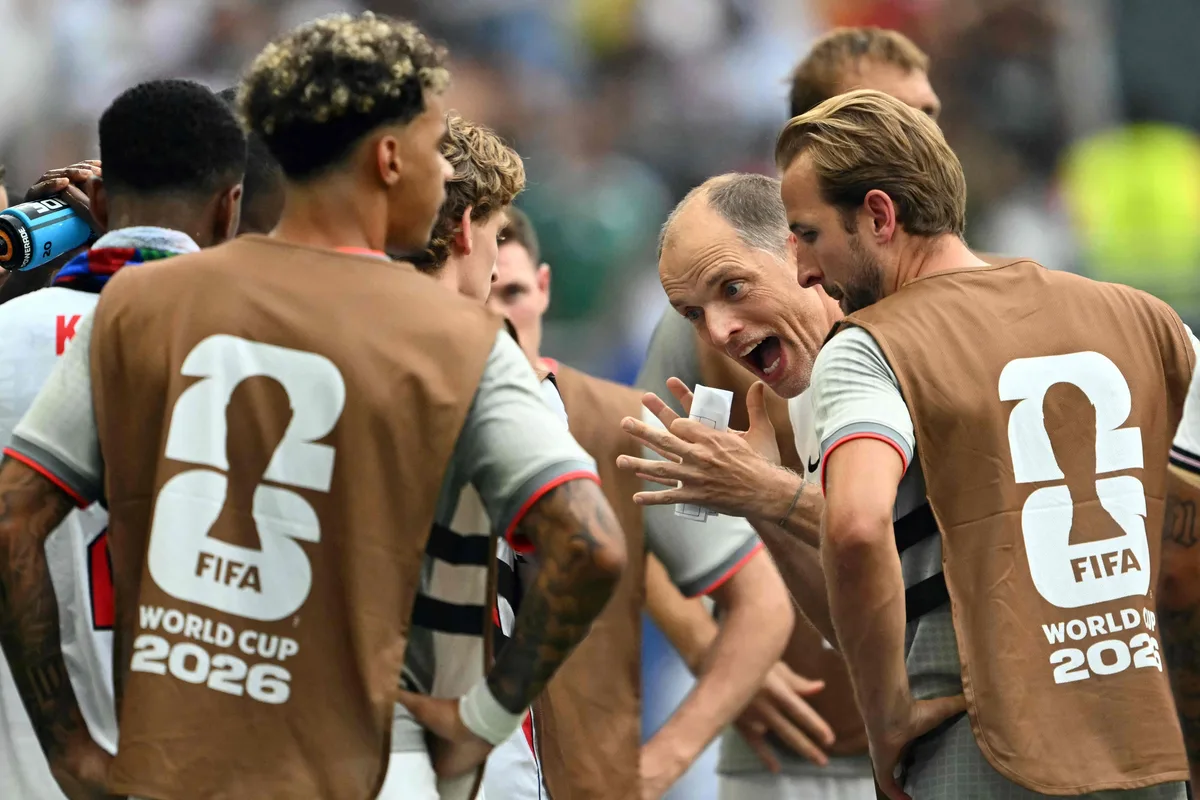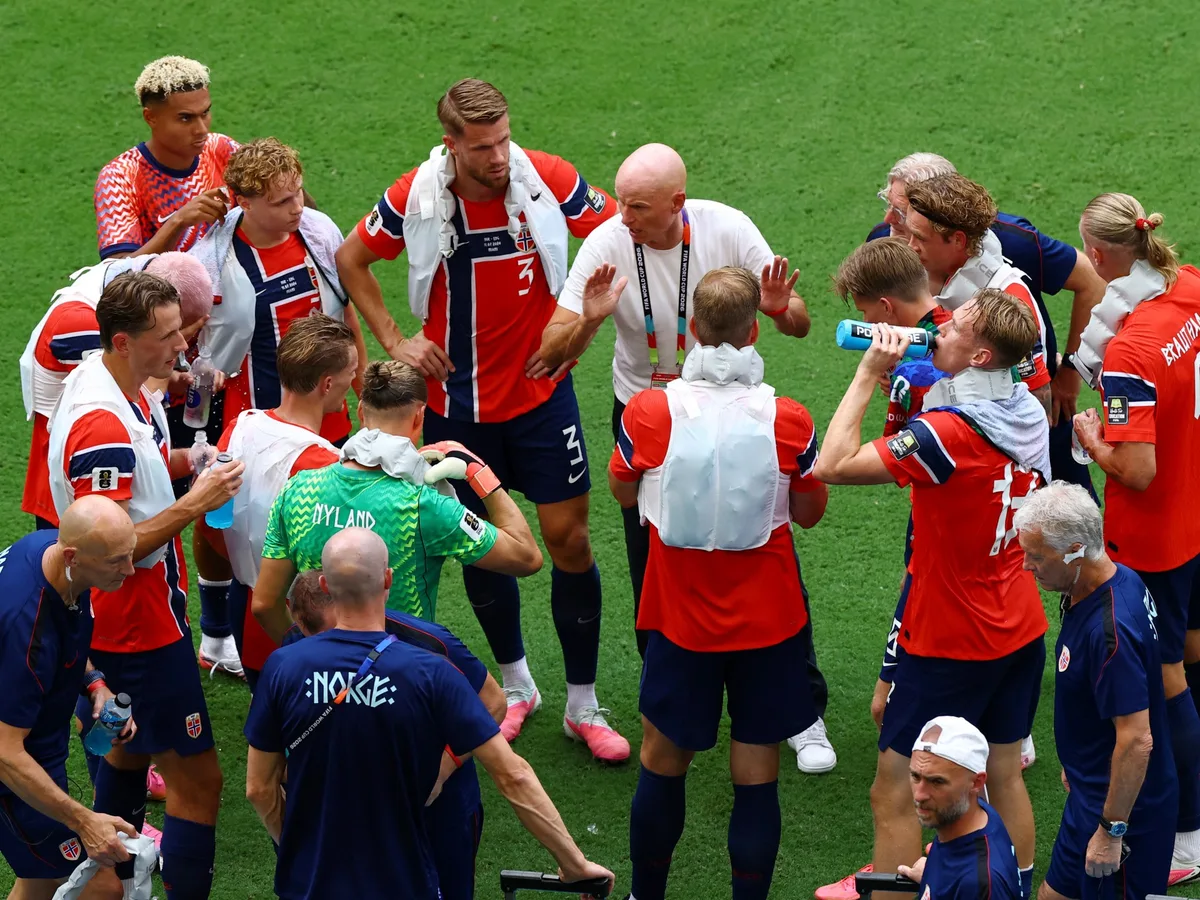
FIFA implemented mandatory three-minute hydration breaks midway through each half at every match during the 2026 World Cup held across the US, Mexico, and Canada, regardless of weather or stadium conditions [1, 2, 3, 4, 5, 6]. The breaks aimed to improve player welfare by preventing heat-related issues during play [1, 2, 3, 4, 5, 6].
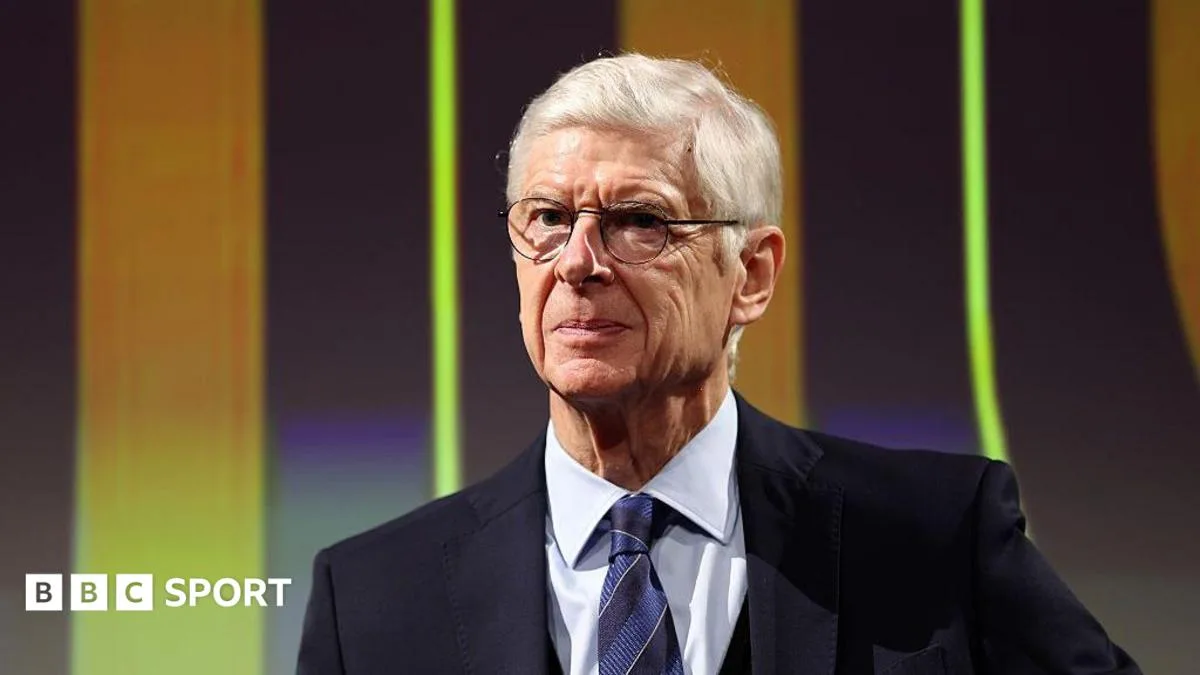
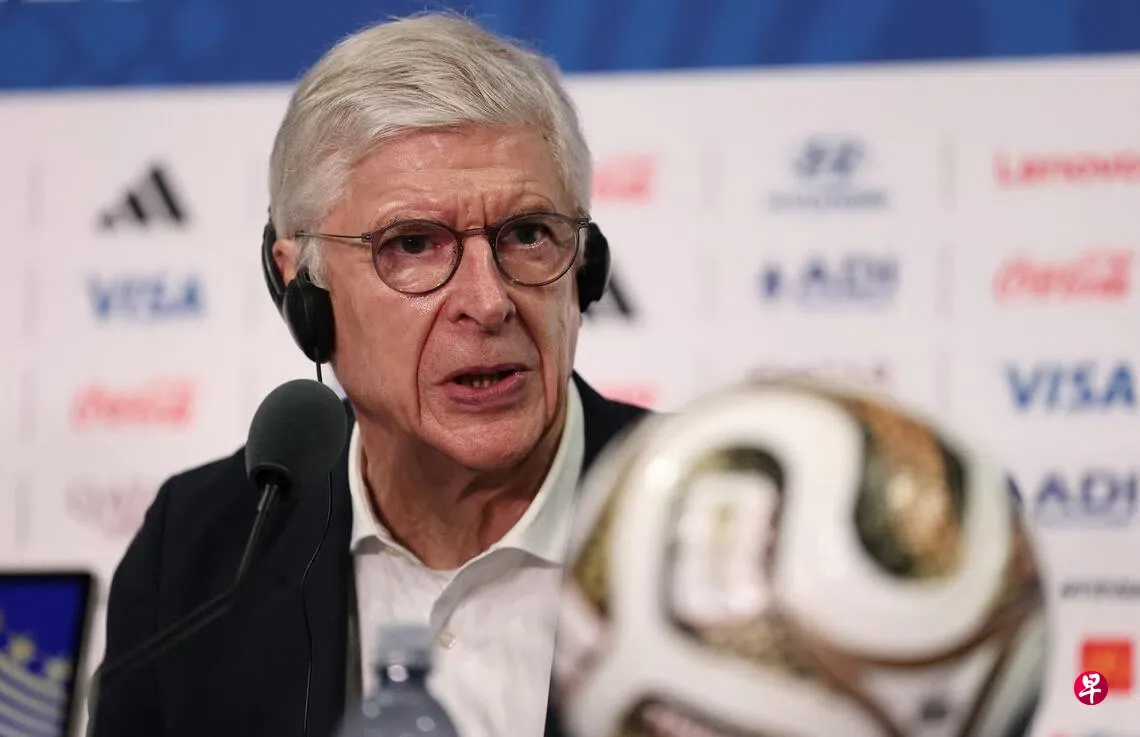
Arsene Wenger, FIFA's head of global football development and a former Arsenal coach, acknowledged mixed reactions from fans and stakeholders. Speaking on July 18, Wenger said, "Sometimes people didn’t like it and we have to analyse after the World Cup what the impact was. It didn’t look to me that it changed the results but we are here to serve people that watch football and we will come to conclusions afterwards" [1]. He added that medically the breaks were needed in many games and promised a review following the tournament [3].
Coaches expressed varying views. Spain coach Luis de la Fuente supported the pauses, stating, "I am always interested in the health of my players. I think it's the right measure - a pause, freshen up and continue" [1]. England manager Thomas Tuchel criticized the breaks for disrupting match flow, saying, "They interrupt and change the identity of a football match" [1]. Former Uruguay coach Marcelo Bielsa strongly opposed them, arguing they harm football's culture [3]. Wenger noted many fans, particularly those in covered stadiums, were unhappy despite the breaks having little impact on match flow or results [1, 2, 3, 4].
Before 2026, hydration breaks were allowed only at referees’ discretion under hot conditions and lasted about 90 seconds. The World Cup’s fixed three-minute breaks doubled this duration and were enforced regardless of external conditions [2, 5, 6]. Some matches were played indoors or under roofs where the breaks were less well received [3, 6].
The stoppages generated substantial advertising revenue, with 30-second ad slots on US Fox Sports during hydration breaks estimated to cost between $200,000 and $750,000 [1, 6]. FIFA also introduced a new rule requiring players who request medical assistance to leave the pitch for one minute, which helped reduce medical interventions from an average of 2.3 per match in 2022 to 1.6 in 2026 [2, 5].
Alongside the changes to breaks, FIFA expanded the World Cup from 32 to 48 teams. Wenger called this expansion "an ethical success" that gave more nations a chance to compete [1, 4]. He said, "It was questioned before it started but we found it was ethically needed to give a chance to more teams. I am convinced it was the right decision and it was a great success" [4].
On July 19, just before the World Cup final, FIFA held a briefing where Wenger reiterated that a full analysis of the hydration breaks’ impact would take place post-tournament [2, 4]. The review will determine whether these breaks remain mandatory in future competitions.