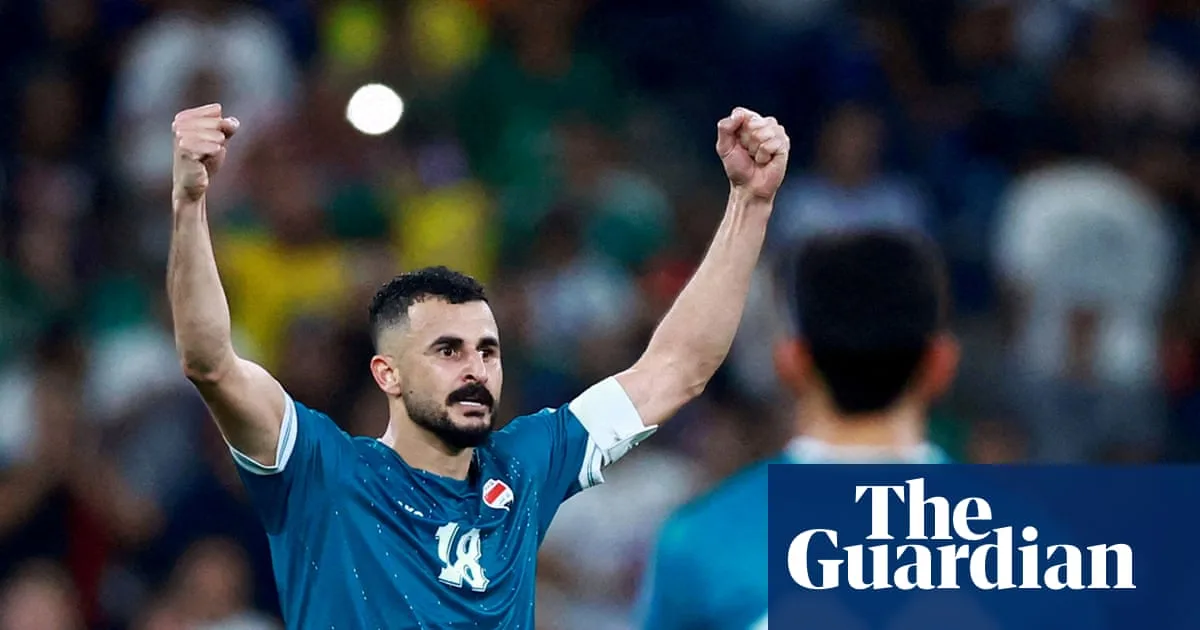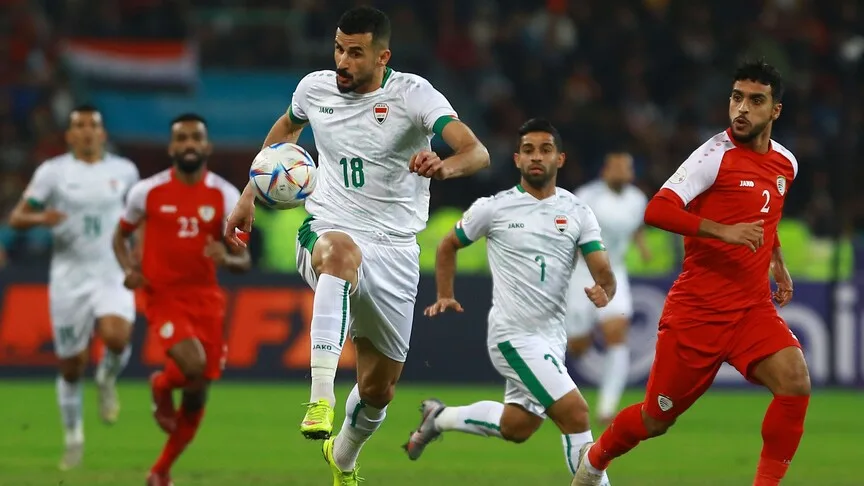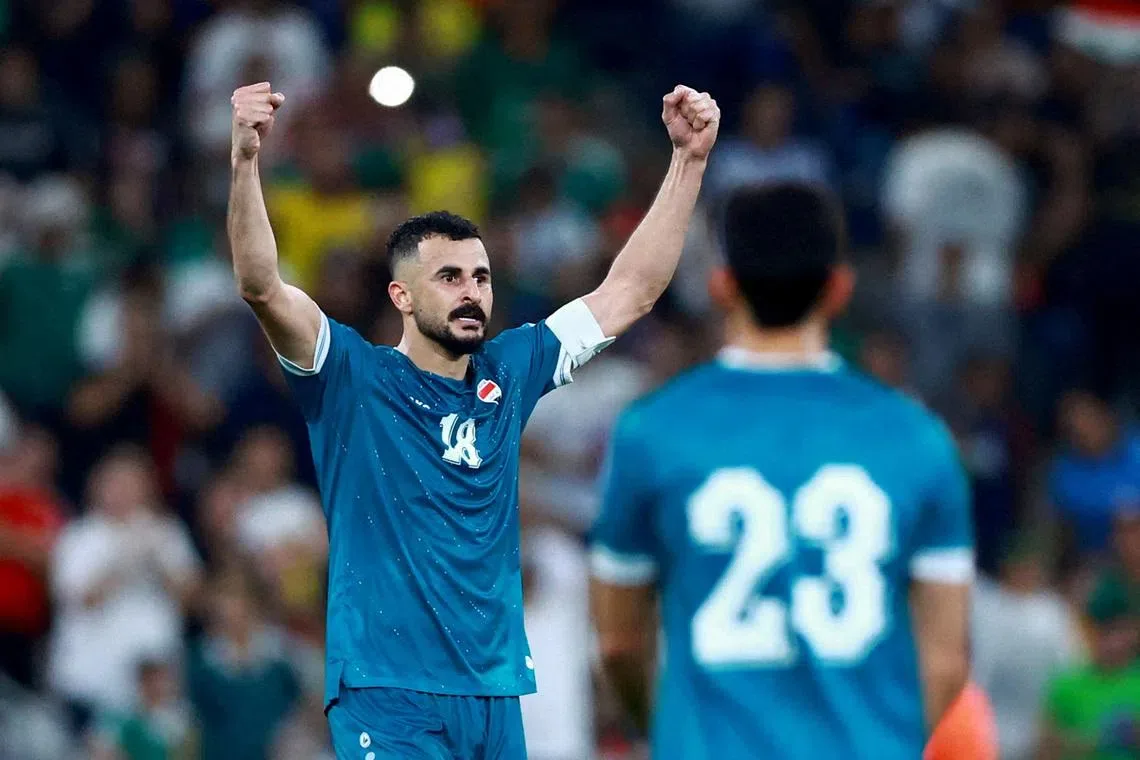
Iraq’s key striker Aymen Hussein was held and questioned for nearly seven hours at Chicago's O'Hare airport early on June 6, 2026, upon arrival with the national team for the FIFA World Cup [1, 2, 3, 4, 5]. The 30-year-old forward, who scored the goal that qualified Iraq for the tournament, was eventually released and allowed entry into the United States, rejoining his squad [1, 2, 3, 4, 5].
Fans greeted the Iraqi team at the airport, waving flags and asking for pictures as they arrived ahead of the tournament co-hosted by the US, Canada, and Mexico starting June 11 [1, 2, 3, 4]. Iraq is returning to the World Cup for the first time since their debut 40 years ago [1, 2, 3, 4]. The team will face France, Senegal, and Norway in Group I [1, 2, 3, 4].
While Hussein was eventually admitted, the national team photographer Talal Salah endured more than 10 hours of questioning, including phone checks. An Iraqi sporting official said Salah was denied entry and remained detained at the airport [1]. Salah’s refusal contrasts with Hussein’s release, highlighting uneven outcomes at the border [1, 2, 3, 4]. Neither the Iraqi Football Association nor Hussein commented publicly on the questioning incident [1, 2, 3, 4]. U.S. Immigration and Customs Enforcement and the Homeland Security Department did not respond to requests for comment [1, 2, 3, 4].
In a related diplomatic tension, the Iran Football Federation accused the U.S. of "vindictive behaviour" after visa refusals for multiple Iranian World Cup officials forced Iran to move its training camp from Arizona to Tijuana, Mexico [4].
Iraq is scheduled to play its final World Cup friendly match against Venezuela on June 9 before the group stage begins [5]. The team’s arrival in Chicago marks a critical step as they prepare to compete on the world stage following decades of absence.