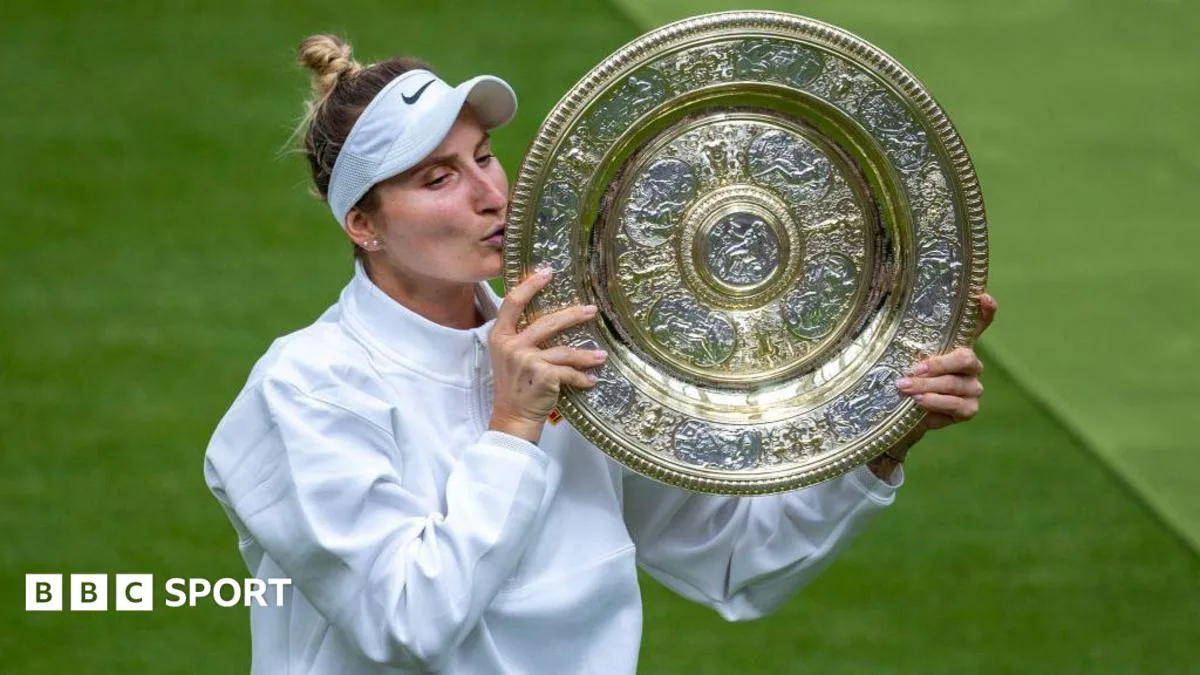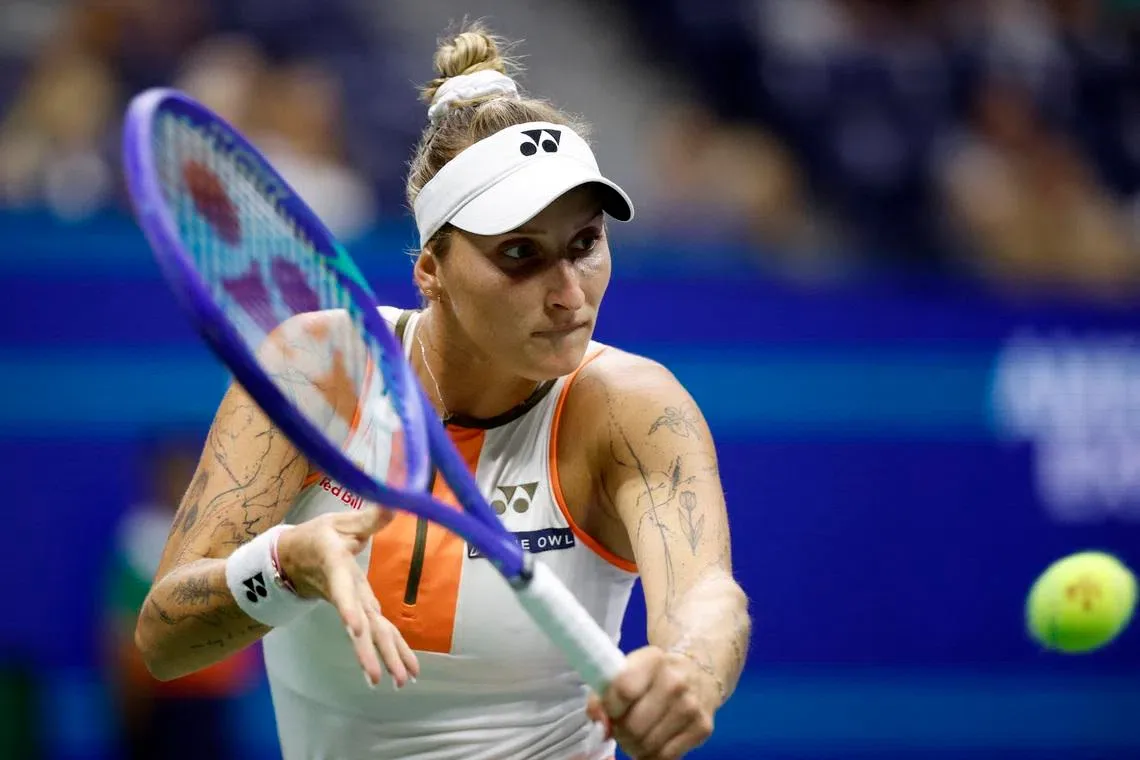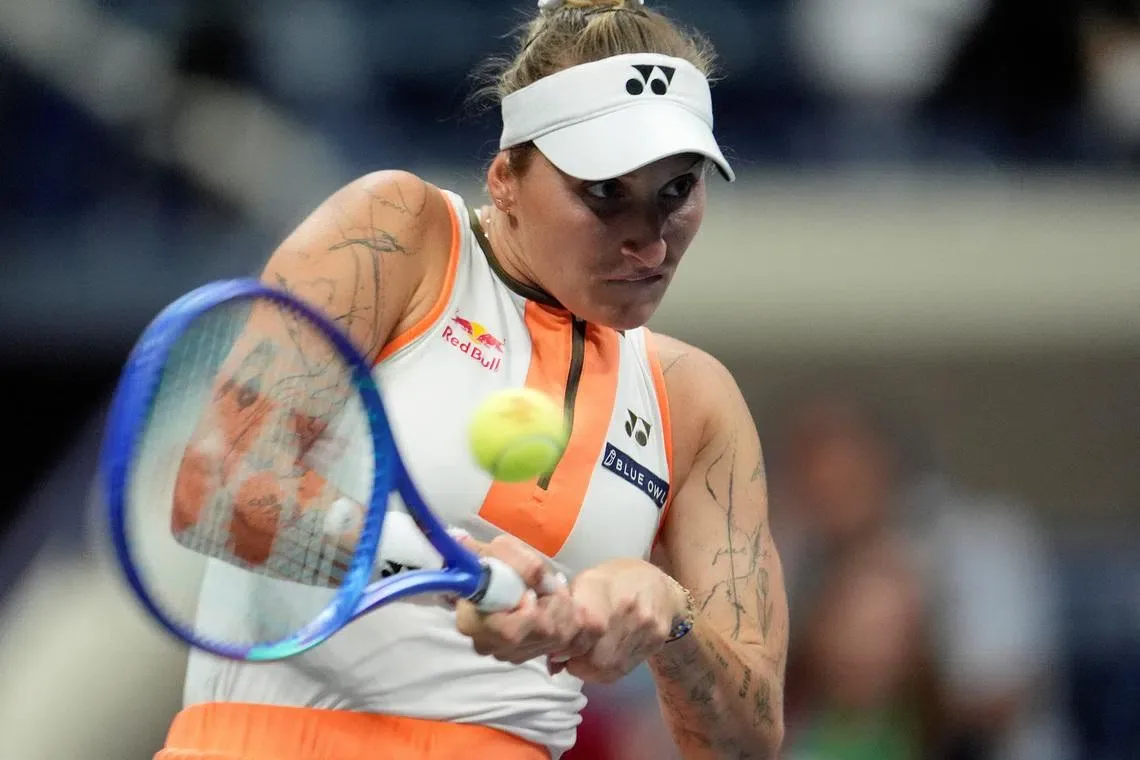
Marketa Vondrousova, the 26-year-old former Wimbledon women's singles champion, was banned for four years on June 22, 2026, after refusing to provide a sample during an out-of-competition doping test in December 2025 [1, 2, 3, 4]. The test was conducted around 8 p.m. on December 3, 2025, when a doping control officer visited Vondrousova’s home. She declined to give a sample, prompting the investigation and consequent ban [1, 3, 5].
An independent tribunal found "no compelling justification" for her refusal [1, 2, 3]. Vondrousova explained during the hearing and on social media that stress, poor mental health, and fears for her safety influenced her decision to refuse the test [2, 3, 4]. She cited safety concerns over an unidentified inspector arriving late at night without proper identification or protocol [1, 6, 3]. She referenced a prior attack on another Czech player as part of her concerns [6, 3].
Vondrousova said, "I have never doped, I have never had a positive test. Throughout my entire career I have undergone countless anti-doping controls and have always stepped on to the court with a clear conscience" [3]. She has not competed since withdrawing from the Adelaide International in January 2026, citing a shoulder injury [2, 5].
The ban, effective through June 21, 2030, prevents Vondrousova from playing, coaching, or attending any events sanctioned by the ITF, WTA, ATP, Grand Slams, or national associations [1, 3, 7]. She has the right to appeal to the Court of Arbitration for Sport [1, 3].
Karen Moorhouse, CEO of the International Tennis Integrity Agency, said, "We understand that the testing process is uncomfortable, and acknowledge that it is an additional burden for players whose jobs already come with a high level of pressure and scrutiny, but it is essential to protect fair competition" [4].
The Professional Tennis Players Association called for greater player input in anti-doping rules, citing safety and privacy concerns during late-night out-of-competition tests. It said, "Without weighing in on guilt or innocence: a four-year ban for a player who has never tested positive, and who said she feared for her safety when an unidentified person came to her door late at night, should give this sport pause. We defend testing. But players deserve a real voice in the rules that govern them" [6].
Australian player Ajla Tomljanovic criticized the ban. She called it "a disgrace," saying, "the treatment isn’t equal" and described the ITIA as "so cocky" and "almost out to get you even if you are doing nothing wrong" [8].
The next scheduled development will be Vondrousova’s potential appeal to the Court of Arbitration for Sport, which could affect the duration or terms of the suspension [1, 3].